
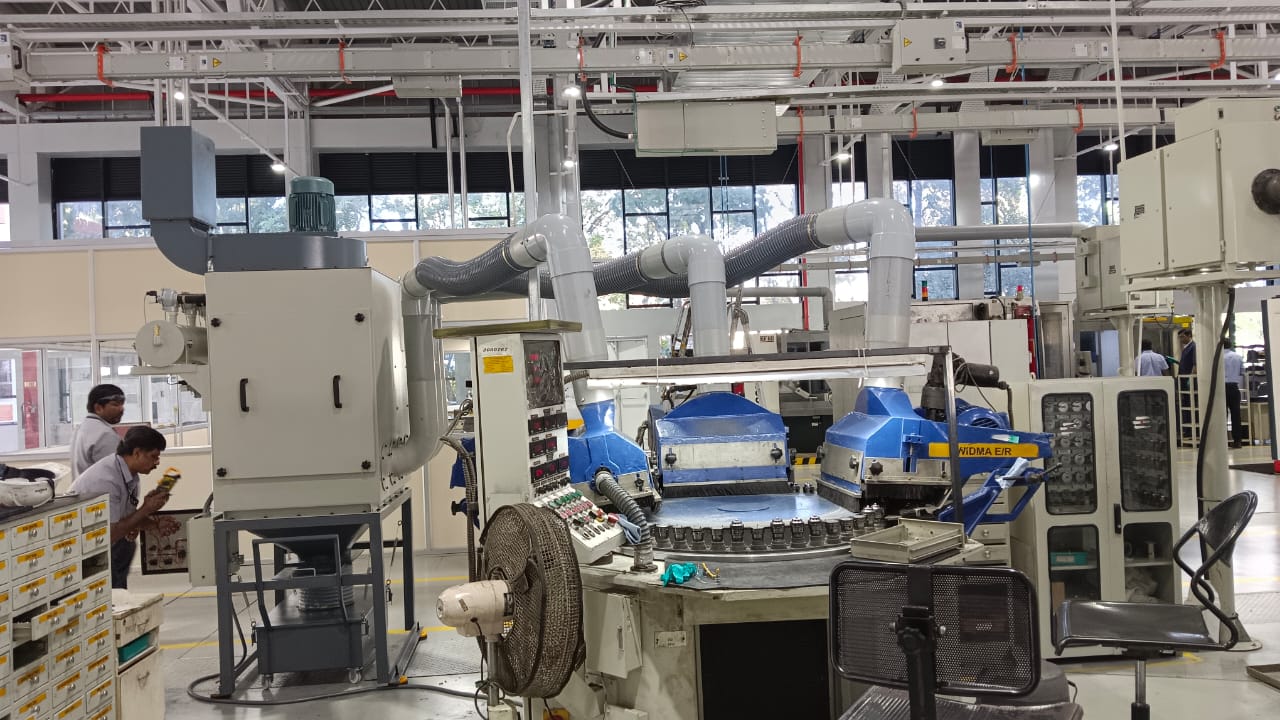
Planning for Clean Air in Industrial Workspaces
An efficient fume extraction system is critical in industries where the different processes release harmful airborne pollutants. For such areas, a well-planned fume control system and layout ensures cleaner air and also improves safety, reduces health risks and keeps equipment in a better condition. However, creating such a well planned system requires meticulous planning based on the workflow, equipment and type of pollutants.
Assessment of the Site and Operation
The first step is to understand the layout of the facility and identify the points where fumes are generated. A detailed walkthrough of the workspace can help to list out areas where fumes, smoke, mist, or dust are generated. Identify high-risk zones like welding bays, soldering stations, CNC machines, and chemical mixing areas. Knowing the exact locations of pollutant sources helps determine where extraction systems should be placed.
Choose the Right Type of Extraction System
The choice of system depends on the type and volume of fumes you need to remove. Common options include:
- Local Exhaust Systems
- These systems capture fumes right at the source using hoods or arms. They are best for targeted processes like soldering, welding, or grinding.
- Centralized / Semi-Centralized Ducted Systems
- These use ductwork to connect multiple workstations to a central filtration unit. Ideal for large facilities where multiple operations run simultaneously.
- Portable Units
- For smaller setups or mobile applications, portable fume extractors offer flexibility and ease of use.
Map the Airflow Path
Plan how the contaminated air will move through the system. The airflow should move directly from the fume source to the extraction unit without obstruction. Avoid long, winding ducts that create resistance and reduce suction power. Keep duct lengths short and use smooth bends to improve airflow efficiency.
Position the Extraction Points Properly
Place the suction hood or fume extraction arm as close as possible to the fume generation point. Ideally, the fumes should be captured before it can spread into the general breathing space and atmosphere within the shopfloor. The suction hood should be placed as close as possible to the generation point without disturbing the operation, ideally within 8 – 10 inches. This is to ensure maximum efficiency of extraction of the fumes and smoke. For example, a welding fume extractor will require that the hood be placed within 10 inches to avoid disrupting the operation but a soldering fume extractor can have the hood placed up to 6 inches from the fume generation point.
Choose the Right Filter Type
Different applications require different filters:
- Use HEPA filters for very fine dust or particles.
- Use electrostatic filters for smoke and mist from oil-based processes.
- Use carbon filters for chemical vapors or odors.
Make sure the filtration system matches the type of air pollutants your processes generate.
Ensure Proper Exhaust or Recirculation
Decide whether the filtered air should be vented outside or recirculated back into the workspace. Recirculation saves energy but should only be used when the air is thoroughly cleaned. Venting outside is recommended when dealing with chemical fumes or where regulations demand it.
Allow for Maintenance and Accessibility
Design the system so that all filters, hoods, and ducts are easy to access for cleaning and servicing. Avoid placing ducts behind heavy equipment or in tight corners. Regular maintenance ensures the system runs efficiently and avoids breakdowns.
Follow Local Safety and Air Quality Regulations
Make sure your layout meets safety codes and environmental rules. Different regions have different standards for air quality and workplace ventilation. Consulting with a qualified air quality expert or supplier ensures compliance from the start.
Conclusion
Designing a layout for a fume extractor is not just about placing machines and ducts. It requires a clear understanding of where pollutants are generated, how air moves through the space, and how to capture it effectively. A well-designed layout protects your workers, keeps your processes clean, and helps your business stay compliant with health and safety standards. Planning your layout right from the beginning will lead to long-term savings and a healthier work environment.