
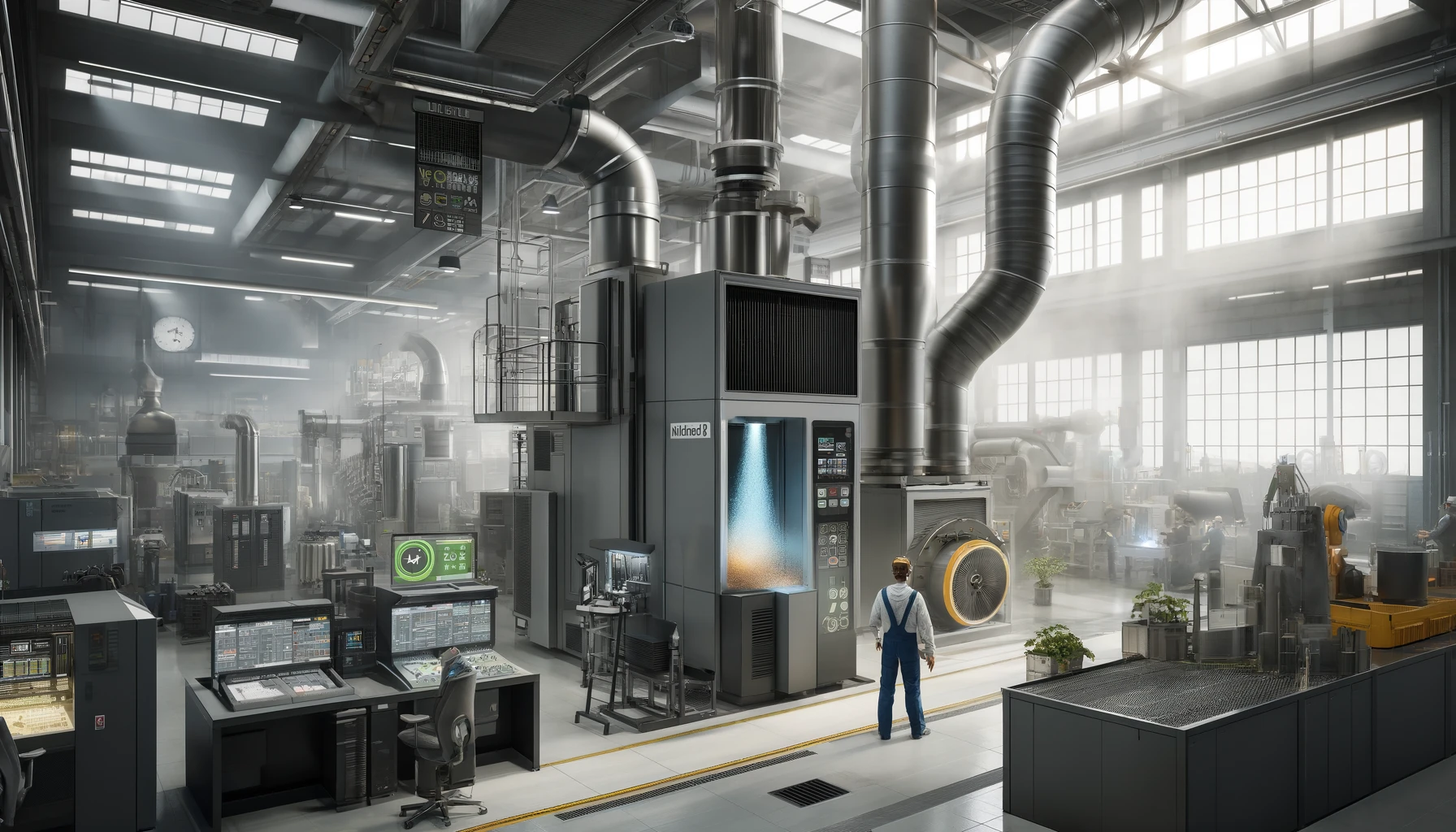
Understanding CPCB Guidelines
The Central Pollution Control Board (CPCB) sets air quality and emission standards for industries in India. These rules apply to facilities where processes generate dust, fumes, mist, smoke, or other airborne pollutants. Meeting CPCB norms is not only a legal requirement but also an important step toward protecting workers, equipment, and the environment.
Why CPCB Compliance Matters
Compliance with CPCB standards ensures that your facility operates within permitted emission limits. Failure to meet these limits can lead to fines, shutdown orders, or legal action. Beyond regulation, following these standards helps improve air quality, creates a healthier workplace, and builds trust with clients and stakeholders.
Steps to Ensure Compliance with Your Air Pollution Control Systems
1. Install the Right Air Filtration System
Choose a system that matches your process requirements. For example:
- Dust collector for grinding, cutting, or powder handling
- Mist collector for CNC machining and coolant use
- Fume extractor for welding, soldering, and smoke capture
Matching the system to the type of pollutant ensures effective filtration and helps meet CPCB limits.
2. Maintain Proper Airflow and Suction
CPCB compliance depends on consistent performance. Check airflow levels regularly to confirm that suction is strong enough to capture pollutants at the source. Blocked filters or leaks in ducts can reduce efficiency and cause emission levels to rise.
3. Use Approved Filters and Media
Filters play a central role in meeting emission standards. Always use filters rated for your application, such as HEPA filters for fine dust or electrostatic filters for mist and smoke. Avoid low-quality alternatives, as they may fail to meet CPCB standards.
4. Keep Records of Maintenance and Inspections
CPCB officials may request proof of maintenance and system performance. Maintain a log of filter replacements, airflow checks, and system servicing. This record shows compliance and helps identify issues before they become serious.
5. Monitor Emissions Regularly
Periodic monitoring of emissions ensures your system continues to perform within the prescribed limits. Use portable monitoring equipment or work with certified agencies to measure particulate levels in the air.
6. Train Workers on Proper Usage
Even the best air filtration system cannot perform well if not used correctly. Train operators to position suction hoods close to the source, avoid tampering with settings, and report any drop in performance.
Benefits of CPCB Compliance
- Avoid legal action, penalties, and plant shutdowns
- Create a safer workplace for employees
- Improve machine performance by reducing dust and mist buildup
- Build a reputation as a responsible manufacturer
- Contribute to sustainability and environmental protection
Conclusion
CPCB compliance is more than just a regulatory requirement. It is a way to ensure clean air, safer working conditions, and long-term operational efficiency. By choosing the right air filtration system, maintaining it regularly, monitoring emissions, and training staff, you can meet CPCB standards with confidence and keep your facility running without disruption.