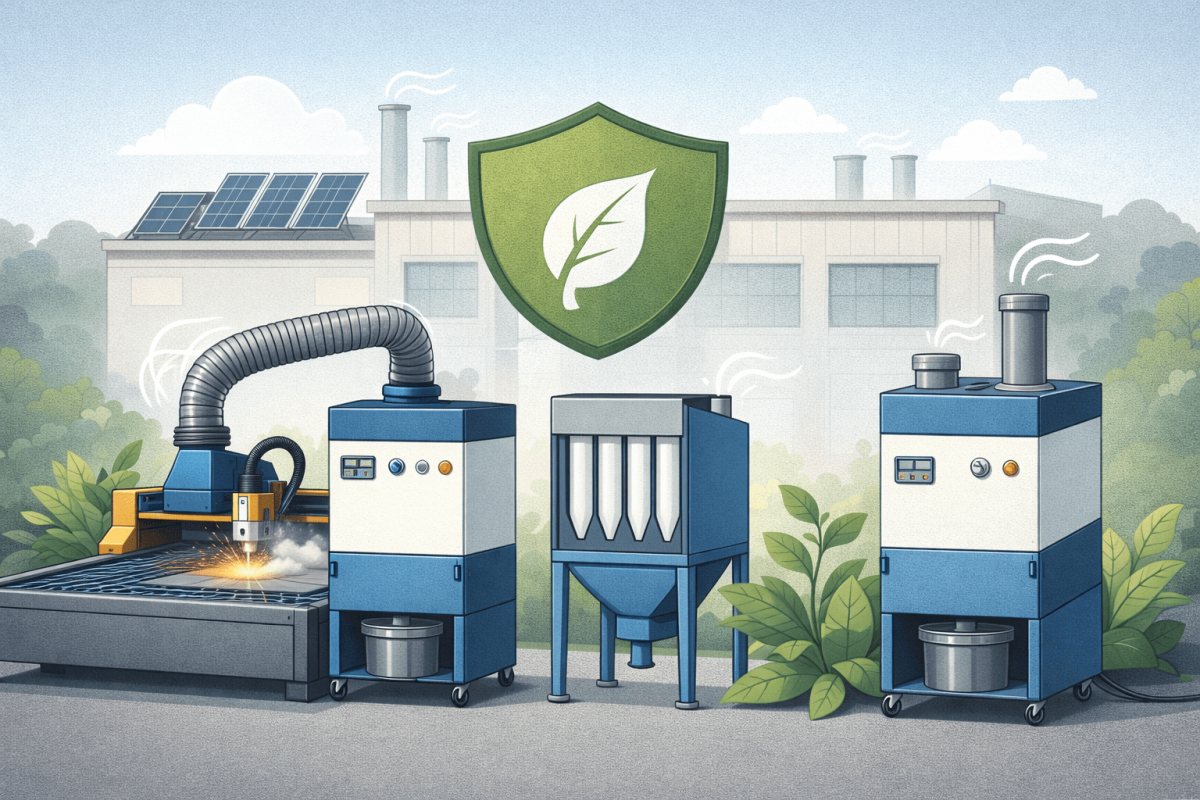
Industrial air pollution control systems operating in a factory environment to support green manufacturing practices.

Green Manufacturing: Role of Air Pollution Control Systems

Why Air Quality Matters in Green Manufacturing

Green manufacturing focuses on reducing environmental impact while maintaining efficient production. It covers energy use, waste reduction, and safe working conditions. One critical but often overlooked part of this approach is air pollution control.

Industrial processes release fumes, dust, and mist that affect both the environment and worker health. Controlling these pollutants supports sustainability goals and ensures long-term operational stability.

What Is Green Manufacturing?

Green manufacturing means producing goods with minimal harm to people and the environment. It involves:

  • Lower emissions
  • Efficient resource use
  • Safer workplaces
  • Compliance with environmental norms

Air pollution control systems play a direct role in achieving these goals.

How Air Pollution Control Supports Sustainability

1. Reduction of Airborne Emissions

Fume extractors, dust collectors, and mist collectors remove pollutants before they enter the atmosphere. This reduces overall emission levels inside and outside the facility.

2. Cleaner Indoor Work Environment

Green manufacturing prioritizes worker health. Clean air improves comfort, reduces health risks, and increases productivity.

3. Energy-Efficient Operation

Modern air pollution control systems use optimized airflow and efficient motors. Electrostatic filtration systems reduce pressure drop and save energy over time.

4. Reduced Waste Generation

Reusable filtration components lower filter disposal and support waste reduction goals.

Key Air Pollution Control Systems Used in Green Manufacturing

Fume Extractors

Used in welding, soldering, and metal cutting. These systems capture fumes at the source and prevent spread.

Dust Collectors

Used in grinding, mixing, food processing, and powder handling. They control fine dust and maintain hygiene.

Mist Collectors

Used in CNC machining and coolant-based operations. They remove oil mist and keep air clean.

Powertech Pollution Controls, a trusted fume extractor manufacturer in Bangalore, designs systems that support long-term sustainability goals.

Compliance and Environmental Responsibility

Green manufacturing requires compliance with CPCB air quality norms and workplace safety standards. Air pollution control systems help industries meet these requirements consistently.

Facilities that invest in proper extraction systems face fewer compliance issues and avoid penalties.

Q&A: Air Pollution Control and Green Manufacturing

Q1: How do air pollution control systems support green manufacturing?
They reduce emissions, protect workers, and support efficient energy use.

Q2: Do air pollution control systems increase operational costs?
No. Efficient systems reduce downtime, energy waste, and health-related losses.

Q3: Can air filtration systems help meet sustainability goals?
Yes. They directly support emission reduction and safer work environments.

Q4: Who provides sustainable air pollution control solutions in India?
An experienced fume extractor manufacturer in Bangalore can design systems aligned with green manufacturing needs.

Conclusion

Green manufacturing depends on clean air as much as efficient production. Air pollution control systems reduce emissions, improve worker health, and support compliance with environmental standards.

By integrating fume extraction, dust collection, and mist control into daily operations, industries move closer to sustainable and responsible manufacturing practices.
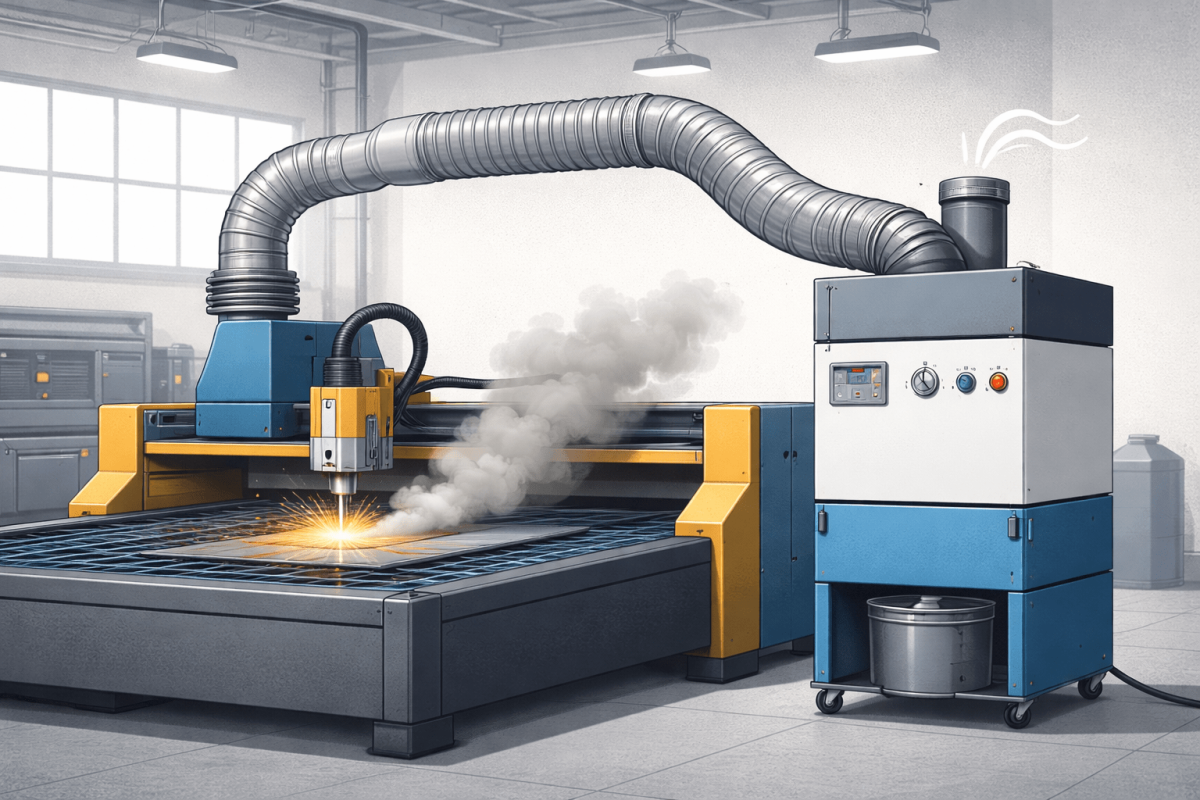
Smoke extraction system capturing metal cutting fumes from a CNC cutting machine inside an industrial workshop.

The Science Behind Smoke Extraction in Metal Cutting Processes

Why Smoke Control Is Critical in Metal Cutting

Metal cutting processes such as plasma cutting, laser cutting, oxy-fuel cutting, and abrasive cutting release smoke and fine particles into the air. This smoke contains metal fumes, fine dust, and heat-generated byproducts that affect air quality and worker safety.

Without proper extraction, smoke spreads quickly across the shop floor. It reduces visibility, causes breathing issues, and leads to non-compliance with air quality standards. Understanding how smoke behaves helps industries choose the right extraction system.

What Is Smoke in Metal Cutting?

How Smoke Is Formed

When metal heats beyond its melting point, it releases vapors. These vapors cool and turn into fine solid particles. At the same time, cutting gases and surface coatings add to the smoke load.

What Smoke Contains

  • Fine metal particles
  • Oxides formed due to heat
  • Coating residues
  • Combustion byproducts

These particles remain airborne for long periods if not captured at the source.

How Smoke Moves Inside a Workshop

Thermal Lift

Hot smoke rises rapidly due to heat. This makes overhead capture difficult if suction is weak or poorly placed.

Airflow Influence

Fans, open doors, and ventilation systems change smoke movement. Poor airflow planning allows smoke to drift across workstations.

Particle Size

Metal cutting smoke consists of very fine particles. These particles stay suspended longer than heavier dust and require strong suction for capture.

The Role of Smoke Extraction Systems

Source Capture

Smoke extraction systems work best when they capture pollutants as close as possible to the cutting zone. This prevents smoke from spreading.

Suction and Airflow Balance

Strong suction pulls smoke into the hood. Stable airflow ensures the system can handle the full smoke volume without loss.

Filtration

Electrostatic and fine filtration stages trap metal particles and return clean air back into the workspace.

Systems designed by a reliable fume extractor manufacturer in Bangalore focus on balancing these three factors.

Common Smoke Extraction Methods for Metal Cutting

Downdraft Tables

Used in laser and plasma cutting. Smoke gets pulled downward through the cutting table.

Local Exhaust Arms

Flexible arms capture smoke directly above the cutting area.

Enclosures with Extraction

Partial or full enclosures contain smoke and improve capture efficiency.

Q&A: Smoke Extraction in Metal Cutting

Q1: Why is metal cutting smoke harder to control than dust?
Because smoke particles are finer and stay airborne longer.

Q2: Does ventilation alone remove cutting smoke?
No. Ventilation only dilutes smoke. Extraction removes it at the source.

Q3: What type of extractor works best for metal cutting smoke?
Systems with strong suction and fine filtration perform best.

Q4: Who can design effective smoke extraction systems in India?
An experienced fume extractor manufacturer in Bangalore can design systems based on cutting method, layout, and smoke load.

Conclusion

Smoke from metal cutting processes spreads fast and contains fine particles that pose serious health risks. Effective smoke extraction depends on understanding how smoke forms, moves, and behaves inside the workspace.

With proper source capture, balanced airflow, and efficient filtration, industries can maintain clean air, improve visibility, and protect workers. Choosing the right extraction system ensures both safety and compliance.

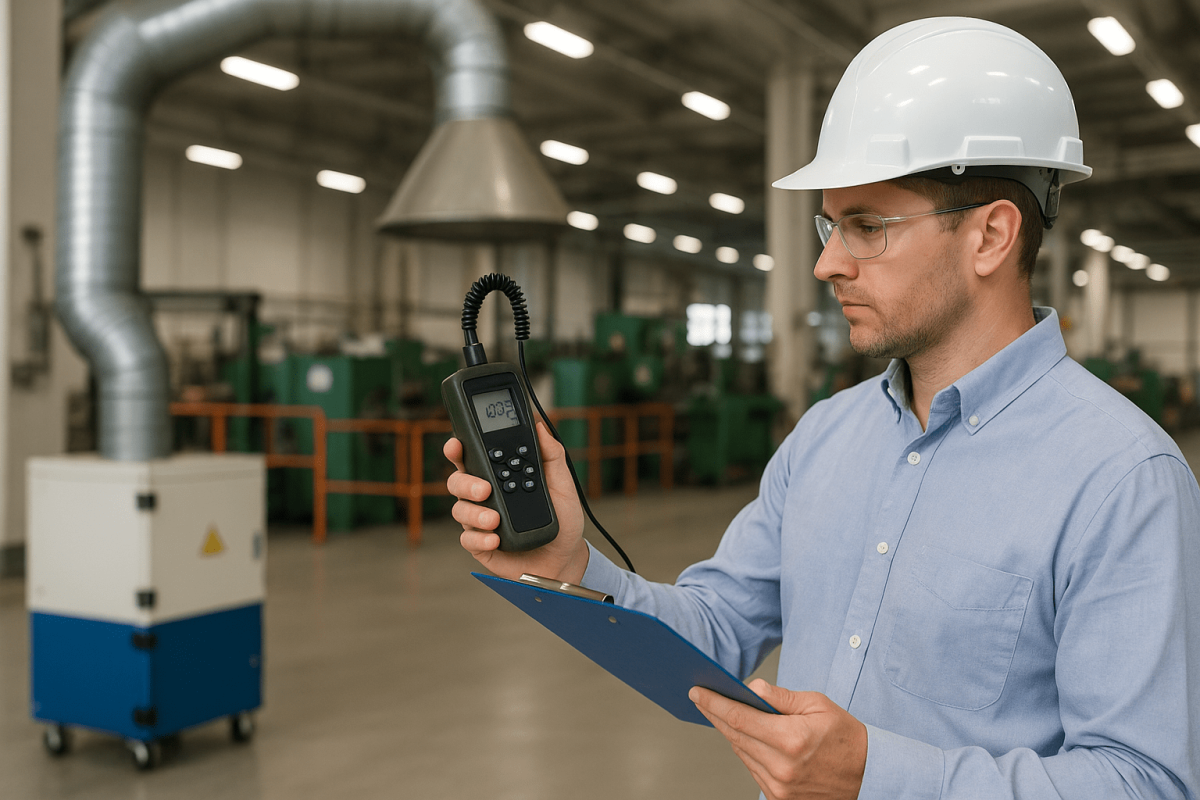
Worker checking air quality with a handheld meter inside an industrial facility.

How to Conduct an Air Quality Audit in Your Facility

Why Air Quality Audits Matter

An air quality audit helps you understand the level of fumes, dust, and mist inside your facility. It also shows whether your current fume extractor, mist collector or dust collector is performing well. Regular audits help protect workers, avoid compliance problems, and keep the workspace clean.

Industries that handle welding, soldering, machining, grinding, or powder processing benefit the most from routine air quality checks.

1. Identify All Sources of Air Pollution

What to Check

  • Welding bays
  • Soldering lines
  • CNC machining areas
  • Grinding benches
  • Mixing and powder handling zones

Each of these processes produces airborne contaminants that may require different extraction solutions.

2. Measure Ventilation and Airflow

Steps

  • Check airflow direction
  • Measure air movement at different points
  • Inspect exhaust fans, inlet vents, and ducts
  • Note areas with low or stagnant airflow

Good ventilation supports fume extraction and reduces pollutant buildup.

3. Test for Pollutant Levels

What to Measure

  • Fine dust (PM2.5 and PM10)
  • Welding fumes
  • Soldering gases
  • Oil mist from machines
  • Airborne powder from food or chemical processing

You can use handheld meters or third-party testing services to collect accurate readings.

4. Review Existing Extraction Systems

Key Points

  • Is suction strong enough at each hood?
  • Are filters or electrostatic cells clean?
  • Are extraction arms positioned correctly?
  • Are there signs of airflow drop or leaks?

Systems such as the FumeKiller® provide steady suction and are easy to maintain when cleaned regularly.

5. Compare Results with CPCB Standards

Your readings should match the indoor air safety limits set by the CPCB. If pollutant levels exceed limits, you may need changes in ventilation, extraction strength, or maintenance procedures.

6. Prepare a Corrective Action Plan

Possible Improvements

  • Move extraction arms closer to the fume source
  • Upgrade to a higher-capacity fume extractor
  • Add dust or mist collectors in specific zones
  • Increase fresh air circulation
  • Set a fixed cleaning schedule for filters

Working with an experienced fume extractor manufacturer in Bangalore ensures you choose solutions that fit your process.

Q&A: Common Questions About Air Quality Audits

Q1: How often should a facility conduct an air quality audit?
At least once a year, or more often for high-fume operations.

Q2: What causes audit failures?
Weak suction, blocked filters, incorrect hood placement, and poor ventilation.

Q3: Do extraction systems directly affect audit results?
Yes. Proper suction and airflow are essential for maintaining safe air quality.

Q4: Who can help improve extraction performance?
A reliable fume extractor manufacturer in Bangalore can inspect your layout and recommend upgrades or adjustments.

Conclusion

An air quality audit is a simple and effective way to maintain clean air, protect workers, and meet compliance standards. With accurate measurements and strong fume extraction systems, facilities can prevent air pollution from building up on the shop floor.

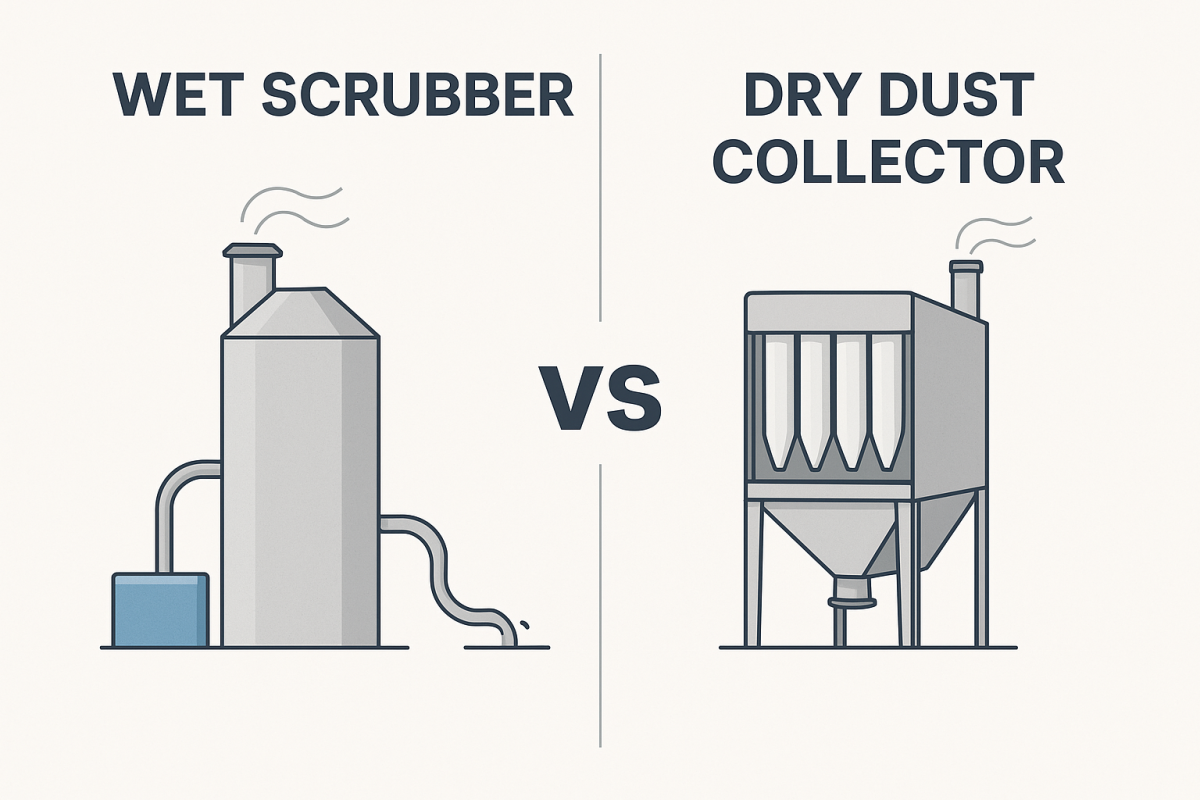
Illustration comparing a wet scrubber and a dry dust collector side by side with simple industrial equipment visuals.

Difference Between Wet Scrubbers and Dry Dust Collectors

Understanding the Two Main Types of Dust Control Systems

Industries use dust control systems to manage airborne contaminants from processes such as grinding, mixing, machining, and material handling. Two of the most common systems are wet scrubbers and dry dust collectors.
Both work well, but each serves different applications depending on the type of dust, moisture level, and safety requirements.

What Is a Wet Scrubber?

How It Works

A wet scrubber uses water or a liquid solution to capture dust particles. Air passes through a chamber where dust mixes with water droplets and settles out.

Where It Works Best

  • Sticky or moist dust
  • High-temperature gases
  • Chemical fumes
  • Explosive dust in certain conditions

Key Advantages

  • Reduces dust and gases together
  • Handles high heat
  • Controls odors

Limitations

  • Requires water handling and disposal
  • Needs corrosion-resistant materials
  • Running costs are higher due to pumps and water usage

What Is a Dry Dust Collector?

How It Works

A dry dust collector uses filters, bags, or electrostatic cells to separate dust from air. Clean air returns to the workspace while dust collects in a bin.

Where It Works Best

  • Fine, dry dust
  • Grinding, cutting, and powder handling
  • Food, pharma, metalworking, and general manufacturing

Key Advantages

  • Simple operation
  • Low running cost
  • Cleaner handling and no wastewater
  • Works well in continuous production

Limitations

  • Not suitable for sticky or wet dust
  • Filters may need regular cleaning unless electrostatic technology is used

Systems like Powertech’s DustBag provide efficient control for a wide range of industrial dust.

Wet Scrubber vs Dry Dust Collector: Key Differences

1. Method of Filtration

  • Wet scrubbers use water
  • Dry collectors use filters or electrostatic cells

2. Maintenance

  • Wet scrubbers require liquid disposal and pump maintenance
  • Dry collectors need filter cleaning or washing

3. Running Cost

  • Wet scrubbers cost more to operate due to water handling
  • Dry collectors are more cost-effective for most dry dust applications

4. Best Use Cases

  • Wet scrubbers → chemical fumes, sticky dust
  • Dry collectors → metal dust, powder, grains, spices, food ingredients

Q&A: Choosing Between Wet and Dry Systems

Q1: Which system is better for general manufacturing?
A dry dust collector is usually the better choice for fine, dry dust.

Q2: When should I use a wet scrubber?
Use it when dust is sticky, humid, or mixed with fumes.

Q3: Which system is easier to maintain?
Dry dust collectors, especially when using washable electrostatic cells.

Q4: Who provides reliable dust collectors in India?
Powertech Pollution Controls, a leading dust collector manufacturer in Bangalore, supplies systems suited for both light and heavy dust applications.

Conclusion

Wet scrubbers and dry dust collectors serve different dust control needs. Wet scrubbers work well for sticky or chemical-laden pollutants, while dry dust collectors are ideal for fine dust from metalworking, grinding, and mixing.
Choosing the right system improves air quality, supports compliance, and keeps production stable.

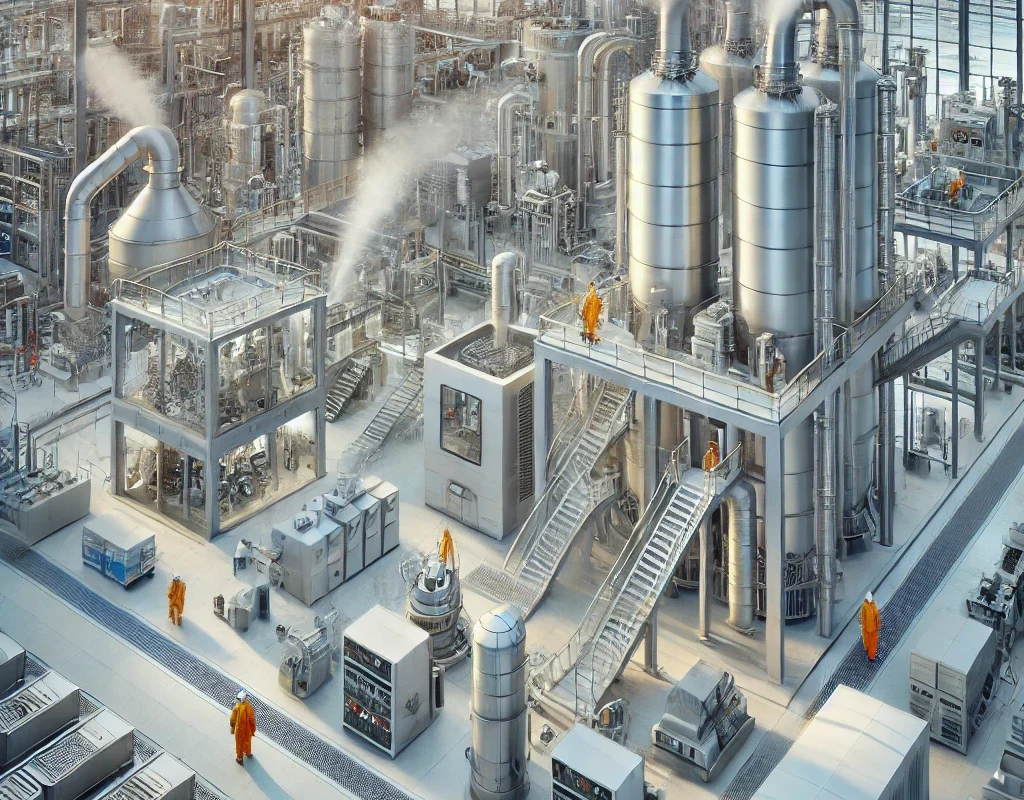
AI generated image of a plant in operation with fumes being released from some equipment.

How Poor Indoor Air Quality Affects Employee Productivity

Why Indoor Air Quality Matters at Work

Indoor air quality has a direct impact on worker comfort, health, and performance. In industrial environments, welding, soldering, machining, and grinding release fumes, dust, and mist into the workspace. If these pollutants are not controlled, they accumulate and affect employees throughout the day.

Poor indoor air quality not only increases health risks but also reduces productivity across the entire facility.

1. Increased Fatigue and Reduced Focus

When workers breathe contaminated air, the body works harder to filter out pollutants. This leads to fatigue and reduced concentration. Employees working near welding fumes, soldering smoke, or dust-heavy processes experience faster mental exhaustion.

Clean air helps workers stay alert and productive for longer periods.

2. Higher Absenteeism and Health Issues

Airborne contaminants cause headaches, irritation, allergies, breathing problems, and long-term lung issues. These health problems lead to more sick leave and reduced work output.

Facilities using proper fume extractors, dust collectors, and mist collectors see fewer health complaints among employees.

3. Poor Visibility and Slower Workflow

Welding smoke, mist from CNC machines, and airborne dust reduce visibility on the shop floor. This slows down the workflow and causes delays during assembly, inspection, and quality checks.

Clear air improves visibility and makes work faster and safer.

4. Reduced Equipment Life and More Breakdowns

Dust and fumes settle on machines, sensors, and control panels. Over time, this leads to overheating, corrosion, or malfunction. Equipment failure disrupts production and adds repair costs.

Clean air reduces equipment wear and supports uninterrupted operations.

5. Lower Morale and Job Satisfaction

Employees working in polluted areas feel discomfort and frustration. Poor air quality affects morale and reduces motivation. A clean and safe work environment improves satisfaction and retention.

Effective Solutions to Improve Indoor Air Quality

Local Exhaust Ventilation (LEV)

LEV systems capture pollutants directly at the source. Flexible arms, hoods, and extraction points ensure targeted capture.

Welding Fume Extractors

A welding fume extractor removes fumes before they spread. Powertech’s FumeKiller®, provides strong suction and efficient electrostatic filtration.

Soldering Fume Extractors

Flux fumes in electronics assembly affect breathing and comfort. A soldering fume extractor keeps the air clean around compact workstations.

Dust Collectors

Grinding and powder handling release fine dust. Powertech offers dust collectors for both light and heavy dust loads.

Mist Collectors

CNC machining generates oil mist that spreads quickly. MistKiller units function as an effective mist collector to capture this mist and help maintain safe indoor air.

Q&A: Indoor Air Quality and Productivity

Q1: How does indoor air quality affect work performance?
Poor air quality causes fatigue, poor focus, health issues, and lower output.

Q2: Can a fume extractor improve productivity?
Yes. Removing fumes improves visibility, comfort, and safety, which raises overall productivity.

Q3: What areas need extraction systems the most?
Welding bays, soldering lines, grinding stations, mixing areas, CNC machining sections, and powder handling zones.

Q4: Who provides reliable extraction systems in India?
Powertech Pollution Controls, a trusted fume extractor manufacturer in India, supplies FumeKiller, DustBag, and MistKiller systems for industrial use.

Conclusion

Poor indoor air quality affects employee productivity by reducing focus, increasing fatigue, causing health issues, and disrupting workflow. Installing high-quality fume extractors, dust collectors, and mist collectors creates a safer and more productive work environment.

As a leading fume extractor manufacturer in Bangalore, Powertech Pollution Controls helps industries maintain clean air, improve worker comfort, and meet compliance standards.