How to Design a Fume Extraction Layout for Your Facility

Planning for Clean Air in Industrial Workspaces

An efficient fume extraction system is critical in industries where the different processes release harmful airborne pollutants. For such areas, a well-planned fume control system and layout ensures cleaner air and also improves safety, reduces health risks and keeps equipment in a better condition. However, creating such a well planned system requires meticulous planning based on the workflow, equipment and type of pollutants.

Assessment of the Site and Operation

The first step is to understand the layout of the facility and identify the points where fumes are generated. A detailed walkthrough of the workspace can help to list out areas where fumes, smoke, mist, or dust are generated. Identify high-risk zones like welding bays, soldering stations, CNC machines, and chemical mixing areas. Knowing the exact locations of pollutant sources helps determine where extraction systems should be placed.

Choose the Right Type of Extraction System

The choice of system depends on the type and volume of fumes you need to remove. Common options include:

  • Local Exhaust Systems
    • These systems capture fumes right at the source using hoods or arms. They are best for targeted processes like soldering, welding, or grinding.
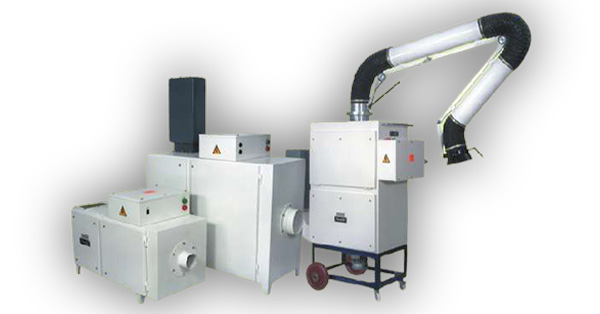
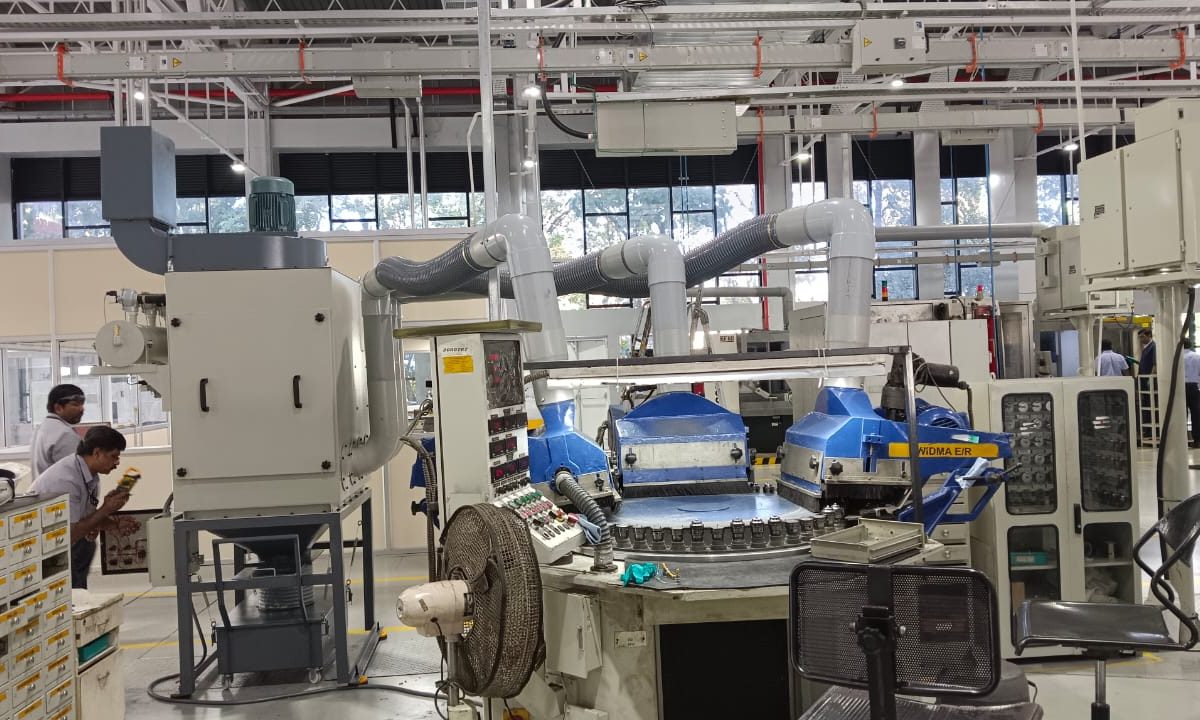
  • Centralized / Semi-Centralized Ducted Systems
    • These use ductwork to connect multiple workstations to a central filtration unit. Ideal for large facilities where multiple operations run simultaneously.
  • Portable Units
    • For smaller setups or mobile applications, portable fume extractors offer flexibility and ease of use.

Map the Airflow Path

Plan how the contaminated air will move through the system. The airflow should move directly from the fume source to the extraction unit without obstruction. Avoid long, winding ducts that create resistance and reduce suction power. Keep duct lengths short and use smooth bends to improve airflow efficiency.

Position the Extraction Points Properly

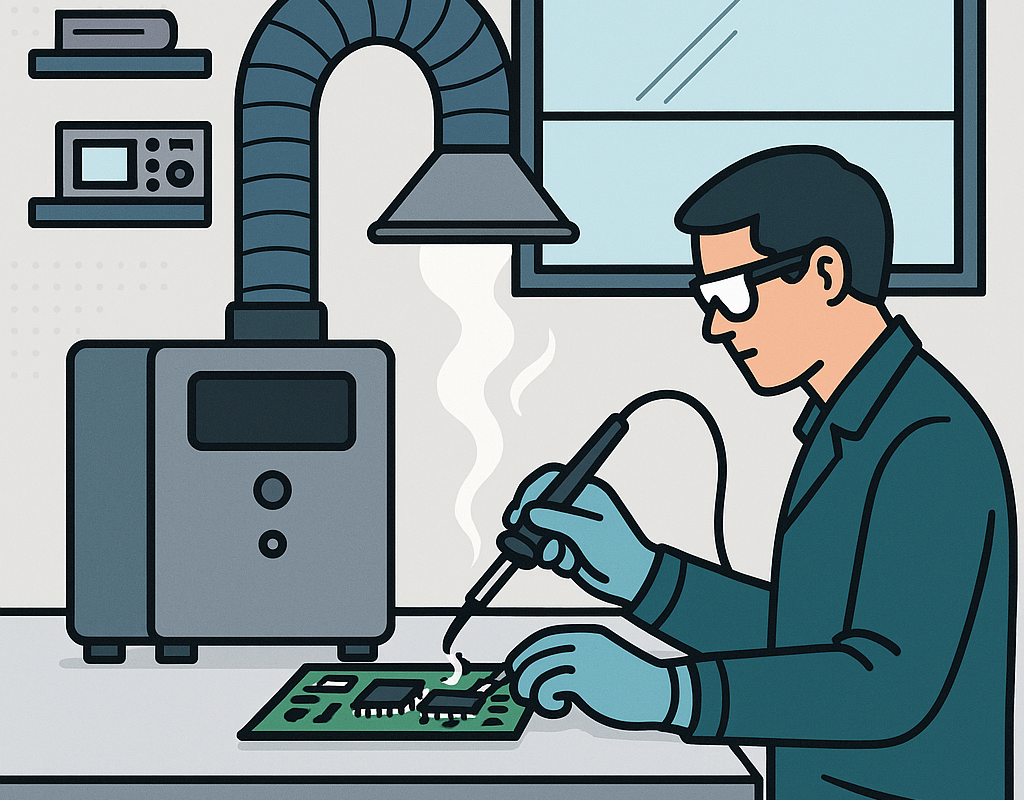
Place the suction hood or fume extraction arm as close as possible to the fume generation point. Ideally, the fumes should be captured before it can spread into the general breathing space and atmosphere within the shopfloor. The suction hood should be placed as close as possible to the generation point without disturbing the operation, ideally within 8 – 10 inches. This is to ensure maximum efficiency of extraction of the fumes and smoke. For example, a welding fume extractor will require that the hood be placed within 10 inches to avoid disrupting the operation but a soldering fume extractor can have the hood placed up to 6 inches from the fume generation point.

Choose the Right Filter Type

Different applications require different filters:

  • Use HEPA filters for very fine dust or particles.
  • Use electrostatic filters for smoke and mist from oil-based processes.
  • Use carbon filters for chemical vapors or odors.

Make sure the filtration system matches the type of air pollutants your processes generate.

Ensure Proper Exhaust or Recirculation

Decide whether the filtered air should be vented outside or recirculated back into the workspace. Recirculation saves energy but should only be used when the air is thoroughly cleaned. Venting outside is recommended when dealing with chemical fumes or where regulations demand it.

Allow for Maintenance and Accessibility

Design the system so that all filters, hoods, and ducts are easy to access for cleaning and servicing. Avoid placing ducts behind heavy equipment or in tight corners. Regular maintenance ensures the system runs efficiently and avoids breakdowns.

Follow Local Safety and Air Quality Regulations

Make sure your layout meets safety codes and environmental rules. Different regions have different standards for air quality and workplace ventilation. Consulting with a qualified air quality expert or supplier ensures compliance from the start.

Conclusion

Designing a layout for a fume extractor is not just about placing machines and ducts. It requires a clear understanding of where pollutants are generated, how air moves through the space, and how to capture it effectively. A well-designed layout protects your workers, keeps your processes clean, and helps your business stay compliant with health and safety standards. Planning your layout right from the beginning will lead to long-term savings and a healthier work environment.
Comparison of HEPA vs Electrostatic Filters in Fume Extractors

Choosing the Right Filter for Cleaner Air

Industrial processes like welding, soldering or machining all require efficient fume control
and fume extractors play an important role in maintaining safe air quality. The filters inside a
fume extractor is what traps the airborne pollutants before releasing the air into the
atmosphere or back in to the shopfloor. Generally, these systems make use of either HEPA
filters or Electrostatic filters. It is important to understand the working, advantages and
drawbacks of both type of filters to ensure that you choose the right system for your facility.

What Are HEPA Filters?

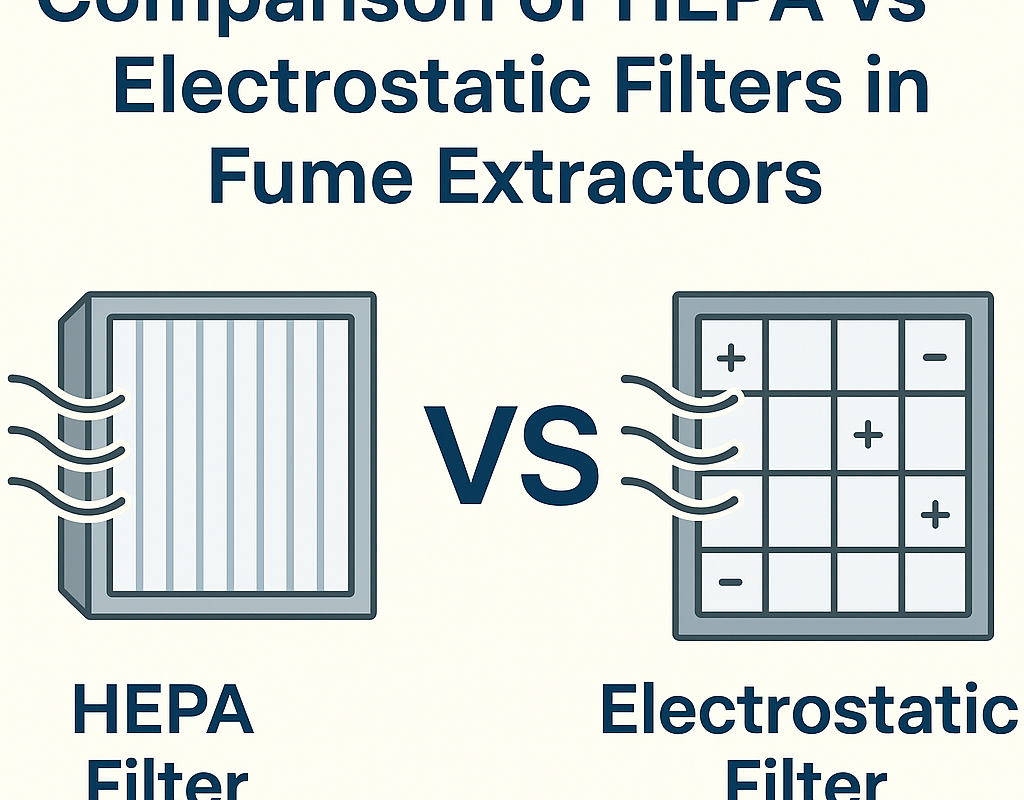
HEPA stands for High Efficiency Particulate Air. These filters are made of tightly packed fibers that trap very fine particles as air passes through. They are widely known for their ability to remove up to 99.97% of particles as small as 0.3 microns.

Strengths of HEPA Filters

  • Highly effective at capturing small particles such as smoke, dust, and fine mist.
  • Preferred in environments that demand strict air cleanliness, such as labs and electronics assembly.
  • Easy to replace and commonly available.
  • Has a comparatively lower cost for the same airflow capacity.

Limitations of HEPA Filters

  • Require regular replacement, which adds to running costs.
  • Can restrict airflow if clogged or overloaded.
  • Higher pressure drop in the airflow leads to higher power consumption.
  • Not washable or reusable.

What Are Electrostatic Filters?

Electrostatic filters use electric charges to attract and trap particles. As air flows through the unit, particles are given a charge and then captured by oppositely charged collector plates. These filters are common in welding fume extractors and soldering fume extractors. They also find use in oil mist collectors from neat cutting oil in CNC machining processes.

Strengths of Electrostatic Filters

  • Excellent for capturing oil mist, smoke, and fine fumes.
  • Can capture particles up to 0.01 microns in size.
  • Filters are washable and reusable, lowering long-term costs.
  • Maintain steady airflow since they do not clog like fiber filters.

The parallel plate design ensures lower pressure drop which leads to about 30 – 40% lower power consumption.

Limitations of Electrostatic Filters

  • Require regular cleaning to maintain performance.
  • May not trap larger particles that are typically caught in HEPA filters.
  • Not suitable for dry, fibrous dust in some settings.
  • Involves a higher initial cost for a system of the same air flow capacity.

What Type of Filter Should You Use?

The choice between HEPA and electrostatic filters depends on the type of air pollution in your facility. For very fine dry particles, HEPA filters are ideal. If your process produces oil mist, smoke, or sticky fumes, electrostatic filters offer better performance and lower maintenance.

Quick Comparison between HEPA and Electrostatic Filters

FeatureHEPA FilterElectrostatic Filter
Particle Size Handling0.3 microns and aboveFine particles up to 0.01 microns
ReusabilityNo (disposable)Yes (washable)
MaintenanceFilter replacementRegular cleaning
Best Used AsCleanroom Filters, dry dust filtersWelding fume extracotr, oil mist collector, soldering fume extractor
Cost Over TimeHigher (frequent replacement)Lower (reusable parts)

Conclusion

Both HEPA and electrostatic filters serve an important role in fume extraction systems. HEPA filters are best for high-purity environments where removing fine dust is the priority. Electrostatic filters work better in tough industrial settings with mist and smoke. Choosing the right one depends on the pollutants in your workspace and how often you can maintain the system. A well-matched filter will keep your air clean, reduce health risks, and protect your equipment.

FumeKiller® model FK3600EM as a Semi-Centralized Soldering Fume Extractor

Introduction:

Here is a look into the successful implementation of the FumeKiller® model FK3600EM as a semi-centralized soldering fume extractor. The project demonstrates the capabilities of the FumeKiller® as an advanced soldering fume extraction system.

The Challenge: Control of Fumes generated from multiple Soldering Workstations

The client, an established electronics manufacturer, was making use of 9 soldering stations for a specific operation. This led to the release of a significant volume of soldering fumes in the work area, posing serious health concerns to the employees and violating air quality standards. There was also the additional point to be addressed that not all the work stations were in operation at the same time. The solution had to be custom designed to solve the issues at hand.

The Solution: Semi-Centralized Soldering Fume Extraction System using FumeKiller® model FK3600EM.

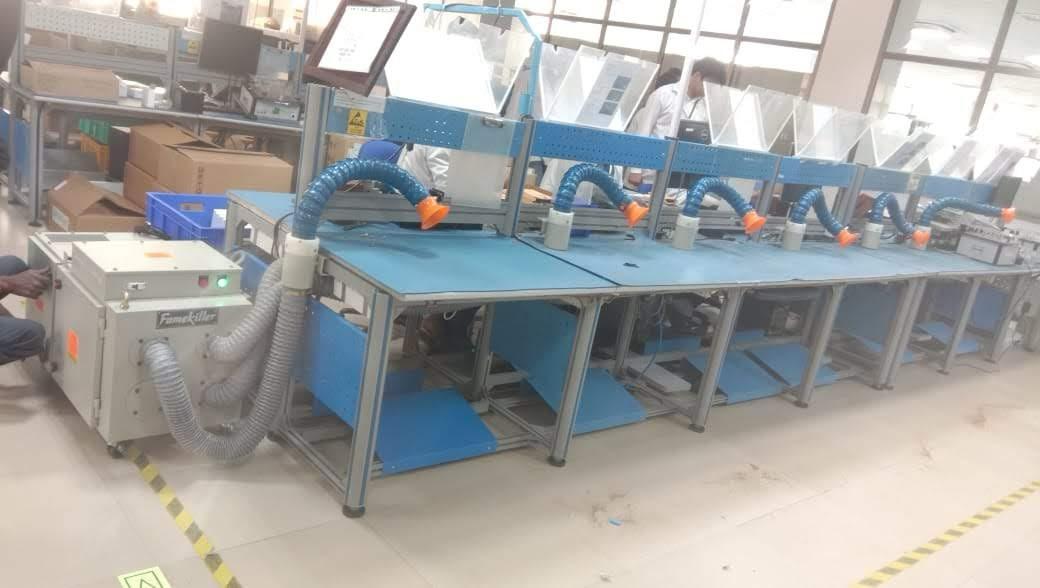
After a detailed site study, it was decided to use 3 units of the FumeKiller® model FK3600EM, with each unit being used for a set of 3 workstations, to provide a semi-centralized soldering fume extraction system to tackle the issue.

  • Customized System Design: Due to space constraints within the work area, which disallowed the use of a complete centralized system or individual soldering fume extractors for each workstation. The use of 3 separate FumeKiller® units to facilitate a semi-centralized design solved this issue.
  • Powerful Extraction Technology: The FumeKiller® system boasts cutting-edge electrostatic filtration technology, which enables it to function as an effective and efficient soldering fume extractor. This feature dramatically decreases the release of pollutants into the ambient air, improving workplace safety and air quality.
  • Semi-Centralized Control: The semi-centralized arrangement provides an additional benefit. In case of a breakdown of any one of the units, the remaining units continue to operate so that there is at least partial fume control and no significant deterioration of air quality.

Results and Impact: Implementation of the FumeKiller® as a soldering fume extractor provided excellent results including:

  • Improved Air Quality: Harmful soldering vapours were properly caught and filtered, resulting in a safer and healthier working environment for its staff.
  • Regulatory Compliance: Our solution enabled the customer to comply with stringent air quality rules, avoiding potential legal issues.
  • Improvement in Production Efficiency: The improved air quality played a direct role in improving production efficiency.

Conclusion:

The success of the project clearly demonstrates the efficacy and efficiency of the solution designed by Powertech Pollution Controls. By addressing the client’s soldering fume issues with a semi-centralized fume extraction system, noticeable improvements were observed in air quality, worker safety and subsequently environmental responsibility. In case of any requirements for fume control or any other type of air pollution control systems, get in touch with us today.

Importance of Soldering Fume Extractors in Electronics Manufacturing

Soldering in Electronics Manufacturing

Soldering is a critical process in electronics manufacturing and various soldering methods are used to join components on circuit boards with precision. However, the process of soldering also leads to generation of potentially harmful fumes that are released from the solder and flux. Soldering fume extractors can help to capture and control the fine particulate matter in the soldering fumes and are used to maintain a clean and safe working environment by removing the harmful fumes at the source.

Dangers of Soldering Fumes

Soldering fumes are generated from the solder and flux and contain extremely harmful chemicals like rosin and lead. While the volume of fumes is not very high, they are highly toxic and regular exposure can lead to a multitude of issues including eye and throat irritation, headaches, and in some cases, long-term respiratory issues. Workers near the stations are posed with the highest risk and it becomes critical to include soldering fume extractors to protect the health of the workers.

How a Soldering Fume Extractor Works

A typical soldering fume extractor works in 3 steps:

  1. Capture of Particulate Matter: The generated fumes are captured by means of a suction hood positioned close to the fume generation point, without disrupting the work or the worker.
  2. Filtration of Harmful Particles: The fumes consist if fine particulate matter that get filtered out by means of a physical filter or electrostatic filtration. The FumeKiller® makes use of electrostatic filtration to filter the fumes.
  3. Release of filtered air: The filtered air is then released through the system outlet, either back into the shop floor or to the outside by means of ducting.

Type of Fume Extractor Required

Depending on the size of the operation, available space among other factors, different types of fume extraction systems are available to control soldering fumes.

  1. Portable Fume Extractor: These units are small and are better suited for smaller soldering operations for individual workstations.
  2. Semi-Centralized / Centralized Fume Extractor: This type of system is suited for high volume production lines and multiple workstations are connected to a single fume extractor unit.
  3. Type of Filter: Soldering fume extractor manufacturers may use different types of filters. The units may use either physical filters like HEPA filters or electrostatic filter modules.

The type of fume extractor required may be finalized based on the specific requirement.

Benefits of a Soldering Fume Extractor

In addition to protecting worker health, fume extractors help maintain compliance with safety regulations set by local and national agencies. These regulations often set limits on permissible exposure to airborne contaminants. Installing and maintaining effective fume extraction systems helps companies meet these legal requirements and avoid penalties, while also showing a commitment to employee safety and workplace standards.

Clean air not only protects people, but also contributes to a better working environment. Workers are more focused and productive when they are not breathing in irritants. Equipment and sensitive components also benefit from reduced contamination, which can improve overall product quality. Over time, companies that invest in proper air extraction see fewer health-related absences and reduced equipment maintenance costs, making it a smart operational decision as well.

Soldering fume extractors have become a standard part of electronics manufacturing. They are simple in design but critical in function, and they support both health and performance in the production process. As the industry continues to grow and place more emphasis on safety and quality, the role of fume extraction systems will remain central to responsible manufacturing practices.For more information on soldering fume extraction systems or in case of any requirement for the same, please get in touch with us today.

Fume Extraction System Maintenance for Long-Term Efficiency

Installing a fume extraction system within your shop floor can help to remove smoke, fumes and other fine airborne particles. However, like any machinery, a fume extractor can fail or break down completely if not maintained properly. Regular maintenance keeps the system functioning efficiently, reduces downtime and can help save money over time.

Importance of Regular Maintenance of a Fume Extractor:

Lack of maintenance can lead to multiple issues within a fume extraction system, including:

  • Filter blockages that can cause the system to break down.
  • Reduced filtration efficacy and efficiency, directly  leading to reduced air quality.
  • Higher power usage and potential risk of damage to the motor or other parts of the system.

Key Fume Extractor Maintenance Activities:

A well maintained fume extractor can perform better and have a longer lifetime. Below are some of the key tasks in maintaining a fume extraction system.

  • Regular inspection of filters
    • Check filters every 2 – 4 weeks, depending on the usage.
    • In case of electrostatic fume extraction systems, the filters are reusable and will need to be cleaned, as per the manufacturer’s instructions.
    • In case of disposable filters, ensure timely replacement of all the filters that are full or damaged.
  • Regular Cleaning of Filter Plates – For electrostatic fume extractors
    • Remove and wash the plates with mild detergent.
    • In case of sticky fumes like paint fumes, stronger cleaning aids will be required to clean the filters.
    • Ensure they are completely dry before inserting them back into the system.
    • Avoid using any sharp tools that may damage the filter plates.
  • Check all moving parts of the system
    • Checks should include parts like the fan, motor and any other moving parts that are used inside the filtration system.
    • Listen to the sounds of the machine to check for any anomalies.
    • Ensure that the motor is not overheating during the operation.
    • Ensure that any parts that may seem worn out or unstable are replaced well in advance. This can help to avoid complete system failure.
  • Inspect the system’s control panel in addition to all ducts and hoses
    • Check for cracks, bends or loose connections.
    • Clean any grime on the control panel surface as well as the inside of the ducts or hoses in case there is a visible buildup.
    • Secure any loose fittings and connections and replace any parts that are damaged.
  • Maintain a log book of all maintenance activities
    • Keep a record of cleaning and filter replacement dates.
    • Monitor and log any performance issues regularly.
    • Keep track of any repairs that are done on the system.

Conclusion:

Whether you are using a welding fume extractor, soldering fume extractor or any other type of fume extraction system, it is critical that the system is maintained well. By following a simple maintenance plan and ensuring regular cleaning and maintenance of the filters and other moving parts in the system, it is possible to significantly extend the life of any fume extraction system. For more information about fume extractors and their maintenance, you can visit our website or get in touch with us today.