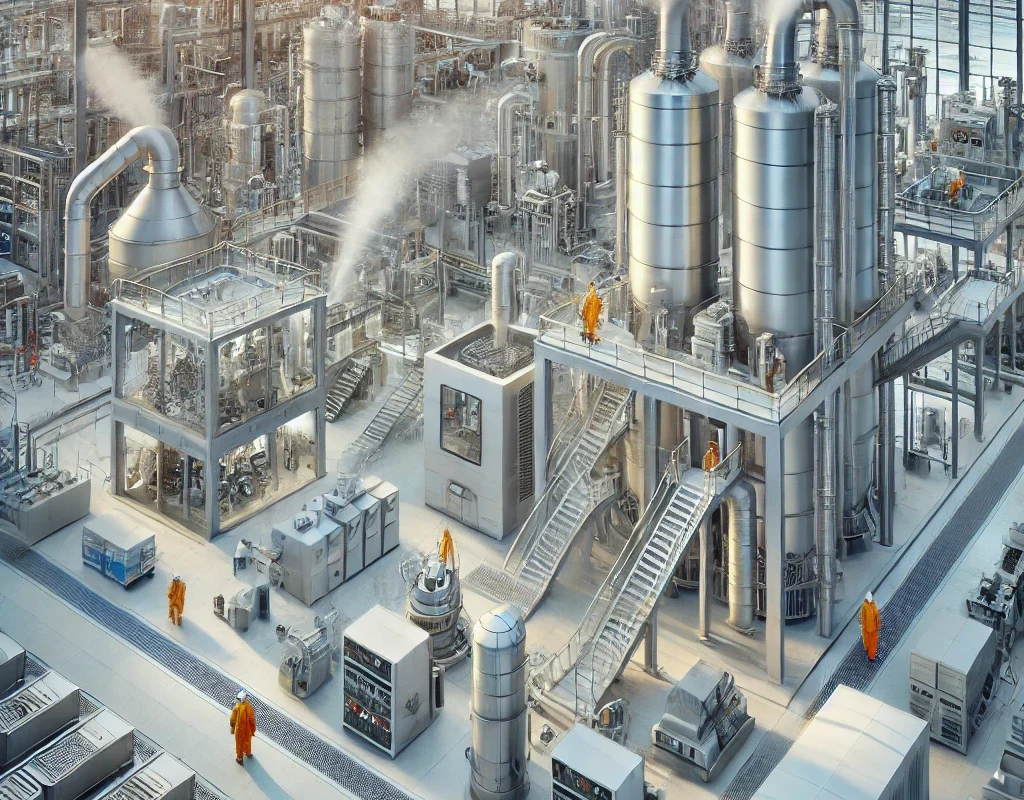
AI generated image of a plant in operation with fumes being released from some equipment.

How Poor Indoor Air Quality Affects Employee Productivity

Why Indoor Air Quality Matters at Work

Indoor air quality has a direct impact on worker comfort, health, and performance. In industrial environments, welding, soldering, machining, and grinding release fumes, dust, and mist into the workspace. If these pollutants are not controlled, they accumulate and affect employees throughout the day.

Poor indoor air quality not only increases health risks but also reduces productivity across the entire facility.

1. Increased Fatigue and Reduced Focus

When workers breathe contaminated air, the body works harder to filter out pollutants. This leads to fatigue and reduced concentration. Employees working near welding fumes, soldering smoke, or dust-heavy processes experience faster mental exhaustion.

Clean air helps workers stay alert and productive for longer periods.

2. Higher Absenteeism and Health Issues

Airborne contaminants cause headaches, irritation, allergies, breathing problems, and long-term lung issues. These health problems lead to more sick leave and reduced work output.

Facilities using proper fume extractors, dust collectors, and mist collectors see fewer health complaints among employees.

3. Poor Visibility and Slower Workflow

Welding smoke, mist from CNC machines, and airborne dust reduce visibility on the shop floor. This slows down the workflow and causes delays during assembly, inspection, and quality checks.

Clear air improves visibility and makes work faster and safer.

4. Reduced Equipment Life and More Breakdowns

Dust and fumes settle on machines, sensors, and control panels. Over time, this leads to overheating, corrosion, or malfunction. Equipment failure disrupts production and adds repair costs.

Clean air reduces equipment wear and supports uninterrupted operations.

5. Lower Morale and Job Satisfaction

Employees working in polluted areas feel discomfort and frustration. Poor air quality affects morale and reduces motivation. A clean and safe work environment improves satisfaction and retention.

Effective Solutions to Improve Indoor Air Quality

Local Exhaust Ventilation (LEV)

LEV systems capture pollutants directly at the source. Flexible arms, hoods, and extraction points ensure targeted capture.

Welding Fume Extractors

A welding fume extractor removes fumes before they spread. Powertech’s FumeKiller®, provides strong suction and efficient electrostatic filtration.

Soldering Fume Extractors

Flux fumes in electronics assembly affect breathing and comfort. A soldering fume extractor keeps the air clean around compact workstations.

Dust Collectors

Grinding and powder handling release fine dust. Powertech offers dust collectors for both light and heavy dust loads.

Mist Collectors

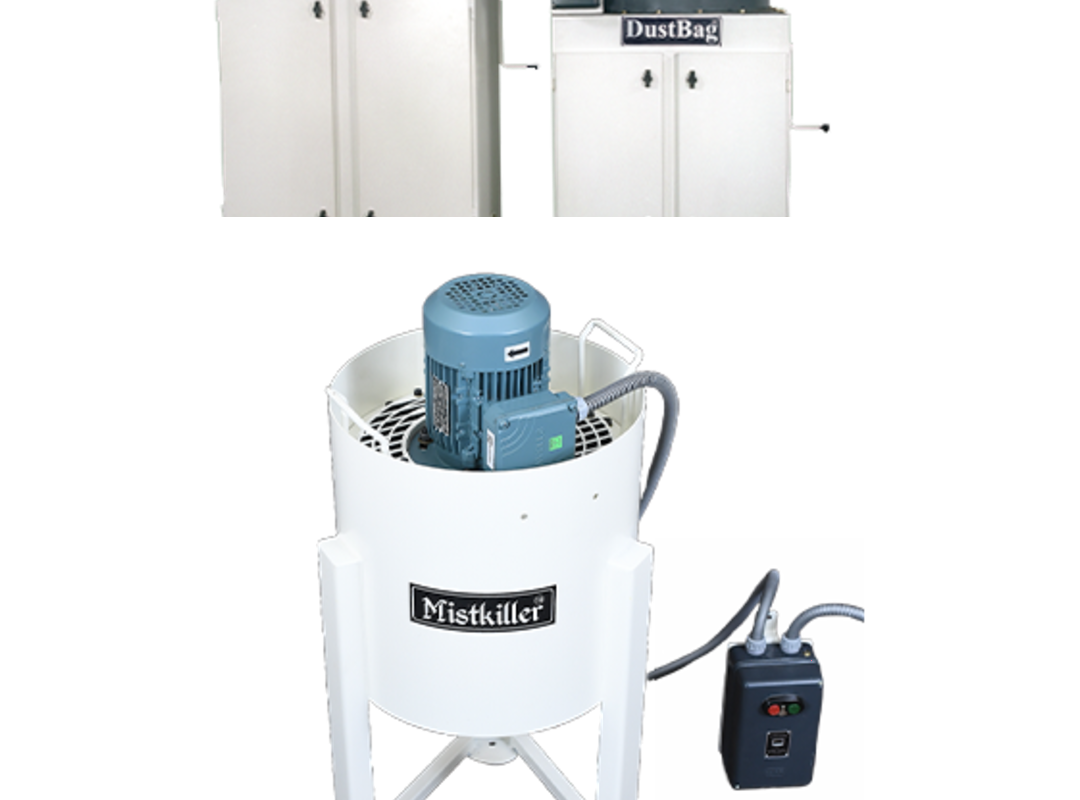
CNC machining generates oil mist that spreads quickly. MistKiller units function as an effective mist collector to capture this mist and help maintain safe indoor air.

Q&A: Indoor Air Quality and Productivity

Q1: How does indoor air quality affect work performance?
Poor air quality causes fatigue, poor focus, health issues, and lower output.

Q2: Can a fume extractor improve productivity?
Yes. Removing fumes improves visibility, comfort, and safety, which raises overall productivity.

Q3: What areas need extraction systems the most?
Welding bays, soldering lines, grinding stations, mixing areas, CNC machining sections, and powder handling zones.

Q4: Who provides reliable extraction systems in India?
Powertech Pollution Controls, a trusted fume extractor manufacturer in India, supplies FumeKiller, DustBag, and MistKiller systems for industrial use.

Conclusion

Poor indoor air quality affects employee productivity by reducing focus, increasing fatigue, causing health issues, and disrupting workflow. Installing high-quality fume extractors, dust collectors, and mist collectors creates a safer and more productive work environment.

As a leading fume extractor manufacturer in Bangalore, Powertech Pollution Controls helps industries maintain clean air, improve worker comfort, and meet compliance standards.
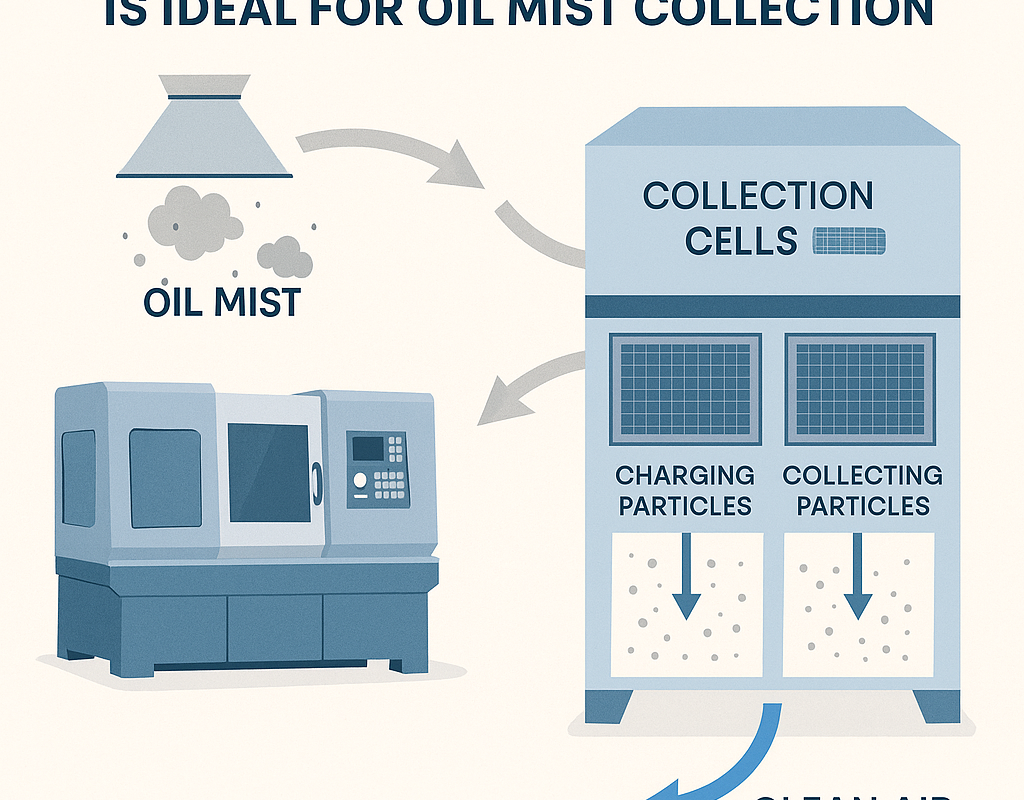
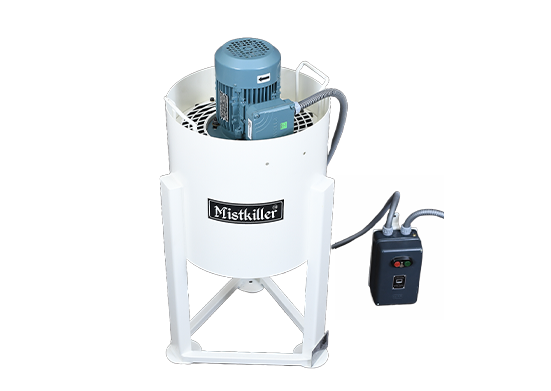
Diagram showing electrostatic precipitation for oil mist collection, with oil mist generated by a CNC machine being charged, collected in cells, and released as clean air.

Why Electrostatic Precipitation is Ideal for Oil Mist Collection

Understanding Oil Mist in Industrial Processes

Oil mist is a common by-product in industries that use CNC machining, grinding, or cutting with coolants. When oil-based or water-based coolants are sprayed at high speeds, fine mist particles are released into the air. If left uncontrolled, these particles reduce indoor air quality, create slip hazards, and damage machinery. A reliable oil mist collection system is necessary to keep workshops safe and efficient.

How Electrostatic Precipitation Works

Electrostatic precipitation is a proven technology for capturing fine particles such as oil mist, smoke, and fumes. In this method, contaminated air is drawn into a unit where the particles are given an electric charge. These charged particles are then attracted to oppositely charged plates and collected. Clean air is released back into the workplace, keeping the environment safe.

Why an Electrostatic Fume Extractor can excel in Oil Mist Collection

  • High Efficiency: Captures particles as small as 0.01 microns, making it more effective than traditional filters.
  • Reusable Collection Cells: Instead of disposable filters, electrostatic units use washable plates, reducing waste and running costs.
  • Consistent Airflow: Unlike mechanical filters that clog, electrostatic systems maintain steady suction and airflow.
  • Energy Savings: Low pressure drop design reduces power consumption, improving long-term efficiency.

Applications Beyond Oil Mist

Electrostatic fume extractors are not limited to mist control. They are widely used as:

This versatility makes electrostatic systems a preferred choice for workshops with multiple pollutant sources.

Why Work with a Trusted Manufacturer

Choosing the right fume extractor is about more than just technology — it also depends on the expertise of the supplier. Powertech Pollution Controls, a leading fume extractor manufacturer in Bangalore, has decades of experience in designing electrostatic fume extractors for oil mist, welding fumes, soldering fumes, and more. With a range of models like the FumeKiller, Powertech provides reliable solutions that meet CPCB compliance and workplace safety standards.

Conclusion

Electrostatic precipitation is the most effective and sustainable method for oil mist collection. Its ability to capture fine particles, reduce waste, and save energy makes it ideal for industries using CNC machines, grinding, or other coolant-based processes. With trusted partners like Powertech Pollution Controls — a specialist in welding fume extractors, soldering fume extractors, and industrial air filtration systems — companies can achieve cleaner air, safer workplaces, and better compliance with environmental standards.

Mistkiller™ Mist Collector – A Complete Guide for Cleaner & Safer Workspaces

Industrial processes like CNC machining, grinding, and turning often release harmful oil mist and fumes into the air. These not only pollute the workplace environment but also pose serious health risks to workers and damage machinery over time. That’s where Mistkiller™ – Powertech India’s centrifugal mist collector – comes in.

Mistkiller™ is designed to efficiently remove oil mist, smoke, and fine droplets from the air, ensuring a cleaner, safer, and eco-friendly work environment. In this article, we’ll explore what Mistkiller™ is, how it works, its applications, and why it is trusted by industries across India.


What is a Mist Collector?

A mist collector is an air pollution control device that removes oil mist, coolant mist, and fine liquid aerosols generated during industrial processes. Common types include:

  • Centrifugal Mist Collectors – use centrifugal force to separate oil mist (Mistkiller™ technology).
  • Electrostatic Precipitators – use electrical charges to capture mist particles.
  • Mechanical Filters – use layers of filter media to trap droplets.

Among these, centrifugal mist collectors are widely preferred for their durability, low maintenance, and efficiency in CNC and machining industries.


How Mistkiller™ Works

Mistkiller™ uses a high-speed centrifugal fan that draws mist-laden air into its chamber. Through centrifugal action, the oil mist and fine droplets are separated from the air stream and collected, while clean air is released back into the workshop.

✔️ Reusable filters ensure long-term cost savings.
✔️ Safe and eco-friendly operation.
✔️ Simple maintenance with minimal downtime.

(Insert diagram/image with alt text: “Mistkiller™ centrifugal mist collector working principle”)


Why Choose Mistkiller™ Mist Collector

  • Energy Efficient – Consumes low power compared to traditional systems.
  • Reusable Filter – Long-lasting, reduces recurring costs.
  • Low Maintenance – Simple design means fewer breakdowns.
  • Eco-Friendly – Prevents harmful mist emissions.
  • Trusted Brand – Manufactured by Powertech India, a leading pollution control solutions provider.

Applications of Mistkiller™ in Industries

Mistkiller™ is ideal for:

  • CNC machining and turning centers
  • Grinding and milling operations
  • Cleaning and washing systems
  • Metal cutting and forming industries
  • Food processing and chemical industries

Benefits of Using Mistkiller™

  • Improved workplace safety and cleanliness
  • Protection of worker health from respiratory issues
  • Longer life of machinery and reduced corrosion
  • Compliance with industrial pollution control norms
  • Cost-effective air purification solution

Mistkiller™ vs Other Mist Collectors

Compared to electrostatic and mechanical filter systems, Mistkiller™ offers:

  • Lower operating cost
  • Easier maintenance
  • More durability in industrial environments
  • Better performance for CNC machining

FAQs about Mistkiller™ Mist Collector

What is the suction capacity of Mistkiller™?

Mistkiller™ models are available in different capacities suitable for small CNC machines to large industrial setups.

Is Mistkiller™ easy to install?

Yes, it can be easily mounted on CNC machines or installed as a standalone unit.

What about maintenance?

The reusable filter design ensures low maintenance – just periodic cleaning is required.

Where can I buy Mistkiller™ in India?

Mistkiller™ is available exclusively from Powertech India. View product details here →


Conclusion – Keep Your Workplace Clean with Mistkiller™

Mistkiller™ is the ultimate solution for industries looking to control oil mist and ensure worker safety. Its proven design, low maintenance, and eco-friendly operation make it one of the best mist collectors in India.

👉 Learn more and request a quote here: Mistkiller™

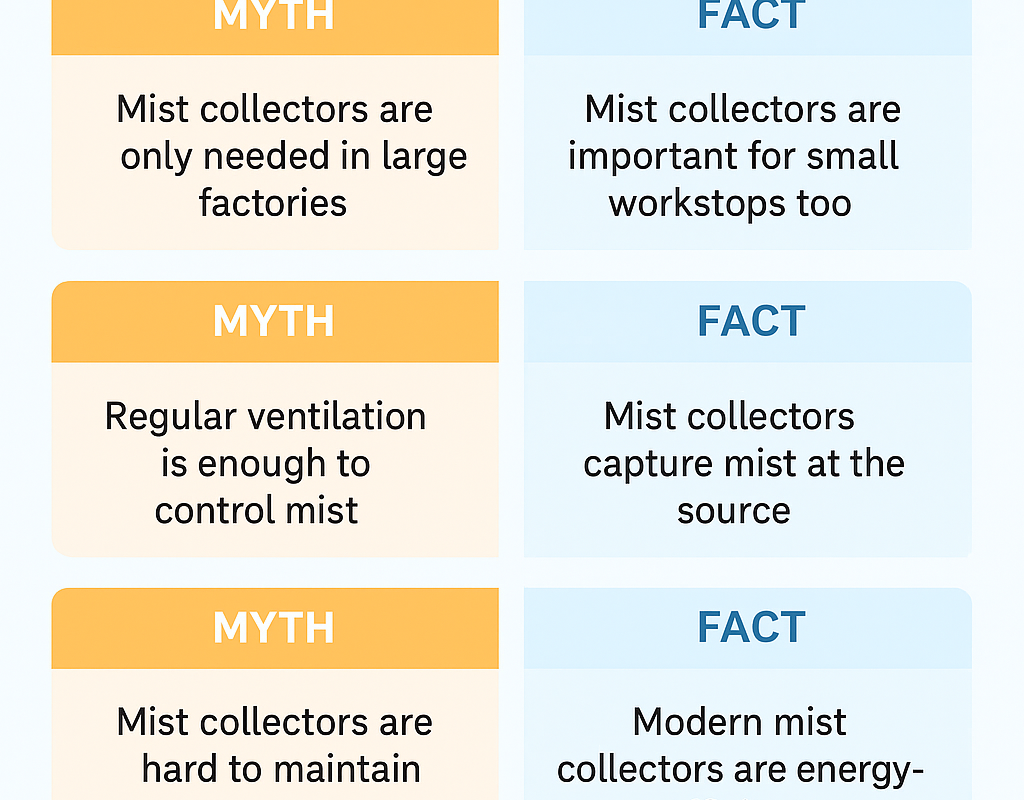
Myths and Facts About Mist Collectors in Engineering Units

Myths and Facts About Mist Collectors in Engineering Units

Clearing Misconceptions About Mist Collectors

Mist collectors have a wide range of uses in engineering and manufacturing units to capture oil mist, coolant mist, and fine droplets produced during machining. However, there are still many misconceptions with regard to these systems and believing these myths often leads to poor decisions about installation, operation, and maintenance. Understanding the facts helps industries make better use of mist collectors and keep workplaces safe.

Myth 1: Mist Collectors Are Only Needed in Large Factories

Fact:

Mist collectors are important for both small workshops and large plants. Even a single CNC machine can release enough mist to affect the air quality within the shopfloor. Installing a compact mist collector in a small unit can prevent exposure and protect both the health of the workers and the equipment.

Myth 2: Regular Ventilation Is Enough to Control Mist

Fact:

General ventilation can dilute pollutants but cannot capture fine oil or coolant mist at the source. Mist collectors are designed to pull contaminated air directly from machining areas and filter it before releasing clean air. Relying only on ventilation leaves pollutants in circulation.

Myth 3: Mist Collectors Consume Too Much Power

Fact:

Modern mist collectors are energy-efficient and designed to run continuously without high power costs. In fact, by preventing mist buildup on machines and surfaces, they reduce maintenance downtime and save energy in the long run.

Myth 4: Mist Collectors Are Hard to Maintain

Fact:

Maintenance is simple if done on schedule. Most mist collectors have reusable or washable filters, while others use self-cleaning mechanisms. Routine checks and cleaning keep the system working efficiently without requiring heavy effort.

Myth 5: Mist Collectors Are Expensive and Not Worth the Cost

Fact:

While there is an initial investment, mist collectors reduce long-term costs by protecting machines, improving worker health, and lowering the chance of accidents caused by slippery floors. Over time, the system pays for itself through reduced maintenance and higher productivity.

Conclusion

Mist collectors are not just optional equipment but an essential part of air quality management in engineering units. Clearing the myths around their use highlights the real value they provide in safety, compliance, and cost savings. Choosing the right mist collector and maintaining it properly ensures clean air and smoother operations in any engineering setup.

Key Differences Between Mist Collectors and Dust Collectors


Mist collectors and dust collectors both help improve air quality in industrial spaces. However, they are designed for different types of air pollution. Understanding the difference between the two helps you choose the right system for your workplace.

What Is a Mist Collector?

Mist Collectors are usually centrifugal filtration systems designed for the capture and control of fine liquid droplets in the air.

The aforementioned droplets are usually produced during processes like CNC machining, milling, wet grinding i.e grinding process with coolants or metal cutting using oil-based or water-based coolants.

Mist collectors pull in the polluted air and use filters or centrifugal force to separate the mist from the air. Clean air is then released back into the work area.

What Is a Dust Collector?

A dust collector is typically a bag based or cyclone type filtration system that is used to capture solid particulate matter in the air. These particles are generally created during processes like grinding, buffing, mixing and cutting or sanding of dry materials.

Dust collectors use strong suction pressure along with physical filtration media to trap the solid dust particles and prevent them from spreading into the ambient air.There are also self-cleaning dust collectors which use a different type of filter media that is more efficient and make use of reverse-pulsed jet systems that blast air through the filters at specific intervals to keep the filters clean. These types of reverse-pulsed jet dust collectors are used where there is a much higher volume of dust or in cases of much finer dust particles.

Main Differences Between Mist and Dust Collectors


Why Choosing the Right System Matters

Using the wrong type of filtration system can reduce air-cleaning performance and increase maintenance issues. For example, a dust collector is not suited for capturing coolant mist, and a mist collector cannot trap fine dry dust. It is also to be noted that a centrifugal mist collector is not ideal for capturing oil mist. Instead, in such cases, it is more effective to use an electrostatic filtration system that would serve as an oil mist collector. Matching the system to the pollution type improves worker safety, extends machine life, and helps you meet environmental rules.