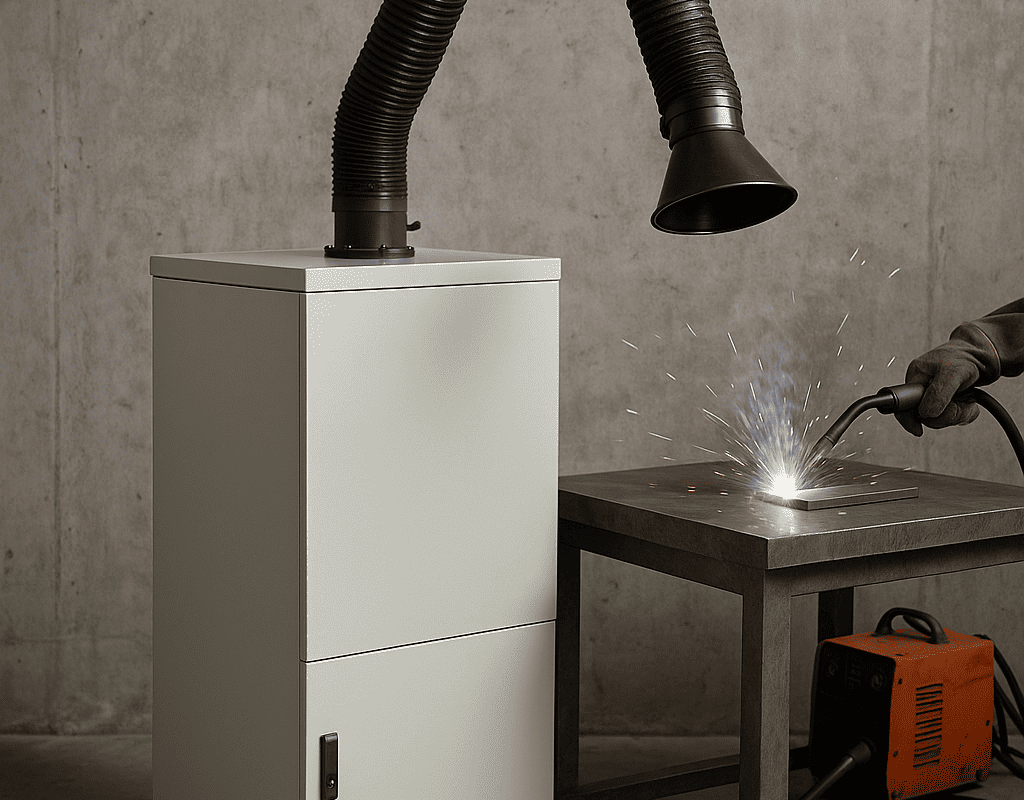
Fume extraction system connected to a welding station, showing a flexible suction arm capturing fumes directly above the weld area in a clean workshop.

FAQs About Industrial Air Filtration Systems

Understanding Industrial Air Filtration

Air filtration systems play a crucial role in maintaining clean and safe environments across industries. From welding and soldering to machining and food processing, every production process generates airborne pollutants such as fumes, dust, mist, or smoke. The right air filtration system helps control these contaminants and ensures compliance with safety standards.To help you understand the importance of these systems better, here are some common questions and answers about industrial air filtration and how manufacturers like Powertech Pollution Controls, a leading fume extractor manufacturer in Bangalore, deliver effective clean air solutions.

What Is an Industrial Air Filtration System?

An industrial air filtration system removes airborne pollutants created during manufacturing. It uses filters or electrostatic technology to capture dust, mist, and fumes before clean air is released back into the workspace. Common examples include fume extractors, dust collectors, and mist collectors — all of which are designed for different types of pollutants.

Why Is Air Filtration Important in Industrial Settings?

Clean air ensures worker safety, reduces equipment wear, and improves overall productivity. Without proper filtration, pollutants such as oil mist, metal fumes, or chemical vapors can cause respiratory problems, damage machinery, and lead to non-compliance with CPCB air quality norms.

What Are the Different Types of Air Filtration Systems?

Fume Extractors
Used for removing smoke and fumes from welding, soldering, and similar operations. Powertech is a trusted welding fume extractor manufacturer in Bangalore and soldering fume extractor manufacturer in Bangalore, offering portable and centralized systems.

Dust Collectors
Designed to handle dry particles and dust from processes such as grinding, polishing, or mixing. Powertech also operates as a dust collector manufacturer in Bangalore, providing solutions like the DustBag series.

Mist Collectors
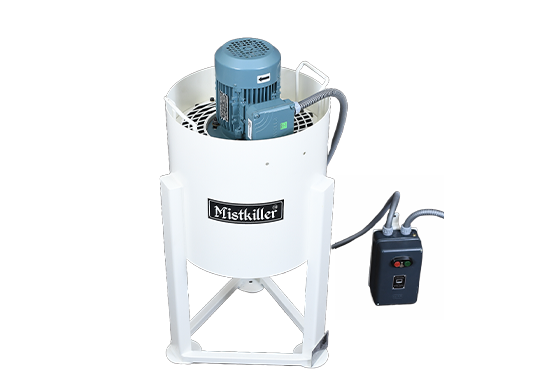
Ideal for CNC machining and coolant-based operations, a mist collector like MistKiller from Powertech Pollution Controls can effectively removes oil mist and fine droplets, improving air quality in workshops.

What Technology Is Used in Modern Air Filtration Systems?

Electrostatic precipitation is one of the most effective methods. It charges fine particles in the air and collects them on oppositely charged plates. This technology is used in systems like FumeKiller, which efficiently captures welding and soldering fumes without frequent filter replacements.

How Often Should Filters Be Cleaned or Replaced?

Maintenance frequency depends on the process and system type.

Electrostatic filters can be washed and reused.

HEPA or cartridge filters must be replaced periodically.
Regular maintenance ensures optimal performance and compliance with air quality standards.

Can One System Handle Multiple Pollutant Types?

While some multi-stage systems can capture different pollutants, it’s usually best to choose separate units for specific contaminants. For instance, fume extractors are ideal for smoke and vapor, while dust collectors handle dry particles. Custom-designed systems can also combine both functions when needed.

How Do I Choose the Right Air Filtration System?

Selecting the right system depends on factors like:

Type of pollutant (dust, mist, or fumes)

Process type (welding, grinding, machining, etc.)

Volume of air to be cleaned

Layout of the facility

Consulting a fume extractor manufacturer in India like Powertech Pollution Controls ensures you get a solution designed for your exact industrial process.

Are Air Filtration Systems Energy Efficient?

Yes. Modern air filtration systems are designed to minimize pressure drop, allowing for efficient airflow with lower energy use. Electrostatic systems, in particular, require less power and offer longer service life compared to traditional filters.

What Are the Benefits of Partnering with a Local Manufacturer?

Working with a fume extractor manufacturer in Bangalore offers faster service, custom-built designs, and easier access to support and spare parts. Local expertise also ensures better understanding of regional air quality norms and CPCB requirements.

Conclusion

Industrial air filtration is not just about meeting safety standards — it’s about creating a cleaner, more efficient, and sustainable workplace. Whether you need a welding fume extractor, soldering fume extractor, dust collector, or mist collector, Powertech Pollution Controls provides reliable and customized solutions to fit your needs. As a trusted fume extractor manufacturer in India, Powertech helps industries achieve cleaner air, safer workspaces, and better long-term performance.
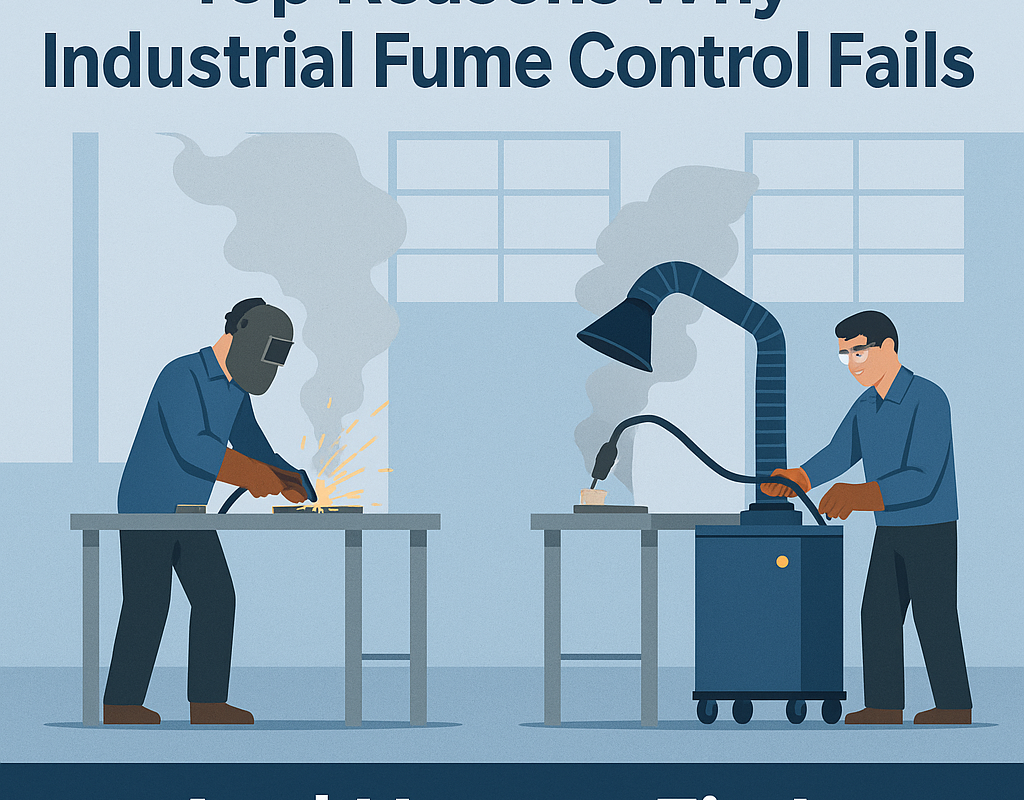
Industrial workshop with two stations, one using a portable fume extractor capturing welding fumes effectively, while the other shows fumes spreading due to poor extraction.

Top Reasons Why Industrial Fume Control Fails (And How to Fix It)

Why Fume Control Is Critical

Industries that involve welding, soldering, machining, or chemical processing generate harmful fumes and mist. A reliable fume extractor ensures clean air, protects workers, and keeps plants compliant with safety standards. Yet, many facilities still face challenges where fume control systems do not work as expected. Knowing the reasons behind these failures and how to solve them helps avoid downtime and health risks.

Reason 1: Wrong Type of Fume Extractor Chosen

Each pollutant needs a specific control method. A welding fume extractor handles metal fumes, while a soldering fume extractor is designed for electronics assembly fumes. Using the wrong system leads to poor results.

Fix:

Choose the extractor based on the pollutant type, volume of emissions, and workplace layout. Work with an experienced fume extractor manufacturer like Powertech to get a system tailored to your needs.

Reason 2: Poor Placement of Extraction Points

If the suction hood or arm is too far from the source, fumes escape before being captured. This lowers system efficiency and reduces air quality.

Fix: 

Position extractor arms or hoods as close to the source as possible. Flexible arms allow precise placement without interrupting the process.

Reason 3: Inadequate Maintenance

Filters and collection cells clog or wear out over time. Without proper cleaning and replacement, even the best fume extractor cannot perform well.

Fix:

Follow a fixed maintenance schedule. Clean electrostatic cells, replace filters on time, and keep ducts free from blockages. Maintain a log to track servicing.

Reason 4: Undersized or Overloaded Systems

Sometimes a single unit is expected to handle more than it was designed for. This reduces suction power and leaves pollutants in the air.

Fix:

Always match the system capacity to the process requirements. For larger setups, consider centralized systems or multiple extractors placed strategically.

Reason 5: Lack of Worker Training

Operators may bypass the system, move hoods incorrectly, or switch off extractors to save power. This leads to poor air quality and higher risks.

Fix:

Train workers to use extractors correctly and explain the risks of exposure. Simple awareness can prevent many fume control failures.

Conclusion

Industrial fume control fails when the wrong system is used, placement is poor, or maintenance is ignored. It also fails when the system is overloaded or not used properly. By choosing the right fume extractor, placing it correctly, maintaining it on time, and training workers, industries can avoid these issues. Powertech Pollution Controls is a trusted fume extractor manufacturer in Bangalore and partnering with us ensures reliable solutions for welding, soldering, and other industrial applications.

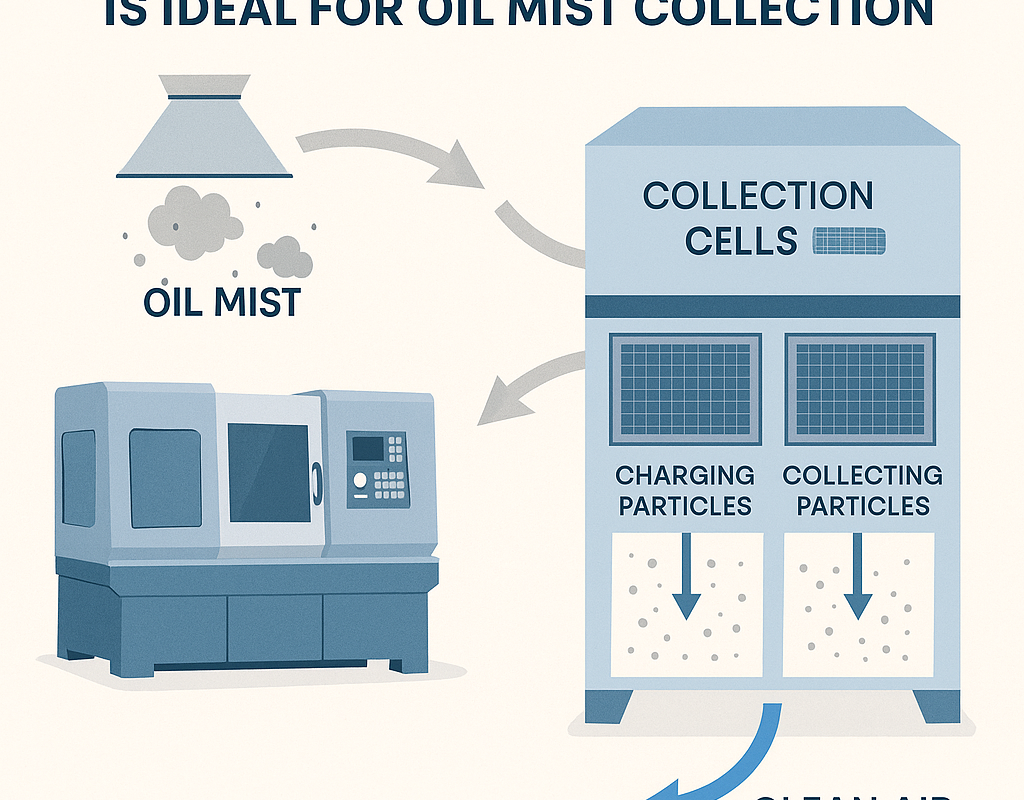
Diagram showing electrostatic precipitation for oil mist collection, with oil mist generated by a CNC machine being charged, collected in cells, and released as clean air.

Why Electrostatic Precipitation is Ideal for Oil Mist Collection

Understanding Oil Mist in Industrial Processes

Oil mist is a common by-product in industries that use CNC machining, grinding, or cutting with coolants. When oil-based or water-based coolants are sprayed at high speeds, fine mist particles are released into the air. If left uncontrolled, these particles reduce indoor air quality, create slip hazards, and damage machinery. A reliable oil mist collection system is necessary to keep workshops safe and efficient.

How Electrostatic Precipitation Works

Electrostatic precipitation is a proven technology for capturing fine particles such as oil mist, smoke, and fumes. In this method, contaminated air is drawn into a unit where the particles are given an electric charge. These charged particles are then attracted to oppositely charged plates and collected. Clean air is released back into the workplace, keeping the environment safe.

Why an Electrostatic Fume Extractor can excel in Oil Mist Collection

  • High Efficiency: Captures particles as small as 0.01 microns, making it more effective than traditional filters.
  • Reusable Collection Cells: Instead of disposable filters, electrostatic units use washable plates, reducing waste and running costs.
  • Consistent Airflow: Unlike mechanical filters that clog, electrostatic systems maintain steady suction and airflow.
  • Energy Savings: Low pressure drop design reduces power consumption, improving long-term efficiency.

Applications Beyond Oil Mist

Electrostatic fume extractors are not limited to mist control. They are widely used as:

This versatility makes electrostatic systems a preferred choice for workshops with multiple pollutant sources.

Why Work with a Trusted Manufacturer

Choosing the right fume extractor is about more than just technology — it also depends on the expertise of the supplier. Powertech Pollution Controls, a leading fume extractor manufacturer in Bangalore, has decades of experience in designing electrostatic fume extractors for oil mist, welding fumes, soldering fumes, and more. With a range of models like the FumeKiller, Powertech provides reliable solutions that meet CPCB compliance and workplace safety standards.

Conclusion

Electrostatic precipitation is the most effective and sustainable method for oil mist collection. Its ability to capture fine particles, reduce waste, and save energy makes it ideal for industries using CNC machines, grinding, or other coolant-based processes. With trusted partners like Powertech Pollution Controls — a specialist in welding fume extractors, soldering fume extractors, and industrial air filtration systems — companies can achieve cleaner air, safer workplaces, and better compliance with environmental standards.

How to Ensure CPCB Compliance with Your Air Filtration Systems

Understanding CPCB Guidelines

The Central Pollution Control Board (CPCB) sets air quality and emission standards for industries in India. These rules apply to facilities where processes generate dust, fumes, mist, smoke, or other airborne pollutants. Meeting CPCB norms is not only a legal requirement but also an important step toward protecting workers, equipment, and the environment.

Why CPCB Compliance Matters

Compliance with CPCB standards ensures that your facility operates within permitted emission limits. Failure to meet these limits can lead to fines, shutdown orders, or legal action. Beyond regulation, following these standards helps improve air quality, creates a healthier workplace, and builds trust with clients and stakeholders.

Steps to Ensure Compliance with Your Air Pollution Control Systems

1. Install the Right Air Filtration System

Choose a system that matches your process requirements. For example:

Matching the system to the type of pollutant ensures effective filtration and helps meet CPCB limits.

2. Maintain Proper Airflow and Suction

CPCB compliance depends on consistent performance. Check airflow levels regularly to confirm that suction is strong enough to capture pollutants at the source. Blocked filters or leaks in ducts can reduce efficiency and cause emission levels to rise.

3. Use Approved Filters and Media

Filters play a central role in meeting emission standards. Always use filters rated for your application, such as HEPA filters for fine dust or electrostatic filters for mist and smoke. Avoid low-quality alternatives, as they may fail to meet CPCB standards.

4. Keep Records of Maintenance and Inspections

CPCB officials may request proof of maintenance and system performance. Maintain a log of filter replacements, airflow checks, and system servicing. This record shows compliance and helps identify issues before they become serious.

5. Monitor Emissions Regularly

Periodic monitoring of emissions ensures your system continues to perform within the prescribed limits. Use portable monitoring equipment or work with certified agencies to measure particulate levels in the air.

6. Train Workers on Proper Usage

Even the best air filtration system cannot perform well if not used correctly. Train operators to position suction hoods close to the source, avoid tampering with settings, and report any drop in performance.

Benefits of CPCB Compliance

  • Avoid legal action, penalties, and plant shutdowns
  • Create a safer workplace for employees
  • Improve machine performance by reducing dust and mist buildup
  • Build a reputation as a responsible manufacturer
  • Contribute to sustainability and environmental protection

Conclusion

CPCB compliance is more than just a regulatory requirement. It is a way to ensure clean air, safer working conditions, and long-term operational efficiency. By choosing the right air filtration system, maintaining it regularly, monitoring emissions, and training staff, you can meet CPCB standards with confidence and keep your facility running without disruption.

Mist-collector

Importance of Air Pollution Control in CNC Machining

Industries which are in the manufacturing sector, including automotive, aerospace, tooling, heavy and light engineering, typically make use of CNC machining for various processes. This is primarily because these systems allow for precise designs implemented accurately and consistently for multiple parts and tools. These systems, however, do have a downside – they generate excessive amounts of heat during the machining processes.

The application and drawbacks of coolants:

To counter the generated heat, either water-based or oil-based coolants are used in the machining procedures. This subsequently leads to generation of oil or coolant mist that can reduce the air quality within the shopfloor. Additionally the mist particles may settle into the small gaps and crevices in the machines and can cause complete system failures if left unchecked. The poor air quality can also lead to health issues among the workers within the shopfloor.

Why Air Pollution Control is Essential

Through the use of a proper air pollution control system, the workspace can be kept clean and safe. Some of the benefits include:

  1. Protect Health of Workers: By clearing the air of pollutants, the workers are protected from contaminants and reduce health risks.
  2. Keep Machines in Good Condition: As captured mist particles can no longer settle within the gaps of the machines, the equipment stays clean and runs better for longer.
  3. Meet Environmental Regulations: Cleaner air means adhering to environmental rules.
  4. Economical Benefits: The captured coolant mist can be recovered from the mist collector and then reused, allowing for long term economical benefits.

The Solution: Mist Collectors

Based on the type of coolant being used, different types of mist collectors may be used to control the generated mist. Water based coolant mist can be controlled using a centrifugal mist collector. Alternatively, oil based coolant mist can be controlled using an electrostatic oil mist collector.

These mist collectors make use of the concept of mist evacuation where the entire volume of air within the enclosed CNC machines are evacuated within a short span of time, usually 5 – 10 seconds. This ensures that by the time the operator opens the doors of the machine, all the air is evacuated and no mist escapes into the shopfloor.
The process of CNC machining can lead to generation of oil based or water based coolant mist. These pollutants can be controlled using a mist collector. For any requirements to do with mist extraction, reach out to us today.