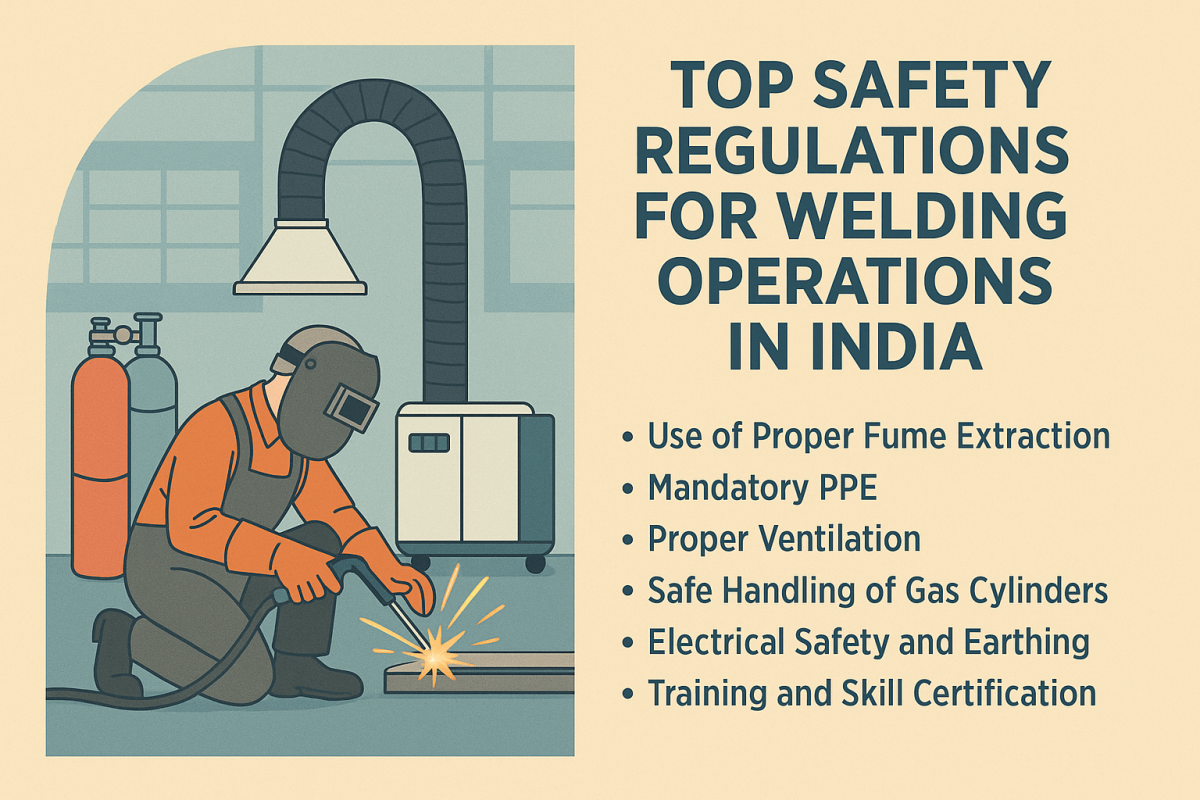
Understanding Welding Safety Requirements
Welding is a core process in manufacturing, fabrication, automotive work, and construction. It also comes with risks such as harmful fumes, heat, sparks, and exposure to metal vapors. To reduce these risks, Indian industries must follow specific safety regulations issued by bodies like the Directorate General, Factory Advice Service and Labour Institutes (DGFASLI), the Indian Standards (IS), and the Central Pollution Control Board (CPCB).
Compliance ensures worker safety, reduces health risks, and improves productivity. It also helps facilities avoid penalties and shutdowns.
1. Use of Proper Fume Extraction Systems
What the Regulations Say:
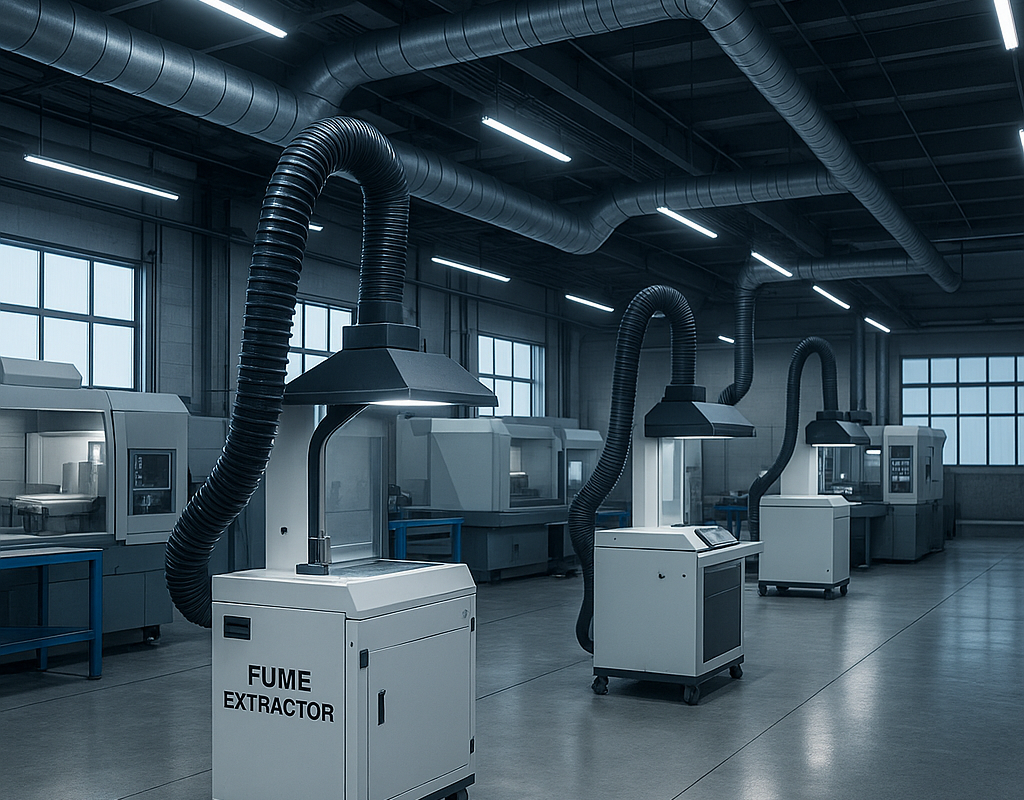
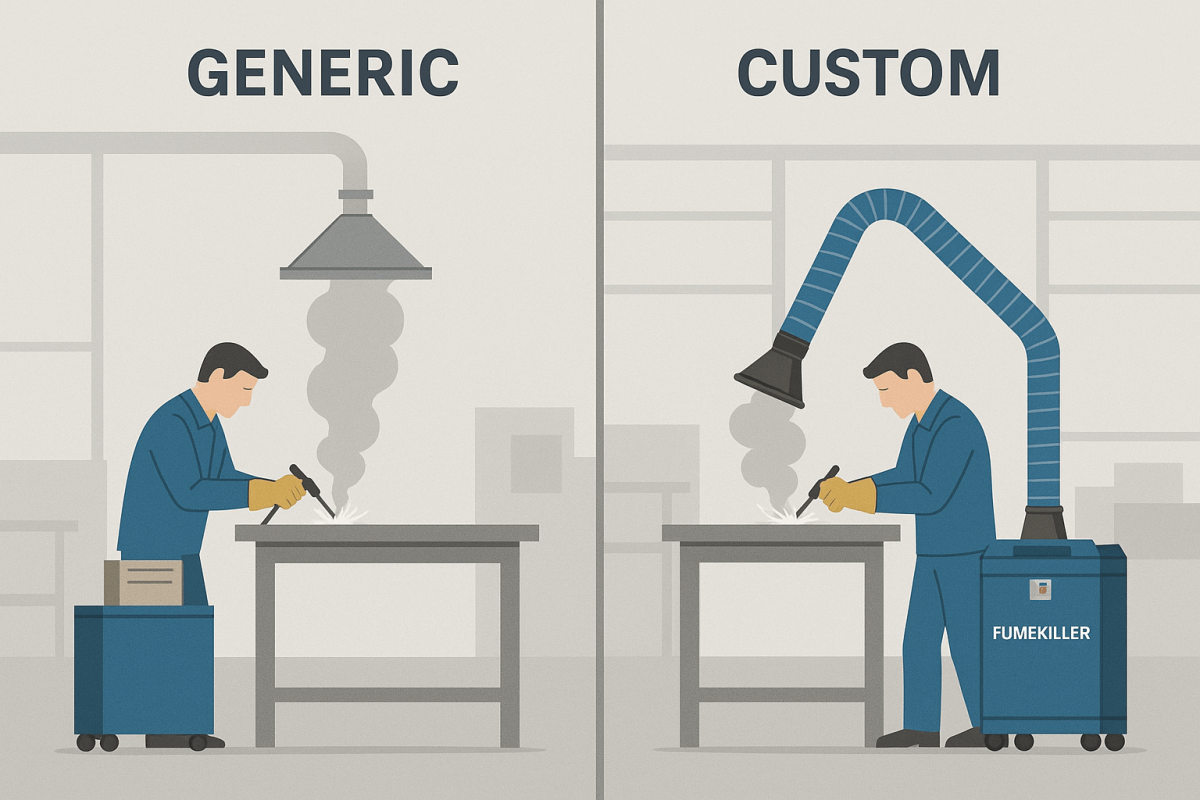
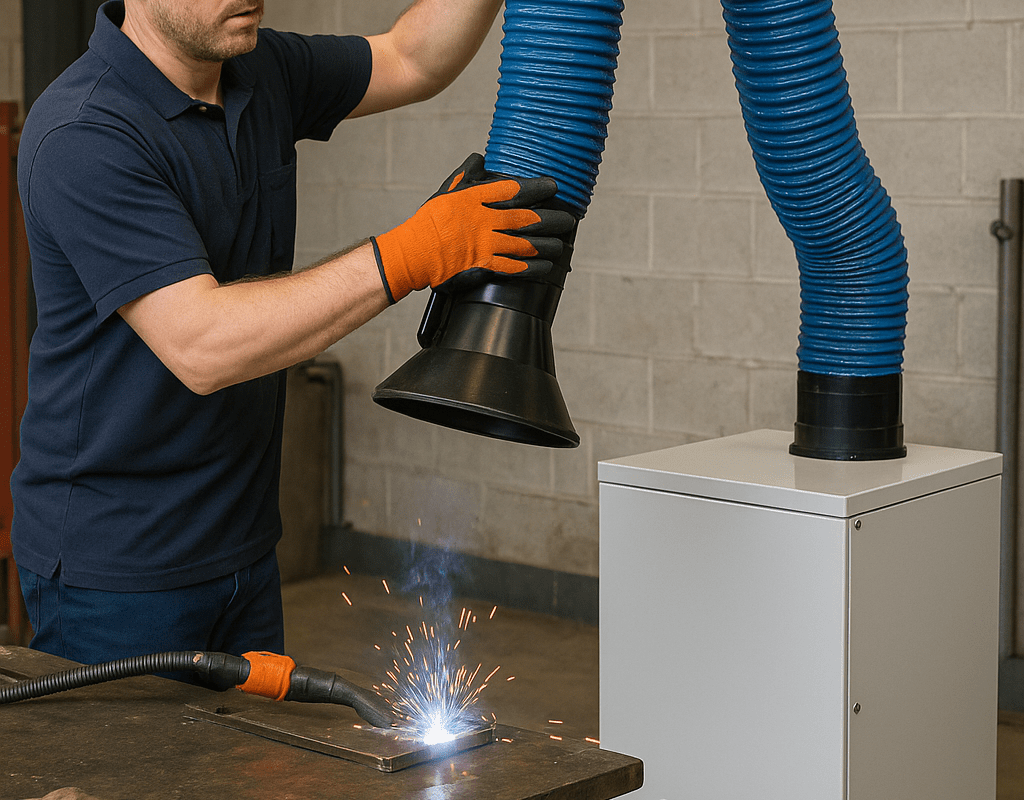
Indian safety standards require industries to control welding fumes at the source. CPCB guidelines mandate the installation of local exhaust ventilation (LEV) or a welding fume extractor to maintain safe indoor air quality.
Why This Matters:
Welding fumes contain harmful particulates and metal oxides. Extracting them at the source protects workers and maintains clean air.
Recommended Solution:
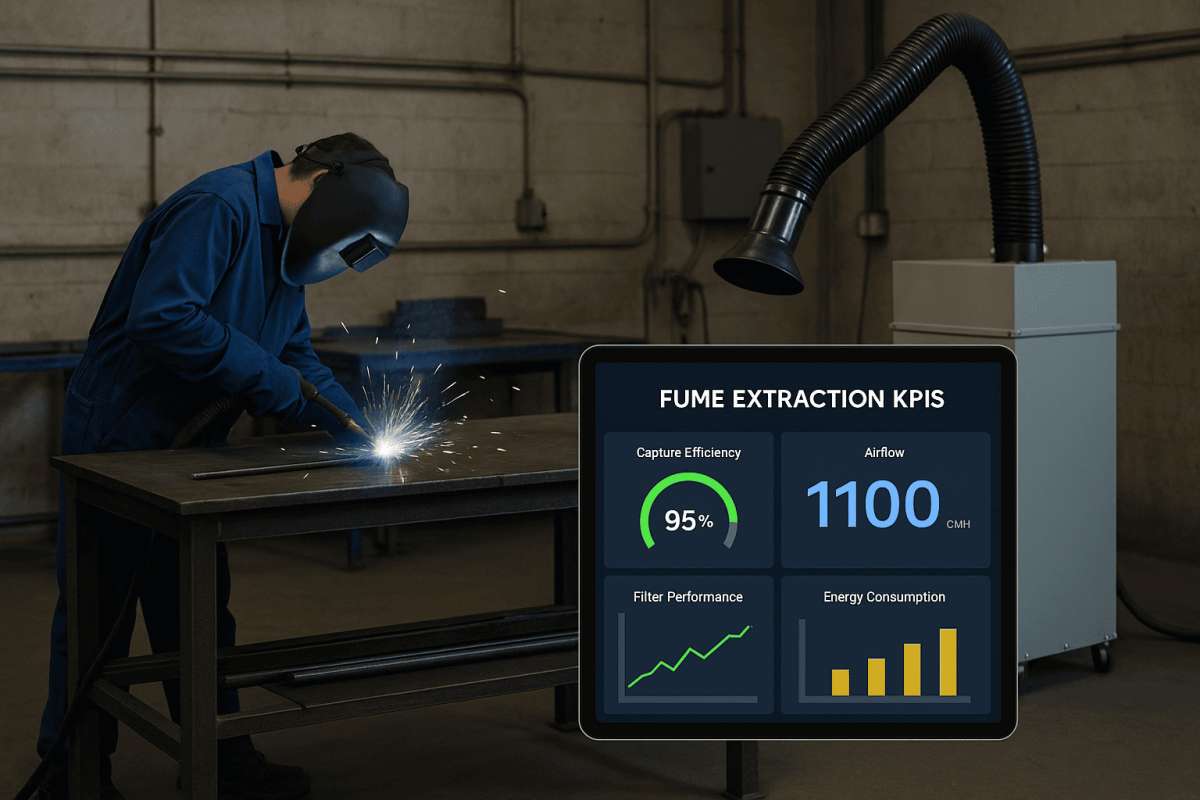
Powertech Pollution Controls, a leading welding fume extractor manufacturer in Bangalore, provides electrostatic systems like the FumeKiller® that efficiently capture fumes from MIG, TIG, and arc welding stations.
2. Mandatory Personal Protective Equipment (PPE)
What the Regulations Say:
Under the Occupational Safety, Health and Working Conditions (OSHWC) Code and BIS standards:
- Welders must wear helmets with approved filters
- Fire-resistant gloves and aprons are mandatory
- Eye and face protection is required
Why This Matters:
PPE shields welders from sparks, UV radiation, and high temperatures.
3. Proper Ventilation and Air Quality Control
What the Regulations Say:
CPCB and DGFASLI recommend adequate room ventilation along with local extraction. Poor ventilation increases the risk of fumes accumulating indoors.
Why This Matters:
Good airflow prevents heat buildup and improves worker comfort.
Common Solutions:
- Cross ventilation
- Fresh air inlet fans
- Centralized fume extraction combined with portable units
4. Safe Handling of Gas Cylinders and Equipment
What the Regulations Say:
Indian safety norms require:
- Secure storage of gas cylinders
- Regular leak checks
- Flame arrestors and regulators on fuel lines
Why This Matters:
It reduces the risk of fire and explosions.
5. Electrical Safety and Earthing
What the Regulations Say:
IS standards specify proper earthing of welding machines, insulation of cables, and regular inspection of connections.
Why This Matters:
Faulty cables or poor grounding increase the risk of electric shocks.
6. Training and Skill Certification
What the Regulations Say:
Factories must ensure welders are trained under recognized programs such as ITI or authorized skill development centers.
Why This Matters:
Trained welders are less likely to make hazardous mistakes and more likely to follow safety procedures.
Q&A: Common Questions About Welding Safety Regulations
Q1: Are welding fume extractors mandatory in India?
They are strongly mandated under CPCB guidelines for indoor welding operations, especially in enclosed workshops.
Q2: What type of fume extractor is best for welding?
A system with strong suction and efficient filtration, such as the FumeKiller®, is ideal. It captures fumes directly at the source and reduces exposure.
Q3: Can one fume extractor serve multiple welding stations?
Yes. Models with flexible extractor arms can handle two stations depending on layout and process intensity.
Q4: Who manufactures reliable welding fume extractors in India?
Powertech Pollution Controls, a trusted fume extractor manufacturer in India, specializes in welding, soldering, dust, and mist extraction systems.
Conclusion
Welding safety in India depends on proper fume extraction, PPE use, ventilation, equipment maintenance, and trained personnel. Facilities that follow these regulations create safer and more productive workplaces.As a leading welding fume extractor manufacturer in Bangalore, Powertech Pollution Controls provides reliable, CPCB-compliant solutions that help industries maintain clean air and protect workers during welding operations.