Mist-collector

Importance of Air Pollution Control in CNC Machining

Industries which are in the manufacturing sector, including automotive, aerospace, tooling, heavy and light engineering, typically make use of CNC machining for various processes. This is primarily because these systems allow for precise designs implemented accurately and consistently for multiple parts and tools. These systems, however, do have a downside – they generate excessive amounts of heat during the machining processes.

The application and drawbacks of coolants:

To counter the generated heat, either water-based or oil-based coolants are used in the machining procedures. This subsequently leads to generation of oil or coolant mist that can reduce the air quality within the shopfloor. Additionally the mist particles may settle into the small gaps and crevices in the machines and can cause complete system failures if left unchecked. The poor air quality can also lead to health issues among the workers within the shopfloor.

Why Air Pollution Control is Essential

Through the use of a proper air pollution control system, the workspace can be kept clean and safe. Some of the benefits include:

  1. Protect Health of Workers: By clearing the air of pollutants, the workers are protected from contaminants and reduce health risks.
  2. Keep Machines in Good Condition: As captured mist particles can no longer settle within the gaps of the machines, the equipment stays clean and runs better for longer.
  3. Meet Environmental Regulations: Cleaner air means adhering to environmental rules.
  4. Economical Benefits: The captured coolant mist can be recovered from the mist collector and then reused, allowing for long term economical benefits.

The Solution: Mist Collectors

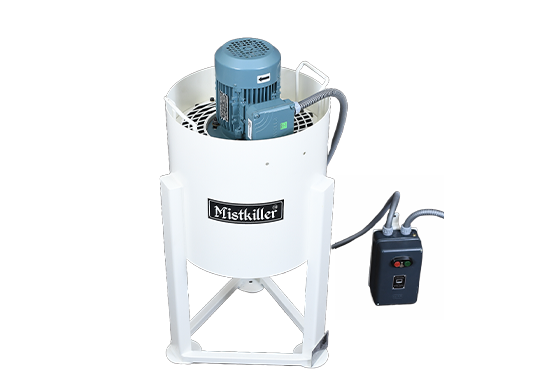
Based on the type of coolant being used, different types of mist collectors may be used to control the generated mist. Water based coolant mist can be controlled using a centrifugal mist collector. Alternatively, oil based coolant mist can be controlled using an electrostatic oil mist collector.

These mist collectors make use of the concept of mist evacuation where the entire volume of air within the enclosed CNC machines are evacuated within a short span of time, usually 5 – 10 seconds. This ensures that by the time the operator opens the doors of the machine, all the air is evacuated and no mist escapes into the shopfloor.
The process of CNC machining can lead to generation of oil based or water based coolant mist. These pollutants can be controlled using a mist collector. For any requirements to do with mist extraction, reach out to us today.
Success of FumeKiller® as an Oil Mist Collector at Nexteer

Introduction: Extraction of Oil Mist from CNC Machining Process

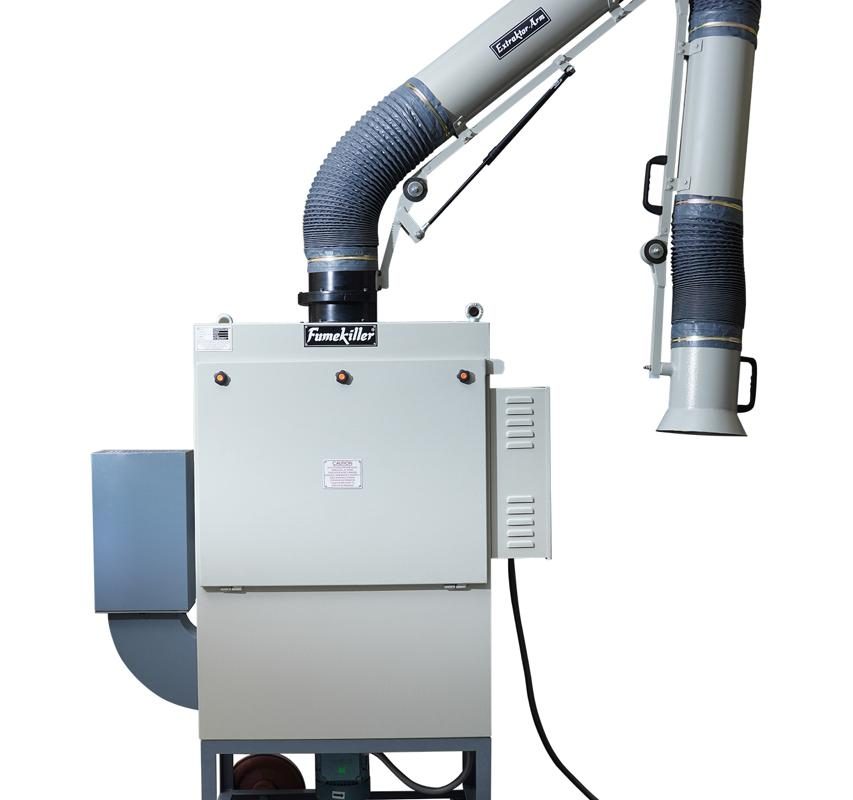
The FumeKiller® finds use across a variety of applications. Primarily used as a welding fume extractor or soldering fume extractor, the FumeKiller® also finds use as an effective oil mist collector. Following are the details of a successful application of the FumeKiller® for the extraction of oil mist generated from a CNC machining process.

The Challenge: Issues due to Oil Mist in the Shop Floor 

Nexteer, a well known and established player in the manufacturing industry was facing an issue commonly faced during the CNC machining process – oil mist.

The process involved the use of neat cutting oil during the machining process which led to the generation of oil mist. The mist would escape into the shopfloor which led to various issues, including:

  1. Reduction in air quality within the shopfloor.
  2. Mist settling within the gaps on the machine which may lead to breakdowns and system failures.
  3. Loss of oil mist means loss of usable neat cutting oil over time.

Any solution provided to the customer would need to be designed with all the above problems in mind and effectively solve each issue.

The Solution: FumeKiller® model FK2000EM

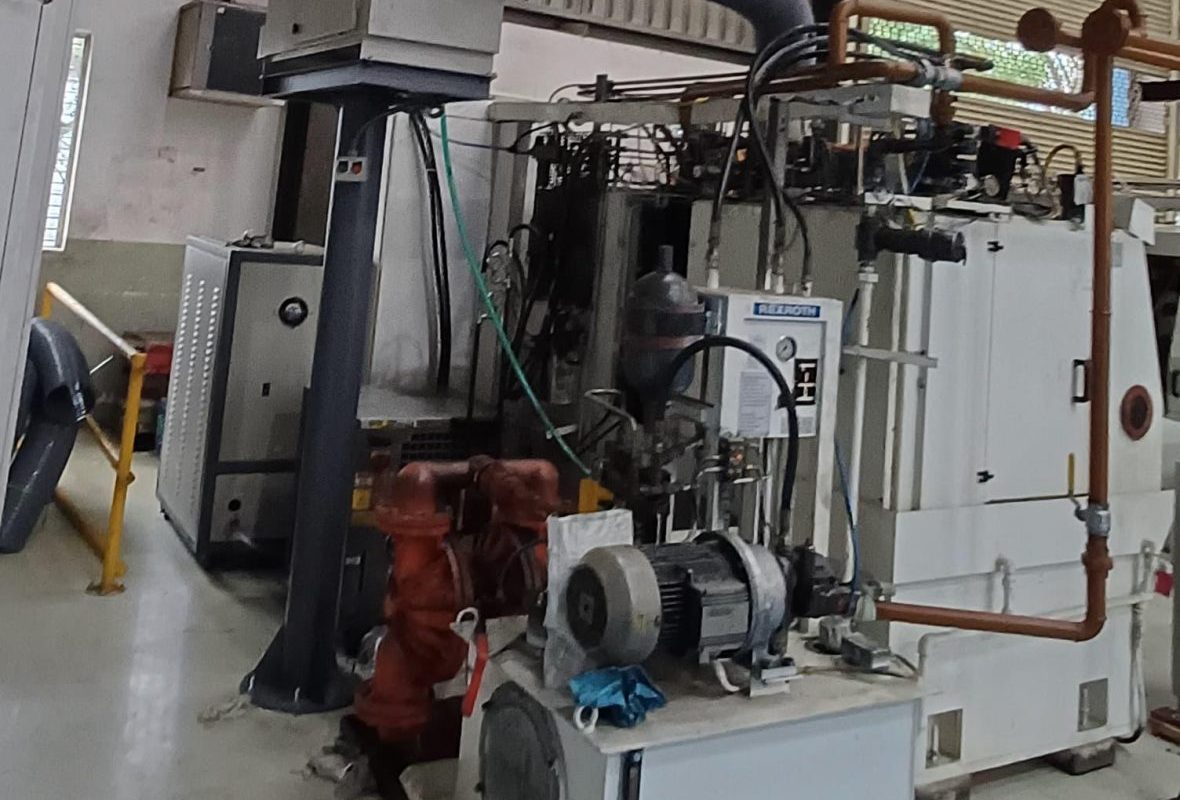
To address both the primary and secondary issues, a careful study of the work area was done before suggesting a FumeKiller® model FK2000EM for the capture and control of the generated oil mist. The unit was to be mounted on a 6.5 ft. pipe stand positioned close to the CNC machine. This positioning would also provide an additional advantage of being able to collect the filtered oil mist from a drain point provided on the FumeKiller® unit.

The logic used for this solution is primarily based on the concept of mist evacuation where the entire volume of air within the CNC machine is evacuated within a certain time, usually 5-10 seconds. This ensures that when the doors of the machine are opened there are no mist particles that escape into the shopfloor.

Results and Impact: Successful Implementation of FumeKiller®

The implementation of the FumeKiller® was a success which allowed for multiple benefits to our client:

  • Improvement in Air Quality: The complete volume of air within the CNC machines, which would include the generated oil mist, was being evacuated before the doors were opened and therefore, with no release of oil mist into the shopfloor, it resulted in a significant improvement in the air quality.
  • Operational Efficiency: The FumeKiller® model FK2000DPEM is a single oil mist collector unit that was equipped with a dual-pass filtration system, allowing for greater efficiency of filtration and therefore, even cleaner air being released into the shopfloor.
  • Cost Savings: Because the filtered oil could be collected and reused, the neat cutting oil for the process was more efficiently and economically used, which resulted in a direct reduction in operational costs.
  • Regulatory Compliance: The successful implementation of the FumeKiller® as an oil mist collector resulted in the customer meeting the required air quality standards within the shopfloor.

Conclusion: The Capability of FumeKiller®

The successful execution of the project serves as another example of the capability and versatility of the FumeKiller® as a fume extractor as well as an oil mist collector. It can be stated with confidence that the FumeKiller® is probably one of the most effective air pollution control systems currently available. For more details about the FumeKiller®, visit our website or you can get in touch with us for any requirement you may have for air pollution control solutions.

Electrostatic filter

Understanding the Technology Behind Electrostatic Fume Extractors

Electrostatic fume extractors are designed for the capture and control of fine particulate matter like fumes, smoke, dust, mist etc that are generated during industrial processes. Some of the aforementioned processes include welding, soldering and brazing. These systems make use of the principle of electrostatic filtration, which is simple, effective and efficient.

How It Works

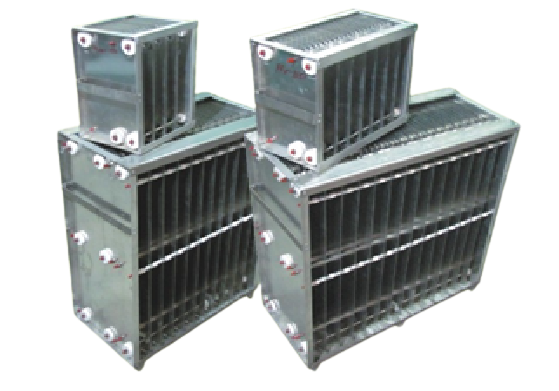
At its core, these systems make use of electrostatic filtration modules. Here’s a step by step breakdown of the stages of operation of the electrostatic filter modules used by Powertech Pollution Controls.

  1. Intake: The air consisting of pollutants like fumes and smoke is pulled into the system through the inlet.
  2. Charging Stage: The first stage of the filtration modules makes use of aluminium parallel plates where all the fine particles receive a heavy positive charge.
  3. Collection Stage: The second stage of the filters use a second set of more closely placed parallel plates which have alternating positive and negative charges. When the positively charged particles pass through this stage, they are pushed onto the negative plates where they get stuck.
  4. Release: The filtered air is then released either back into the shop floor or into the atmosphere, free of all fine particulate matter.

It is to be noted that the filtered particles remain stuck on the electrostatic plates even after the system is turned off due to residual static charge.

Benefits of an Electrostatic Filtration System

  1. High Efficiency: These system can capture particles that are up to 0.01 microns in size with 90 – 99% efficiency.
  2. Reusable Filters: These filters have a long life and only require minimum maintenance of occasional cleaning.
  3. Low Pressure Drop: Due to the use of parallel plates, the air passing through the filters have minimal obstruction and therefore, these system demonstrate a very low pressure drop between the inlet and outlet. 
  4. Lower Power Usage: the low pressure drop allows for higher capacity systems with lower power consumptions. These systems usually require only half the power of a similar system using a physical filter.
  5. Economic Benefits: The lower power usage, minimal maintenance requirements and negligible replacement costs, these systems can reduce running costs by about 30%.

Applications of Electrostatic Fume Extractors

These systems are typically used as one of the following:

  1. Welding Fume Extractor
  2. Soldering Fume Extractor
  3. Oil Mist Collector

They are typically used in welding and soldering stations, CNC machining centers, automotive workshops, electronics manufacturing and food processing units.

Electrostatic filters are the smart choice for industries that need clean air. They are effective, efficient and economically more viable over the long term.

Benefits of Using a Fume Extractor in Industrial Applications


The air quality inside modern workplaces stands equally important to the tasks employees perform. The production of dangerous fumes and smoke and dust and mist results from various industrial processes including welding and soldering and grinding and chemical processing. Uncontrolled pollutants create dangerous health risks for workers while shortening equipment life and establishing hazardous working conditions.

The solution to this problem are fume extractors.

A fume extractor functions as an essential component of air pollution control systems because it captures dangerous particles and gases at their origin before they can escape into the surrounding environment. These systems provide multiple valuable advantages to industrial operations. Let’s break down the major benefits of using a fume extraction system in industrial applications.

Protecting Worker Health:


Protecting the health of workers is one of the primary applications of a fume extractor. 

Industrial processes like welding, soldering, brazing etc release pollutants such as metal fumes, flux gases and fine particulate matter.

Inhaling these can lead to a range of health issues including:

  • Respiratory problems
  • Skin and eye irritation
  • Long-term illnesses like asthma or lung disease
  • Exposure to toxic metals such as lead or cadmium

By removing the pollutants right at the source, the air within the shop floor remains relatively clean and the risk of health hazards for employees are significantly reduced. Fume extraction systems are primarily used for this purpose.

Ensuring Regulatory Compliance


Meeting regulatory compliance laws are a must for most industrial processes.

In India, bodies such as the Central Pollution Control Board (CPCB) set the guidelines to be followed for companies to meet specific workplace and environmental safety.

In addition to meeting these regulations, installing an efficient fume extraction system can help to demonstrate a company’s commitment to responsible and sustainable operations.

Improving Air Quality in the Workspace


Improvement in air quality not only benefits worker health but a cleaner workspace in general. 

By using a welding fume extractor or soldering fume extractor, pollutants that would normally settle on the machines and other flat surfaces get extracted and filtered, leading to cleaner spaces.

Additionally, the cleaner air within the shop floor also helps improve visibility and creates a more comfortable working environment, leading to higher morale and better retention rates among employees.

Protecting Equipment and Reducing Maintenance


As previously mentioned, air borne contaminants can settle on machinery and cause significant harm. 

Pollutants like oil mist and fine dust can cause significant wear and tear on sensitive equipment which can lead to malfunctions and breakdowns over time. This delays the industrial processes and can cause significant increase in the maintenance costs. By using a fume extraction system to keep the air clean, companies can reduce maintenance costs, increase equipment life and reduce downtime.

Supporting Sustainable and Eco-Friendly Operations


Sustainability is a buzzword used very commonly in the industrial world and the expectation for companies to reduce their carbon footprint and environmental impact is ever growing.

It is obvious how air pollution control systems like fume extractors and dust collectors can contribute toward this goal.

The pros of using a good fume extraction system far outweigh the cons and the benefits of using these systems makes them essential for any modern industrial facility. We will continue to explore these systems along with specific applications and technologies. Stay tuned for more.