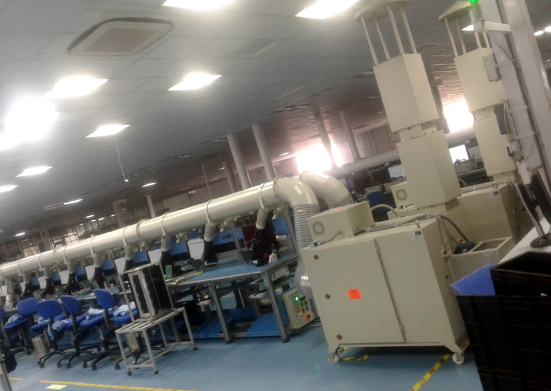
Air pollution from industries

Ensuring Clean Air and Efficiency: The Importance of Regular Maintenance in Filtration Systems

In an era where air quality and environmental health are paramount, understanding the significance of maintaining filtration systems in industrial, commercial, and residential settings is crucial. Regular upkeep of systems like fume extractors, mist collectors, dust collectors, and electrostatic filters not only ensures air pollution control but also prolongs the life and efficiency of these systems. Whether you are dealing with a welding fume extractor in a fabrication shop or a soldering fume extractor in an electronics assembly area, the importance of routine maintenance cannot be overstated.

Why is Regular Maintenance so Important?

  • Enhanced Air Pollution Control: Air pollution, comprising various airborne contaminants and particulates, poses significant health risks. Filtration systems like dust collectors and mist collectors are designed to trap these pollutants, ensuring cleaner, safer air. Regular maintenance ensures these systems continue to effectively remove harmful particles from the air, protecting both the environment and human health.
  • Prolonged Equipment Lifespan: Whether it’s a mechanical filter in an HVAC system or an electrostatic filter in a manufacturing facility, regular maintenance can substantially extend the lifespan of these units. Cleaning and replacing filters, checking for wear and tear, and ensuring that all parts are functioning correctly can prevent the costly downtime and expenses associated with premature equipment failure.
  • Optimized Performance and Efficiency: Fume extractors, including but not limited to welding and soldering fume extractors, perform at their peak when regularly serviced. Maintenance ensures that filters are not clogged and that the system isn’t overworking to compensate for reduced efficiency. This not only optimizes the performance but also minimizes energy consumption, leading to lower operational costs.
  • Compliance with Health and Safety Regulations: Regular maintenance of filtration systems helps in complying with local and international health and safety regulations. Industries are often required to keep air pollutants within certain levels, and failure to maintain equipment can lead to violations, fines, and even shutdowns.

Best Practices for Maintenance

  • Regular Inspection and Cleaning: Schedule regular inspections and cleanings of your filtration system. This includes checking for any blockages in the air ducts, ensuring that filters like mechanical filters are clean and functional, and that all components are in good working order.
  • Filter Replacement: The heart of any filtration system is its filter. Be it an electrostatic filter in a dust collector or a mechanical filter in a mist collector, replacing filters as per the manufacturer’s recommendations is crucial to maintain air quality and system efficiency. It is interesting to note here that electrostatic filters have a life span of over 15 years and require minimal replacement, if at all.
  • Monitoring System Performance: Keep an eye on the system’s performance. Any drop in efficiency could indicate a problem such as a full dust bin in a dust collector or a saturated filter in a fume extractor.
  • Professional Assessments: For complex systems like industrial-grade welding fume extractors or soldering fume extractors, having a professional periodically assess the system can identify potential issues before they become significant problems.

How can we help?

Now, we understand that all the above stated points while valid, can be a real hassle in terms of time and effort. This is where Powertech Pollution Controls really stands apart from our competitors. We are very proud of our efficient service team who will make it a point to schedule regular checks and maintenance for all the equipment we provide to our customers. We do this at no additional cost for the first 12 months from the date of installation of the system or 15 months from the date of delivery, whichever is earlier. Following this time, our clients are encouraged to take up our Annual Maintenance Contracts so that we can continue to maintain all systems to ensure maximum efficiency of performance.

Custom Solutions for Industry-Specific Pollution Control Needs

In today’s rapidly evolving industrial landscape, the need for efficient air pollution control cannot be overstated. Industries, in their quest for progress and production, often emit pollutants that pose significant threats to the environment and public health. Addressing these pollution concerns requires tailored solutions. Companies like Powertech Pollution Controls Pvt Ltd understand this necessity and have pioneered custom solutions catering to industry-specific requirements. This article dives deep into how specialized solutions, from fume extraction systems to mist collection, are revolutionizing the way industries manage pollutants.

The Spectrum of Pollution Challenges

Different industries present distinct pollution challenges. For example, the metal industry grapples with welding and soldering fumes, while woodworking industries battle with sawdust. Recognizing these differences is the first step toward effective air pollution control.

  • Welding & Soldering Operations: These release metallic fumes and gases. Welding fume extractors and soldering fume extractors are vital to ensure clean air and protect workers’ health.
  • Woodworking & Manufacturing Units: Fine dust particles are often released, demanding efficient dust extraction solutions.
  • Machining & Metalworking: These processes can produce oil mists, necessitating the need for efficient mist collection.

Custom Solutions by Powertech Pollution Controls Pvt Ltd

We have consistently been at the forefront of designing and manufacturing innovative solutions tailored to address the unique challenges posed by diverse industries.

  • Fume Extraction Systems: Our state-of-the-art electrostatic fume extraction systems not only tackle welding and soldering fumes but are also adept at handling chemical fumes and vapours. They ensure that harmful gases are swiftly removed from workspaces, guaranteeing a safer environment.
  • Dust Extraction: The company’s dust collectors are a testament to their commitment to safeguarding the environment. Designed for maximum efficiency, these systems capture fine particles, preventing them from becoming respiratory hazards or environmental contaminants.
  • Mist Collection: Powertech’s mist collectors stand out due to their advanced design, ensuring that even the finest mist particles are effectively removed. This is crucial in metalworking industries where oil mists can pose significant health risks and degrade air quality.

Why Custom Solutions Matter

Standardized solutions, though effective to an extent, may not offer optimal performance for specialized industrial needs. Custom solutions like those provided we provide address specific industry challenges with precision.

  • Efficiency:Custom-designed systems ensure that the exact type and amount of pollutants are managed effectively, optimizing energy use and guaranteeing clean air.
  • Longevity: Tailored solutions tend to have a longer operational life since they’re designed for specific challenges, reducing wear and tear.
  • Cost-Effective: In the long run, custom solutions, by virtue of their efficiency and longevity, prove to be more cost-effective than generic systems.

Conclusion

Air pollution control is not just about meeting regulatory standards; it’s about protecting the planet and ensuring the health and safety of workers. In this context, the approach of companies like Powertech Pollution Controls Pvt Ltd, where we emphasize custom solutions for each requirement, from fume extractors to dust and mist collectors, sets a benchmark for industries worldwide. As industries evolve, so too must the solutions that keep their environmental impact in check. Customization is not just a luxury—it’s a necessity for sustainable industrial progress.

Electrostatic vs Mechanical Filtration: A Comparative Study

The pressing need for cleaner, breathable air has given rise to numerous air pollution control mechanisms. Amidst this arsenal of tools, two stand out due to their popularity and efficiency: electrostatic filtration and mechanical filtration. Both these systems have their unique advantages, especially when applied to environments where pollutants like fumes from welding or soldering are prominent. This article delves into the comparative study of these two filtration techniques, shedding light on their mechanisms, applications, and suitability.

Mechanical Filtration: The Basics

Mechanical filtration operates on a simple principle: physically trapping particles using a filter. The air, laden with contaminants, is forced through a medium-often a fibrous material-where the pollutants are physically trapped. One of the most common applications of this technology is seen in the welding fume extractor and soldering fume extractor systems, where metal fumes and particulates are effectively removed to safeguard workers’ health.

Advantages:

  • Straightforward in design and operation.
  • Can trap large particles effectively.
  • Readily available and widely used in multiple industries.

Limitations:

  • The efficiency can drop as the filter gets clogged.
  • Regular maintenance and filter replacements are needed.
  • May not effectively remove ultra-fine particles.
  • Requires a higher power consumption because of the larger pressure drop.

Electrostatic Filtration: Charged Cleaning

Electrostatic filtration harnesses the power of electrical charges to remove pollutants. As the air passes through, particles are ionized (given a charge). These charged particles are then attracted to oppositely charged plates, ensuring they do not re-enter the atmosphere. This system is particularly efficient when it comes to capturing smoke, mist, and fine particulates, making it an optimal choice for a fume extractor in environments with volatile pollutants.

Advantages:

  • High efficiency of 90–95% in capturing small particles.
  • Less airflow resistance, resulting in significant energy savings.
  • Long-lasting filters with little to no replacements in the lifetime of the system.

Limitations:

  • Efficiency can be affected by humidity and certain types of particles.
  • Initial costs may be higher than mechanical filters.

Which is Right for You?

Choosing between electrostatic and mechanical filtration often hinges on the specific application and the nature of the pollutants.

For environments like welding or soldering stations where there’s a mix of large and ultra-fine particles, a hybrid approach might be ideal. For instance, utilizing a welding fume extractor with mechanical filters to capture larger debris and an electrostatic stage to handle the finer particulates can offer comprehensive air pollution control.

On the other hand, in environments where ultra-fine particles dominate, an electrostatic fume extractor is the best bet, offering high efficiency and longer-lasting filtration.

Conclusion:

Both electrostatic and mechanical filtration have their places in the toolkit of air pollution control. Understanding the nuances of each, their strengths, and limitations, is key to deploying the right solution for your environment. Whether you’re soldering delicate electronics or welding large metal structures, there’s a filtration solution optimized for your needs.

With the increasing importance of ensuring clean, pollutant-free air in our workspaces, investments in efficient and effective filtration systems are not just beneficial but crucial. Make sure to consider the type of pollutants, their sizes, and the frequency of exposure when making your choice between these two stalwarts of filtration technology.

The Implications of Air Pollution in Factories and Shop Floors: An Analysis for Industry Leaders

To the esteemed leaders of the automotive, engineering, and manufacturing sectors,

The matter at hand is of utmost significance to industries that pride themselves on operational excellence and a commitment to the welfare of their employees. We address the pressing concern of air pollution within factories and shop floors.

  1. Health Concerns for the Workforce: Employees, the backbone of any successful operation, are at substantial risk in environments with suboptimal air quality. The persistent exposure to particulate matter, chemical pollutants, and biological agents may lead to chronic respiratory conditions, cardiovascular diseases, and even oncological complications. It is imperative to ensure the health and safety of those who contribute daily to the growth of the industry.
  2. Compromised Product Integrity: Air pollution can have direct implications on the quality of output, particularly in sectors such as food manufacturing. Contamination due to airborne pollutants can undermine product safety and tarnish the organization’s reputation in the marketplace.
  3. Deterioration of Machinery: The intrusion of dust and particulate matter into machinery can expedite their degradation. Such pollutants not only affect the machinery’s performance but also result in escalated maintenance costs and reduced operational longevity.
  4. Regulatory Challenges: As international standards become increasingly stringent, industries face a heightened regulatory scrutiny. Non-compliance with air quality norms can lead to significant financial penalties and reputational risks.

Recommendations for Mitigation:

Addressing this concern requires strategic intervention. Below are some recommended measures:

  • Continuous Air Quality Monitoring: It is advisable to deploy sophisticated monitoring systems to assess air quality within facilities, providing real-time insights.
  • Enhanced Ventilation and Filtration: Proper ventilation coupled with industrial-grade air filtration systems can substantially decrease pollutant concentrations.
  • Routine Equipment Assessments: Periodic inspections are necessary to ensure machinery does not exceed pollutant emission thresholds.
  • Employee Training: It is essential to periodically educate the workforce about the significance of maintaining optimal air quality and the associated best practices.

How can We Help?

While we are unable to aid in terms of air quality monitoring or equipment assessments, we are more than capable of providing solutions for enhanced ventilation and filtration. Powertech Pollution Controls Pvt Ltd is a company with over 25 years of experience in the design and development of systems for air pollution control. Our products include a wide range of air pollution control equipment like welding fume extractors, soldering fume extractors, mist collectors and dust collectors. These are marketed under the brands of FumeKiller®, DustBag® and MistKiller™ and have been successfully implemented in multiple applications the capture and control of air pollutants like fumes, smoke, mist and dust.

In Conclusion:

The matter of air pollution within factories and shop floors, while often overshadowed by other operational challenges, is pivotal in the contemporary industrial landscape. As industries transition towards sustainability and heightened responsibility, addressing air quality becomes not just an operational imperative, but a moral one.

Your attention to this matter will undoubtedly contribute to a healthier industry, both in human and operational terms. For any enquiry regarding our air pollution control systems, Get in Touch with us today and we will work with you to design a suitable solution for your requirement.

Respectfully,

Philip Thomas

Managing Director, Powertech Pollution Controls

Dangers of welding fumes and protecting health of welding operators

Introduction:

Welding plays a crucial role in creating strong and durable metal joints and is a critical process in multiple industries ranging from construction and manufacturing to automotive and aerospace. However, there is a significant health risk that is posed to the operators because of the toxic fumes generated during the welding process. In this post, we explore the dangers of welding and potential solutions to avert these dangers and create a cleaner and safer working environment for welding operators.

The Hidden Dangers of Welding Fumes:

Welding involves joining of metal joints using high levels of heat and the process itself can generate a significant volume of harmful and potentially toxic fumes and gases. Some of the most common types of welding fumes include:

  1. Metal Fumes: Tiny particles of metal become airborne during the welding process. These particles may include hazardous elements like Chromium, Lead, Cadmium and Manganese.
  2. Gases: Various gases, such as Nitrogen Oxides, Carbon Monoxide and Ozone can form during the welding process. Prolonged exposure to these gases can have serious side effects in the long term.
  3. Volatile Organic Compounds (VOCs): Organic compounds like benzene and formaldehyde that are released during welding are known carcinogens.
  4. Particulate Matter: Other than metals, there may also be other microscopic particulate matter in the fumes generated from welding. These particles can be inhaled and can cause long term respiratory issues and lung disorders.

The Effects on the Health of Welding Operators:

The potential health risks to welding operators who are exposes to fumes over extended periods are multiple and can be quite severe. Some of the more commonly observed issues include:

  1. Respiratory Problems: In the short term, problems like cough and irritation of the throat is quite common when exposed to welding fumes. However, prolonged exposure can lead to severe chronic conditions including bronchitis, asthma and even lung cancer.
  2. Neurological Effects: Long term exposure to Manganese in the welding fumes can lead to a condition known as “Welder’s Disease” or Manganism, a condition resembling Parkinson’s Disease, with symptoms like tremors and difficulty with movements for those affected.
  3. Metal Poisoning: As explained earlier, welding fumes can contain a multitude of heavy metals like Chromium and Lead. These can accumulate in the body over time and lead metal poisoning and severe health complications.
  4. Eye and Skin Irritation: A commonly observed effect of welding fumes is irritation of the skin and eyes which are usually short term issues but can potentially cause problems in the long terms as well.
  5. Reproductive and Developmental Disorders: Some studies suggest that fertility issues and developmental disorders in unborn children may be linked to prolonged exposure to welding fumes.

How to Protect the Workers in the Shopfloor?

Given the serious health hazards that are posed by welding fumes along with the obvious environmental effects, creating a clean and safe working environment for welding operators becomes a crucial task. One of the most effective methods of achieving this goal is to implement a fume extraction system for welding fumes. Here are some of the benefits of using a fume extractor.

  1. Worker Safety: The most immediate and obvious result would be providing a clean and safe workspace for the welding operators.
  2. Regulatory Compliance: Many countries have introduced strict regulations regarding workplace safety and air quality. Installing a welding fume extractor would be the quickest way to comply with these regulations.
  3. Improved Productivity: Clean air leads to a healthier workforce, which would thereby create a potential for improved productivity and operational efficiency.
  4. Cost Savings: This is more of an indirect effect where the cost of healthcare expenses and potential legal liabilities can be minimized.
  5. Environmental Responsibility: While preventing welders from being exposed to welding fumes, a fume extractor would also ensure cleaner air within the shopfloor, to a certain degree.

How can We Help?

Here at Powertech Pollution Controls, we have over 25 years of expertise in providing solutions for issues related to air pollution control. The FumeKiller® is an electrostatic filtration system and as the name suggests, its primary function is as a fume extractor. It finds use in processes like welding, soldering, brazing and even as an oil mist collector for CNC machining operations.

As a welding fume extractor, the FumeKiller® unit can be placed in a fixed location with a suction hood placed between 6 – 8 inches from the fume generation point for effective and efficient extraction of fumes. Alternatively, in situations where the welding location may change, the unit may also be manufactured in a vertical orientation with wheel mounting and equipped with our Flexible Extractor Arm, to be used as a portable fume extractor. It is a matter of great pride for Powertech that over the years, we have been able successfully implement the FumeKiller® unit as a welding fume extractor over a wide range of applications for a multitude of clients. In spite of our vast experience, we continue to approach each new project as a unique requirement and design each solution accordingly.

Conclusion:

It is important to recognize that the risks posed by the toxic fumes produced during welding processes are numerous and potentially severe. If welding operators are not sufficiently protected from these threats, they run the risk of serious health problems. Fume extraction systems are essential for protecting worker health and ensuring regulatory compliance, and not merely as a suggested safety measure. By investing in fume extraction systems like our FumeKiller® unit, businesses can prioritize employee health and safety while simultaneously fostering environmental. In the end, safeguarding employees from the unseen dangers of welding fumes is not only a moral obligation, but a wise business move as well. If you have a requirement for a fume extraction system, Enquire Now and our team will get in touch with you to work out the best possible solution.