Fumekiller mounted on a pipe stand being used with a partial enclosure for extraction of mist generated during centerless grinding application.

FumeKiller® for Mist Extraction in Centerless Grinding Application

Improving Air Quality in Precision Grinding

Centerless grinding is a common process in precision machining, but it produces significant amounts of coolant mist. This mist can spread through the shop floor, affecting worker health, lowering visibility, and settling on nearby machines. To address these challenges, Powertech Pollution Controls provided a FumeKiller® unit, which is typically used as welding fume extractor or soldering fume extractor, to capture and control the mist generated during the grinding process.

The Challenge: Mist from Grinding Operations

During centerless grinding, high-speed wheels and coolant sprays create a fine mist that is difficult to control with general ventilation alone. Without proper capture, this mist spreads across the work area, creating slippery surfaces and increasing maintenance needs. The client required a solution that could directly control mist at the source without disrupting production.

The Solution: FumeKiller® with Partial Enclosure

Powertech installed a FumeKiller® to be used as a mist collector for this application. To improve efficiency, the mist generation source was partially enclosed using plastic curtains, which helped contain the mist in a smaller area. The extractor was then connected to this enclosure, ensuring that most of the mist was captured before it could escape into the shop floor.

Key Features of the Setup

  • FumeKiller® Electrostatic Mist Collector: Designed to capture fine coolant mist particles.
  • Partial Enclosure: Plastic curtains prevented mist from spreading and improved collection efficiency.
  • Direct Source Capture: The suction point was placed close to the grinding zone for maximum performance.
  • Cleaner Work Area: Reduced surface contamination and improved overall air quality.

The Outcome: Cleaner and Safer Operations

The combination of the FumeKiller® and partial enclosure significantly reduced mist levels around the grinding station. Workers experienced cleaner air, safer floors, and better visibility. Machines near the grinding area also remained cleaner, lowering downtime and improving reliability.

Conclusion

Mist control is a critical need in centerless grinding applications. By using a FumeKiller® with a partial enclosure, Powertech delivered an effective solution that improved workplace safety and productivity. This project shows how tailored solutions can address the unique challenges of different machining processes.

Portable Welding Fume Extractor in Action

Air Quality Improvement in Automotive Workshops with Fume Extractors

Why Air Quality Matters in Automotive Workshops

Automotive workshops handle welding, soldering, painting, and engine testing on a daily basis. These processes release fumes, smoke, dust, and oil mist that pollute the air. Poor air quality not only affects worker health but also reduces productivity and can damage sensitive tools. Using a proper fume extraction system is the most effective way to improve air quality in these workshops.

Sources of Air Pollution in Workshops

Workshops generate different types of airborne pollutants depending on the activity:

  • Welding and Soldering release metal fumes and smoke.
  • Grinding and Cutting produce fine dust that spreads across the workspace.
  • Painting and Spraying release volatile organic compounds (VOCs).
  • Engine Testing generates exhaust gases that are harmful when concentrated indoors.

Without proper extraction, these contaminants linger in the workshop and increase the risks for both workers and customers.

How a Fume Extractor Can Help

Fume extractors are designed to capture and filter out pollutants at the source before they spread into the air. In automotive workshops, they are used to handle:

Welding Fumes

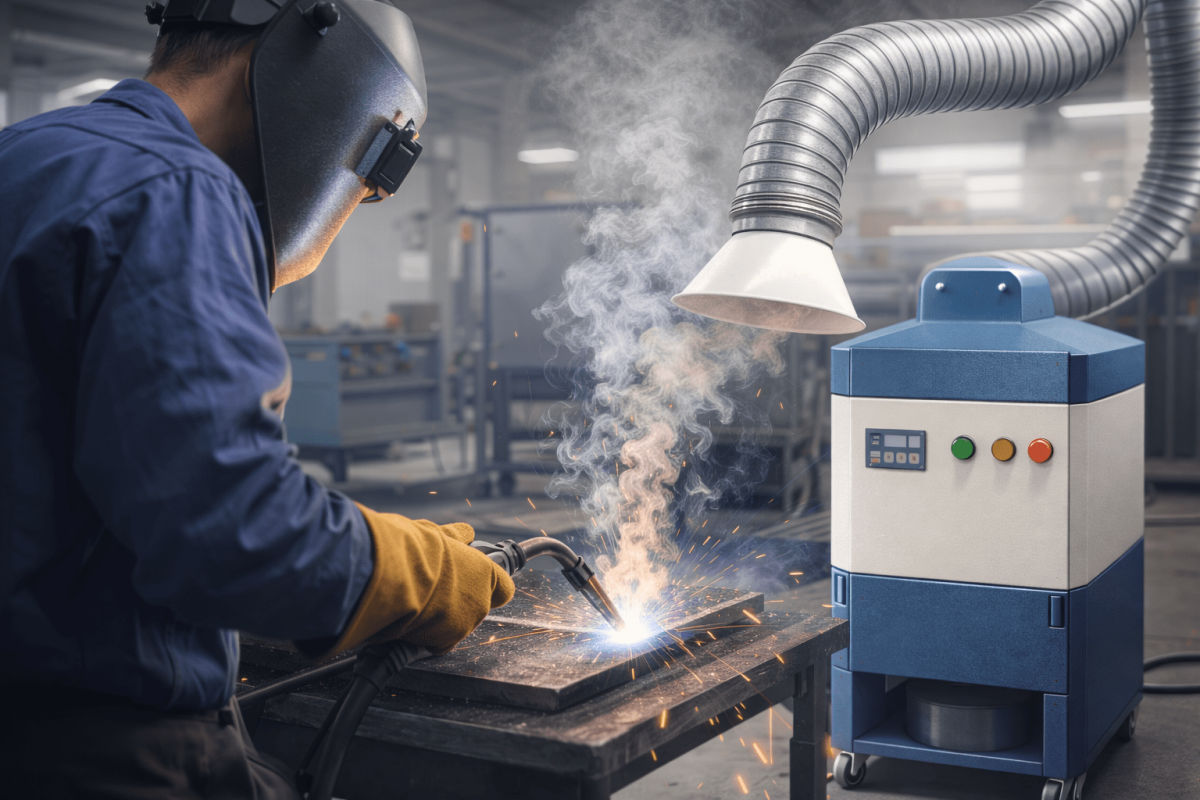
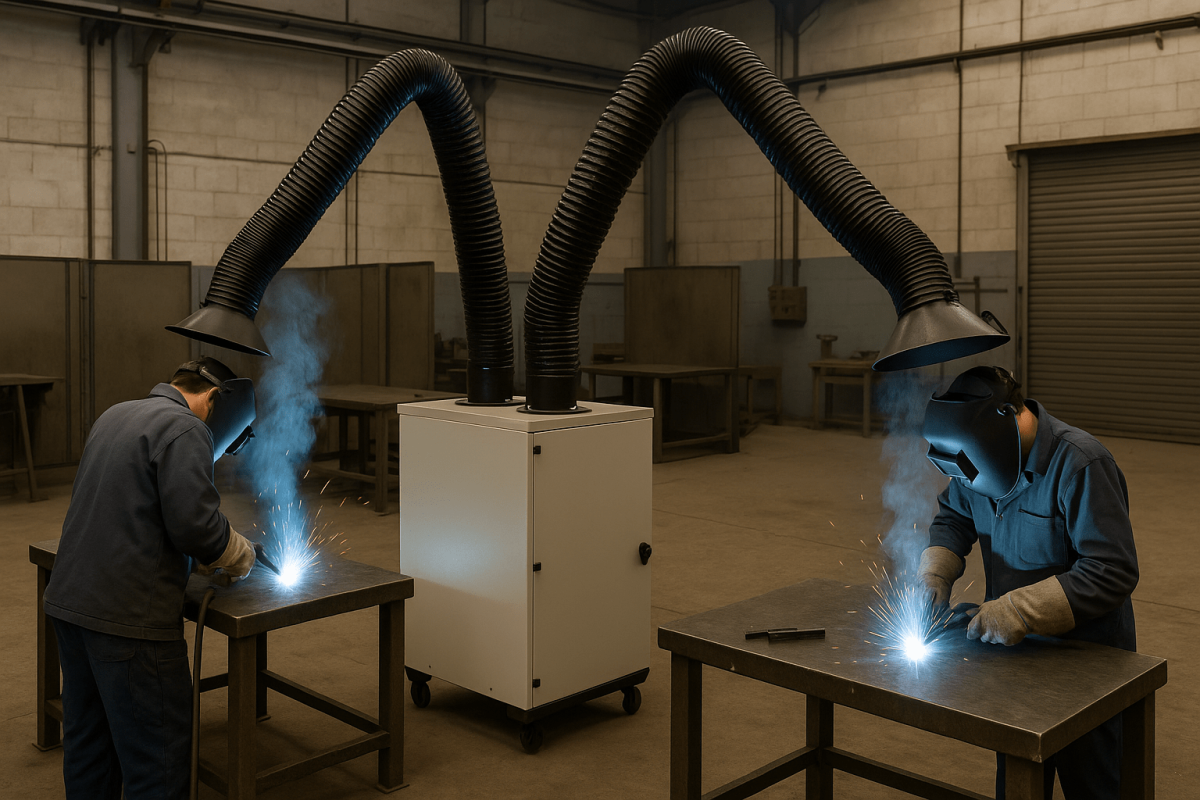
A fixed welding fume extractor or a portable fume extractor with flexible arms can be placed near welding stations to capture fumes directly at the source.

Soldering Fumes

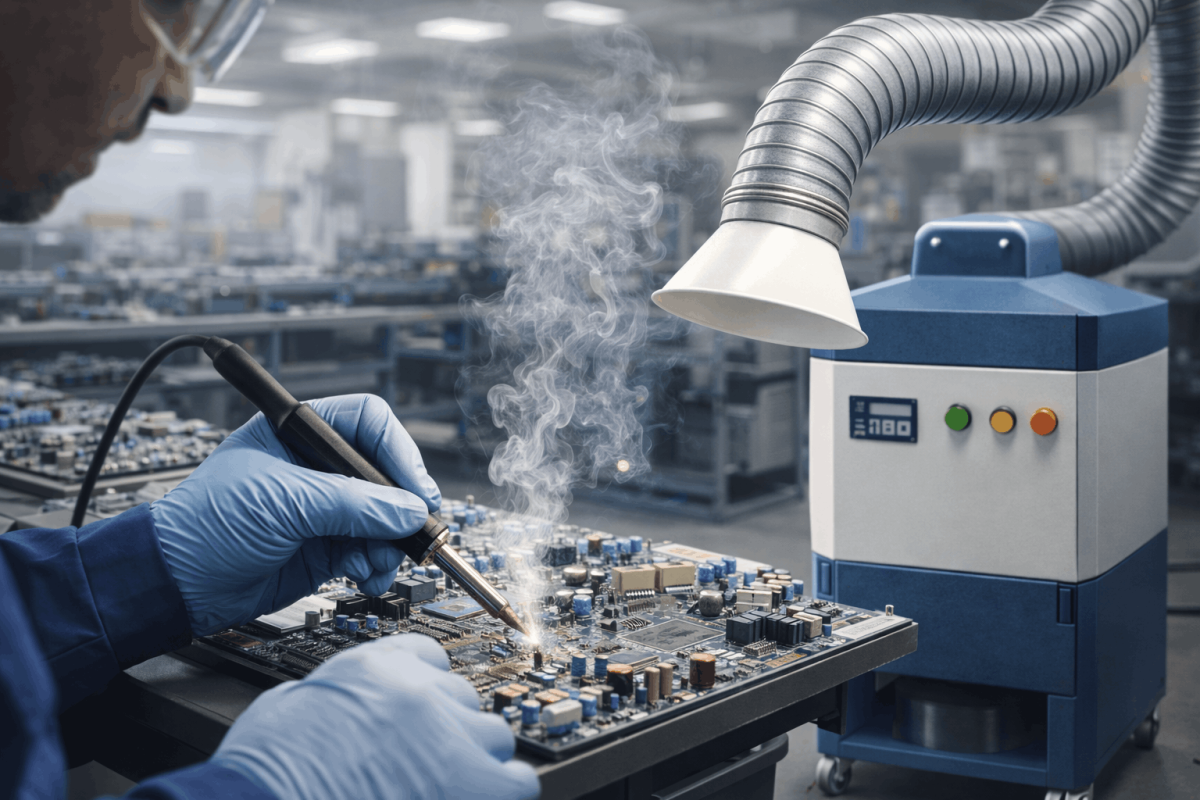
A soldering fume extractor can be used with the suction hood(s) placed 6 – 8 inches from the fume generation point. These fume extractors are much smaller as compared to welding fume extractors.

Dust from Grinding

A dust collector can remove fine particles created during grinding and polishing work, keeping surfaces and equipment cleaner.

Oil Mist and Smoke

Electrostatic mist collectors capture oil mist from machining and smoke from certain repair processes.

Exhaust Gases

Specialized fume extraction systems capture and vent engine exhaust gases, preventing buildup inside enclosed workshops.

Benefits of Cleaner Air in Automotive Workshops

  • Health Protection: Workers are protected from respiratory issues, skin irritation, and long-term health problems.
  • Improved Safety: Cleaner air reduces the chance of accidents caused by slippery floors or poor visibility.
  • Longer Equipment Life: Dust-free environments prevent buildup on sensitive tools and machines.
  • Regulatory Compliance: Meeting workplace air quality standards avoids fines and improves professional reputation.
  • Higher Productivity: Healthy workers and cleaner environments improve efficiency and reduce downtime.

Conclusion

Air quality is a critical factor in the performance and safety of automotive workshops. Fume extractors provide an effective way to control welding fumes, grinding dust, oil mist, and exhaust gases. By investing in proper fume extraction systems, workshops can create safer workplaces, extend the life of their equipment, and ensure compliance with environmental standards.

FumeKiller from Powertech Pollution Controls

How Powertech’s FumeKiller® Supports Sustainable Manufacturing

Clean Air Solutions for a Greener Industry

Sustainable manufacturing focuses on reducing environmental impact while maintaining productivity and efficiency. Air quality is a key part of this effort. Welding, soldering, and machining generate fumes and fine particles that affect both workers and the environment. The FumeKiller® series from Powertech Pollution Controls is designed to control these emissions at the source, making it an important tool for industries committed to sustainability.

Capturing Pollutants at the Source

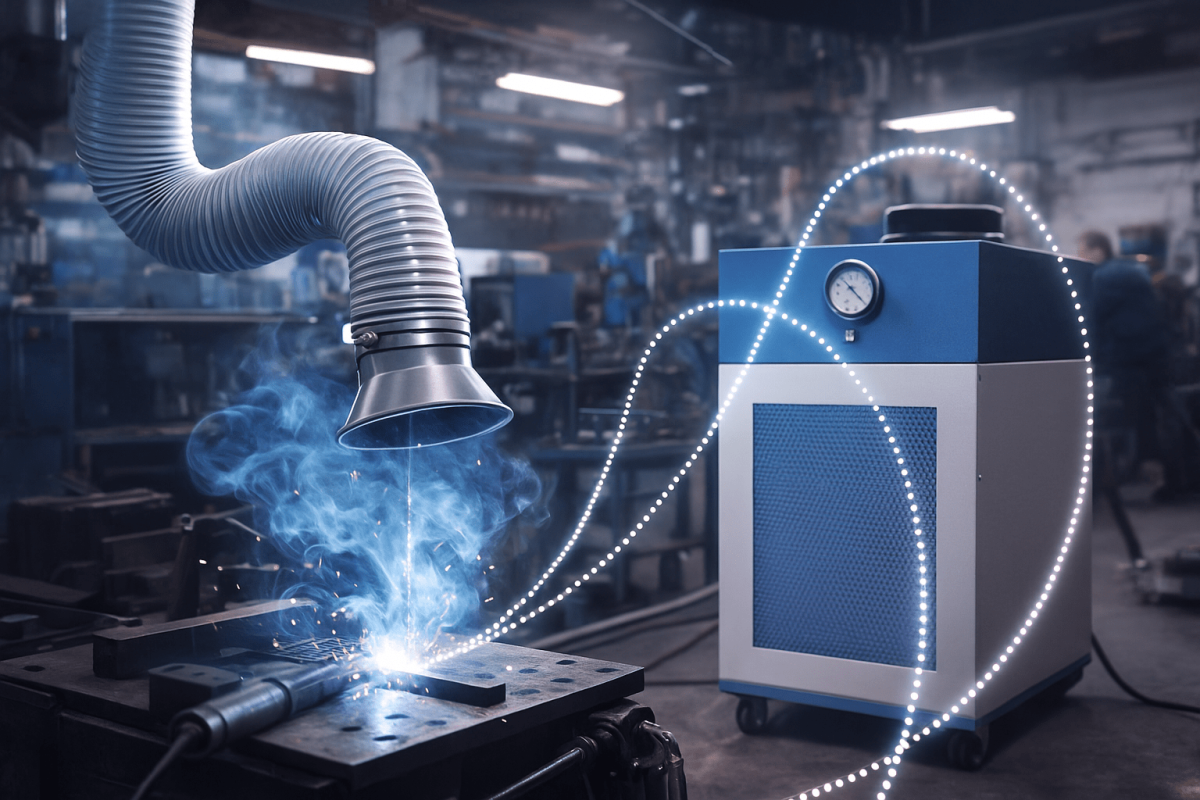
FumeKiller® systems use electrostatic filtration to function as a welding fume extractor, soldering fume extractor or even as an oil mist collector. By removing these pollutants before they spread through the workspace, the system reduces the release of harmful emissions into the atmosphere. This targeted approach supports cleaner production and aligns with sustainable manufacturing practices.

Reducing Waste with Reusable Filters

Unlike disposable filter units, FumeKiller® systems feature reusable collection cells. These cells can be washed and reused multiple times, cutting down on waste generation. This design lowers the need for frequent filter replacements, helping companies reduce material usage and support circular resource management.

Energy-Efficient Operation

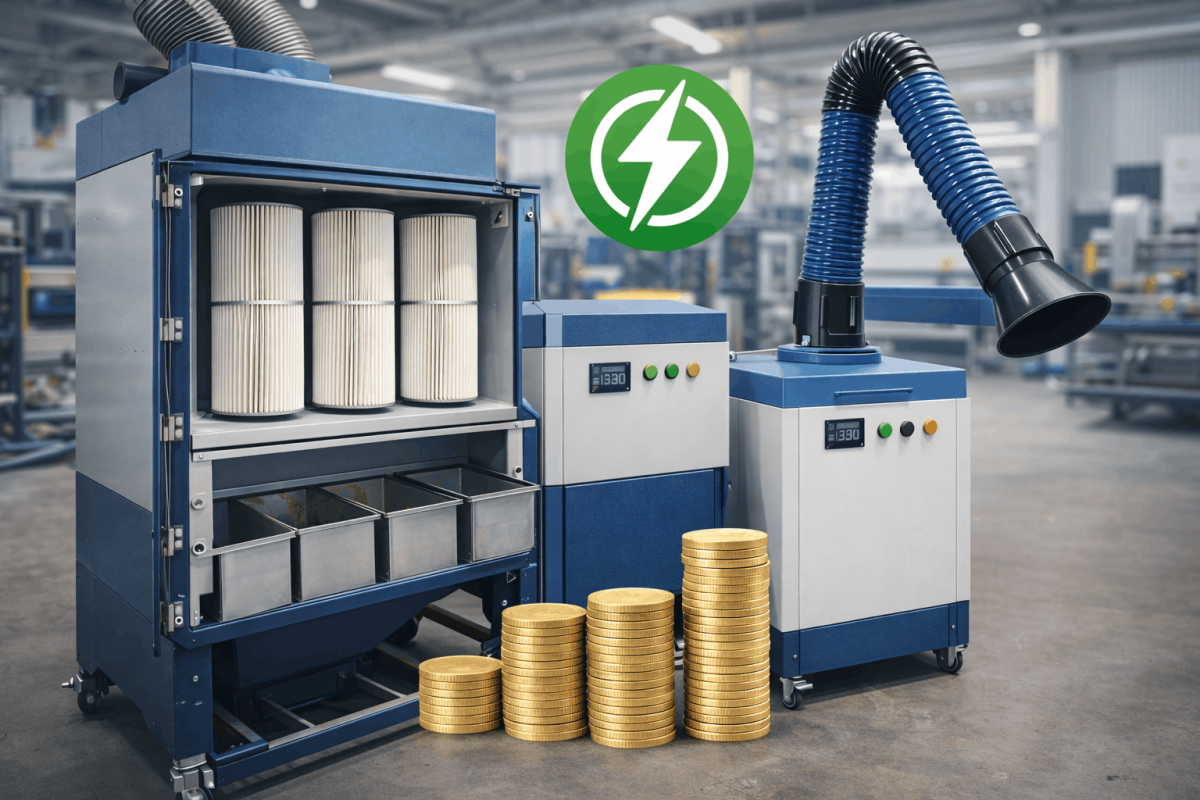
Energy use is a major factor in sustainability. As a fume extraction system, FumeKiller® is designed to provide high-efficiency filtration without large pressure drops, which means the fan motor uses less power to move air. Over time, this reduces the facility’s energy footprint and lowers operating costs.

Creating a Safer Workplace

Worker health and safety are part of sustainable development goals. By capturing fumes and fine particles, the FumeKiller® improves indoor air quality, reduces health risks, and contributes to a healthier workforce. Fewer sick days and a cleaner environment also support higher productivity.

Supporting Compliance and Green Goals

Environmental compliance is a core part of sustainable manufacturing. FumeKiller® units help companies meet workplace safety standards and environmental rules, including CPCB requirements. At the same time, they demonstrate a company’s commitment to green initiatives, making them more attractive to clients and stakeholders who value sustainability.

Conclusion

Powertech’s FumeKiller® is more than a fume extractor. It is a clean air solution that helps industries adopt sustainable practices by reducing emissions, lowering waste, saving energy, and protecting workers. For manufacturers working toward greener operations, the FumeKiller® offers both immediate and long-term benefits.

Air Pollution Risks in Food Production and How to Prevent Them

Understanding Air Quality Challenges in Food Production

Food production facilities must meet strict hygiene and safety standards. While focus is often placed on controlling contamination from raw materials and handling, air pollution inside the facility can be just as harmful. Dust, fumes, vapors, and other airborne particles can affect product quality, worker health, and compliance with regulations.

Common Sources of Air Pollution in Food Production

Several processes in food production like mixing and grinding can release various airborne pollutants.

  • Dust from Raw Materials: Grains, flour, sugar, spices, and powdered ingredients release fine dust during handling, mixing, or packaging. This dust can linger in the air and settle on products and equipment. Additionally fine dust from particles like sugar can be hygroscopic and absorb the atmospheric moisture, making it sticky and difficult to clean.
  • Steam and Cooking Vapors: Cooking processes when used in food production can generate steam, oil vapors, and sometimes smoke. Without a proper ventilation system, these pollutants can create condensation, increase humidity, and spread odors within the shopfloor. Additionally, the commonly used equipment like boilers and baking ovens can release gases like carbon dioxide, carbon monoxide and nitrogen oxides.
  • Cleaning and Sanitizing Chemicals: Cleaning processes are done regularly in food processing plants to ensure high levels of cleanliness during the production. Many cleaning agents release fumes that can be harmful if inhaled. Over time, exposure can affect both worker health and the quality of stored products.

Risks of Poor Air Quality in Food Production

Poor air quality can lead to several problems in food production facilities:

  • Product Contamination: Generated dust particles can settle on the raw material used in food production. This can lead to contamination of the final product, affecting taste, texture and safety.
  • Health Issues for Workers: Dust, fumes, or chemical vapors can cause respiratory irritation or long-term health problems.
  • Equipment Damage: Dust and moisture buildup can reduce machine efficiency and lifespan.
  • Lack of Visibility: The floating dust generated during the processes can spread across the shopfloor and severely affect the visibility.
  • Regulatory Non-Compliance: Failure to meet air quality standards can result in penalties or production shutdowns.

How to Prevent Air Pollution in Food Production

  • Install Effective Dust Collection Systems: Making use of a dust collector that employs bag filters or, if necessary, a reverse-pulsed jet dust collector. These systems are capable of capturing fine particles from various food production processes. Additionally a reverse-pulsed jet system is a self-cleaning dust collector which requires less maintenance.
  • Use Proper Ventilation for Cooking Areas: Local exhaust hoods and fume extraction systems can remove steam, smoke, and oil vapors before they spread into the workspace.
  • Control Chemical Fumes: When using cleaning agents, ensure proper ventilation or make use of a chemical fume extractor to keep chemical vapors at safe levels.
  • Maintain Combustion Equipment: Regular inspection and maintenance of ovens, boilers, and burners prevent leaks and ensure that gases are vented safely.
  • Regular Air Quality Monitoring: Testing air quality helps identify problem areas and ensure that control systems are working effectively.

Conclusion

Air pollution in food production is a serious risk to product safety, worker health, and regulatory compliance. By identifying the sources of pollution and installing the right control systems, facilities can maintain clean air, protect their workforce, and ensure the quality of their products. Effective air management is not just a safety requirement — it is a key part of maintaining trust and efficiency in food manufacturing.

How to Design a Fume Extraction Layout for Your Facility

Planning for Clean Air in Industrial Workspaces

An efficient fume extraction system is critical in industries where the different processes release harmful airborne pollutants. For such areas, a well-planned fume control system and layout ensures cleaner air and also improves safety, reduces health risks and keeps equipment in a better condition. However, creating such a well planned system requires meticulous planning based on the workflow, equipment and type of pollutants.

Assessment of the Site and Operation

The first step is to understand the layout of the facility and identify the points where fumes are generated. A detailed walkthrough of the workspace can help to list out areas where fumes, smoke, mist, or dust are generated. Identify high-risk zones like welding bays, soldering stations, CNC machines, and chemical mixing areas. Knowing the exact locations of pollutant sources helps determine where extraction systems should be placed.

Choose the Right Type of Extraction System

The choice of system depends on the type and volume of fumes you need to remove. Common options include:

  • Local Exhaust Systems
    • These systems capture fumes right at the source using hoods or arms. They are best for targeted processes like soldering, welding, or grinding.
  • Centralized / Semi-Centralized Ducted Systems
    • These use ductwork to connect multiple workstations to a central filtration unit. Ideal for large facilities where multiple operations run simultaneously.
  • Portable Units
    • For smaller setups or mobile applications, portable fume extractors offer flexibility and ease of use.

Map the Airflow Path

Plan how the contaminated air will move through the system. The airflow should move directly from the fume source to the extraction unit without obstruction. Avoid long, winding ducts that create resistance and reduce suction power. Keep duct lengths short and use smooth bends to improve airflow efficiency.

Position the Extraction Points Properly

Place the suction hood or fume extraction arm as close as possible to the fume generation point. Ideally, the fumes should be captured before it can spread into the general breathing space and atmosphere within the shopfloor. The suction hood should be placed as close as possible to the generation point without disturbing the operation, ideally within 8 – 10 inches. This is to ensure maximum efficiency of extraction of the fumes and smoke. For example, a welding fume extractor will require that the hood be placed within 10 inches to avoid disrupting the operation but a soldering fume extractor can have the hood placed up to 6 inches from the fume generation point.

Choose the Right Filter Type

Different applications require different filters:

  • Use HEPA filters for very fine dust or particles.
  • Use electrostatic filters for smoke and mist from oil-based processes.
  • Use carbon filters for chemical vapors or odors.

Make sure the filtration system matches the type of air pollutants your processes generate.

Ensure Proper Exhaust or Recirculation

Decide whether the filtered air should be vented outside or recirculated back into the workspace. Recirculation saves energy but should only be used when the air is thoroughly cleaned. Venting outside is recommended when dealing with chemical fumes or where regulations demand it.

Allow for Maintenance and Accessibility

Design the system so that all filters, hoods, and ducts are easy to access for cleaning and servicing. Avoid placing ducts behind heavy equipment or in tight corners. Regular maintenance ensures the system runs efficiently and avoids breakdowns.

Follow Local Safety and Air Quality Regulations

Make sure your layout meets safety codes and environmental rules. Different regions have different standards for air quality and workplace ventilation. Consulting with a qualified air quality expert or supplier ensures compliance from the start.

Conclusion

Designing a layout for a fume extractor is not just about placing machines and ducts. It requires a clear understanding of where pollutants are generated, how air moves through the space, and how to capture it effectively. A well-designed layout protects your workers, keeps your processes clean, and helps your business stay compliant with health and safety standards. Planning your layout right from the beginning will lead to long-term savings and a healthier work environment.