Flat-style infographic showing four key lifecycle cost components of air pollution control equipment — Initial Cost, Operating Cost, Maintenance Cost, and Compliance Cost — each represented with simple icons in orange panels.

Lifecycle Cost Analysis of Air Pollution Control Equipment

Why Lifecycle Cost Matters More Than Initial Cost

Most industries focus on the purchase price when selecting air pollution control equipment. However, the real expense comes from operating, maintaining, and servicing the system over several years. A lifecycle cost analysis (LCCA) helps companies evaluate the total cost of ownership and choose equipment that offers long-term savings and performance.

For systems such as fume extractors, dust collectors, and mist collectors, understanding lifecycle cost is essential to keeping operations efficient and compliant with air quality standards.

1. Initial Equipment Cost

What It Includes:

  • Purchase price
  • Installation cost
  • Ducting and electrical work
  • Optional accessories (flexible arms, hoods, etc.)

Why It’s Only One Part of the Equation:

A lower upfront cost may seem attractive, but ongoing maintenance and frequent filter changes can make the system more expensive in the long run.

2. Operating Costs

Key Operating Expenses:

  • Power consumption
  • Fan and motor performance
  • Extraction capacity over time

Systems like Powertech’s FumeKiller® run with stable airflow and low power usage, reducing operational costs year after year.

3. Maintenance Costs

What Drives Maintenance Costs:

  • Filter replacements
  • Cleaning frequency
  • Downtime for servicing

Electrostatic systems such as FumeKiller® and MistKiller® have washable components, reducing the cost of consumables and minimizing downtime. Over several years, this creates substantial savings.

4. Filter Replacement Costs

Why This Is Important:

Many mechanical systems use HEPA or cartridge filters that require frequent replacement. These recurring costs add up quickly.

Cost Advantage With Electrostatic Filtration:

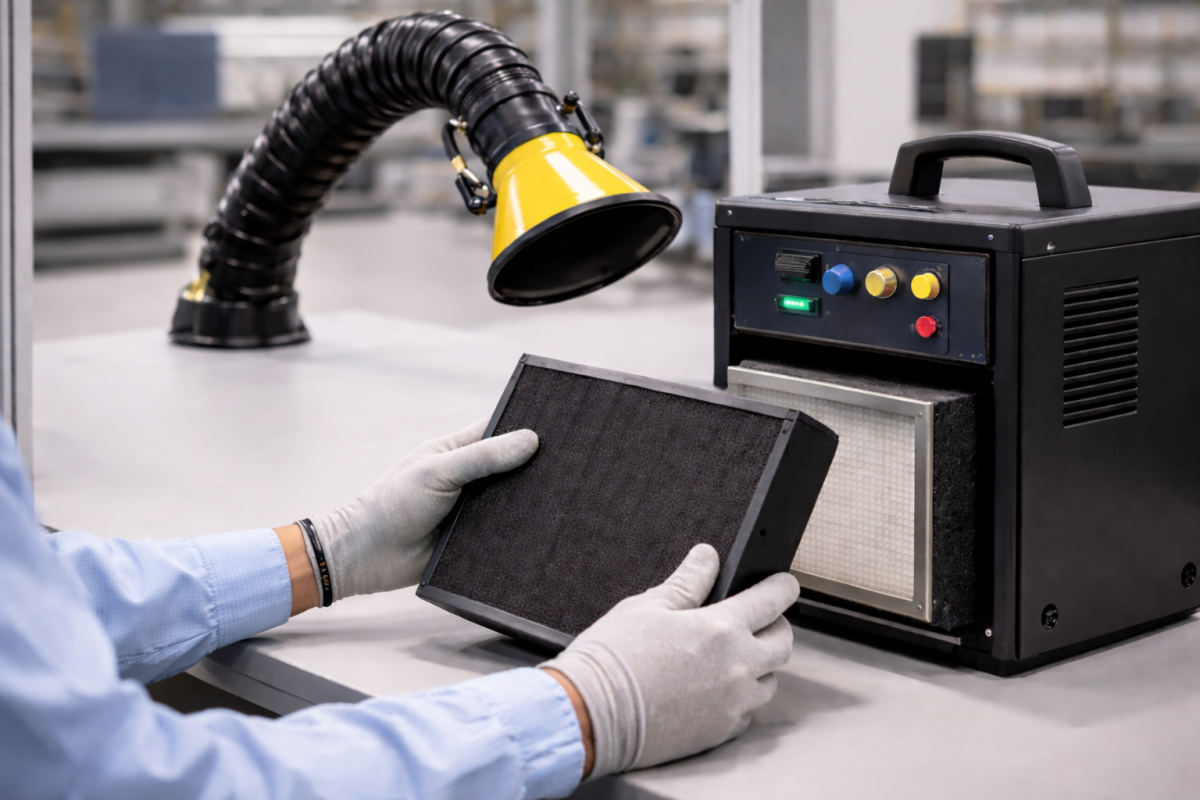
Electrostatic filters used in Powertech systems are reusable. This reduces long-term expenses for industries using:

5. Downtime and Productivity Loss

How Poor Filtration Increases Costs:

If systems fail or clog often, production stops for cleaning and repair. Each hour lost increases the actual cost of ownership.

Reliable units help maintain uninterrupted operations.

6. Compliance Costs and Penalties

Why Compliance Matters:

Failing to meet CPCB air quality norms may result in penalties, legal action, or forced shutdowns. High-quality extraction systems reduce this risk.

Investing in robust air filtration helps industries avoid compliance-related costs altogether.

Q&A: Common Questions About Lifecycle Cost

Q1: Why is lifecycle cost analysis important?
It helps companies understand the long-term value of equipment instead of only focusing on the purchase price.

Q2: Are electrostatic systems cheaper in the long run?
Yes. Washable filtration cells reduce replacement costs and maintain steady airflow.

Q3: What equipment has the lowest lifecycle cost?
Systems like the FumeKiller® and MistKiller®, developed by Powertech, are designed for low maintenance and high efficiency, making them cost-effective over many years.

Q4: Who manufactures cost-efficient fume extractors in Bangalore?
Powertech Pollution Controls, a trusted manufacturer of welding fume extractors and soldering fume extractors in Bangalore, offers systems built for long-term performance and low lifecycle cost.

Conclusion

A lifecycle cost analysis helps industries make informed decisions about their air pollution control equipment. The true cost extends far beyond the initial purchase and includes power usage, filter replacements, maintenance, downtime, and compliance.As a leading fume extractor manufacturer in Bangalore, Powertech Pollution Controls designs systems that reduce operating and maintenance costs while delivering reliable performance for welding, soldering, dust, and mist extraction needs.

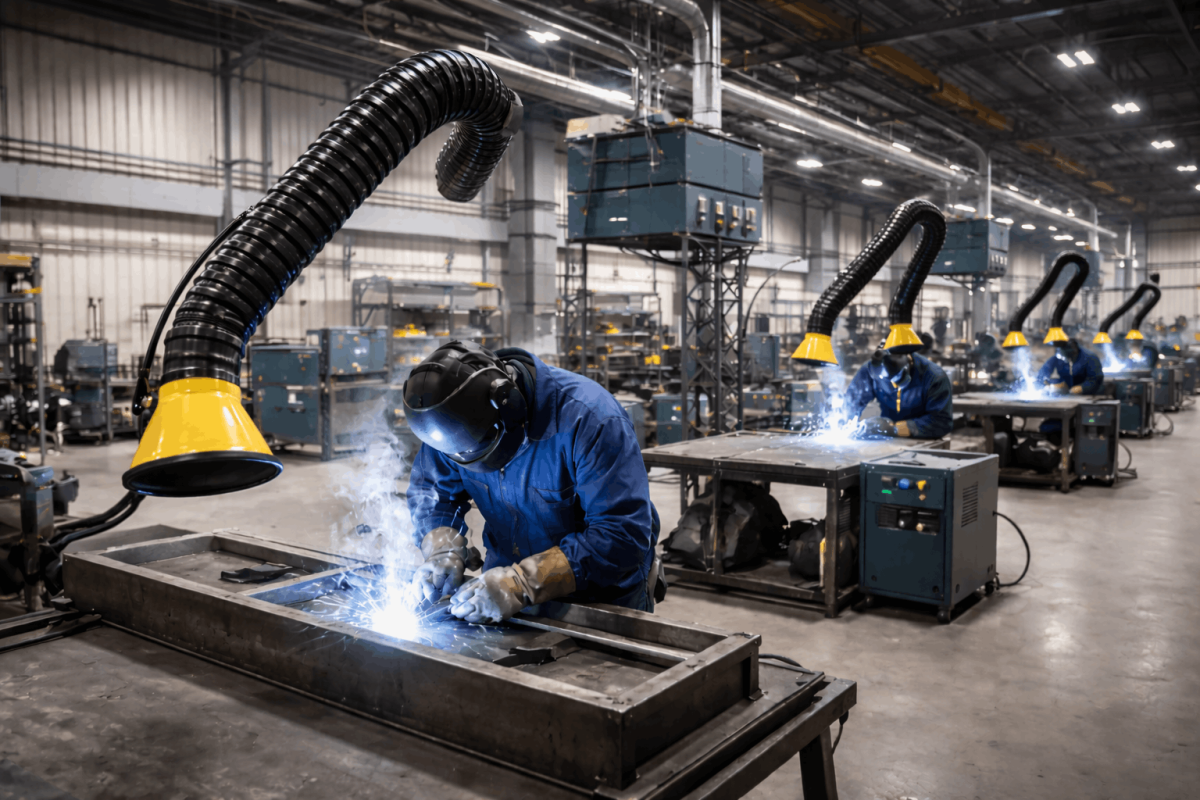
Two FumeKiller model FK3600VEM units equipped with twin flexible extractor arms to be used as welding fume extractors

Welding Fume Extraction for a Metal Fabrication and Assembly Unit

Creating Cleaner and Safer Work Environments in Welding Operations

Welding is an essential part of most manufacturing processes, but it produces fumes that can harm workers and reduce air quality. A metal fabrication and assembly unit faced this exact problem in their workshop. To protect their workforce and improve overall air quality, they partnered with Powertech Pollution Controls, a trusted welding fume extractor manufacturer in Bangalore, to design a customized fume extraction system.

The Challenge: Controlling Fumes from Multiple Welding Stations

The client operated eight welding workstations where simultaneous welding caused a visible haze and discomfort for workers. The challenge was to extract fumes effectively from all stations without occupying too much floor space or interrupting production.

Each workstation required strong, targeted suction to capture fumes directly at the source. At the same time, the system needed to be compact, energy-efficient, and compliant with CPCB air quality norms.

The Solution: FumeKiller® FK3600VEM with Twin Flexible Extractor Arms

Powertech supplied four units of the FumeKiller® model FK3600VEM, each equipped with twin flexible extractor arms. This setup allowed one welding fume extractor to serve two workstations efficiently.

Key Features of the Solution

  • Twin Suction Arms: Each arm could be positioned close to the welding point for maximum fume capture.
  • Electrostatic Filtration: The FumeKiller® used electrostatic technology to capture and neutralize welding fumes effectively without disposable filters.
  • Compact, Portable Design: The mobile units were easy to move between workstations as needed.
  • Energy-Efficient Operation: Optimized airflow ensured consistent suction using minimal power.

This setup provided uniform coverage across all eight welding stations and eliminated the need for multiple smaller extractors.

The Outcome: Cleaner Air and a Safer Workspace

After installation, the client reported a noticeable improvement in air quality throughout the shop floor. The visibility around welding areas improved, and workers experienced less irritation from smoke and particulates.

Results Achieved

  • Cleaner, clearer air across all welding stations
  • Improved worker comfort and safety
  • Easier maintenance due to washable electrostatic cells
  • Full compliance with workplace air quality standards

Q&A: Common Questions About Welding Fume Extraction

Q1: Why is a welding fume extractor important?
A welding fume extractor captures fumes directly at the source, preventing them from spreading and protecting workers from inhaling harmful particles and gases.

Q2: How many workstations can one extractor serve?
Models like the FumeKiller® FK3600VEM can serve two welding stations using twin flexible arms, depending on the process intensity and layout.

Q3: What are the maintenance requirements?
Electrostatic collectors require only periodic cleaning — no filter replacements — making them ideal for continuous industrial use.

Q4: Who manufactures reliable welding fume extractors in India?
Powertech Pollution Controls, a leading fume extractor manufacturer in India, designs and manufactures systems for welding, soldering, and mist extraction across industries.

Conclusion

This project highlights how a properly designed welding fume extraction system can transform workshop conditions. By deploying FumeKiller® FK3600VEM units with twin extractor arms, Powertech Pollution Controls helped a metal fabrication and assembly unit achieve cleaner air, safer work conditions, and CPCB compliance.As a leading welding fume extractor manufacturer in Bangalore, Powertech continues to deliver reliable, efficient, and customized air filtration solutions for industries across India.

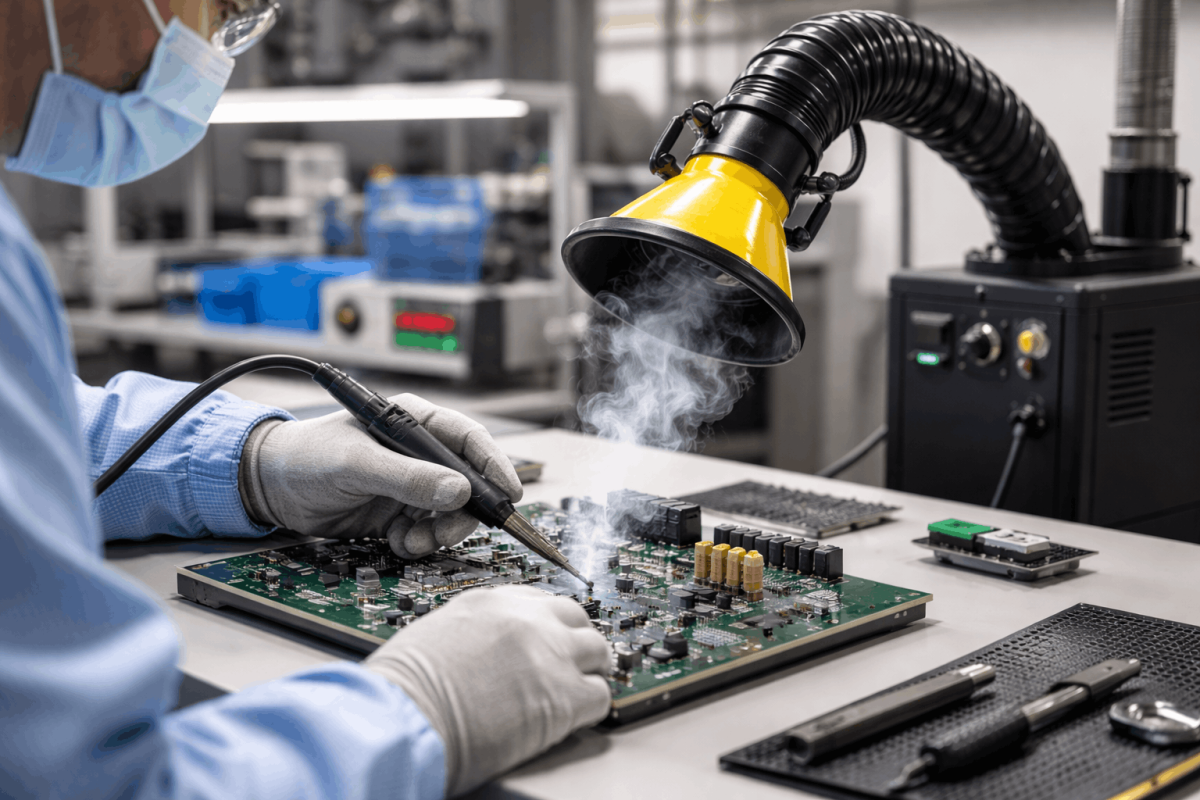
FumeKiller® model FK500IM being used as a soldering fume extractor

Soldering Fume Extraction for a Leading Power Infrastructure Manufacturer

Ensuring Clean Air and Compliance in High-Volume Soldering Operations

Soldering is one of the most common operations in electrical and power manufacturing setups, but it also generates fine fumes that can affect worker health and air quality. A leading power infrastructure manufacturer approached Powertech Pollution Controls, a trusted soldering fume extractor manufacturer in Bangalore, to design a solution that would improve worker safety and meet CPCB air quality compliance standards.

The Challenge: Managing Fumes from 60 Soldering Stations

The client had a large soldering line with 60 active soldering stations operating throughout the day. The challenge was to control the fumes efficiently across all stations without causing obstruction or requiring excessive maintenance.

General ventilation alone was not effective in removing flux fumes, and using individual extractors for each workstation would have been costly and space-consuming. The solution needed to be efficient, scalable, and compliant with industrial air quality standards.

The Solution: FumeKiller® FK500IM with Twin Flexible Extractor Arms

Powertech provided a total of 30 units of the FumeKiller® model FK500IM, each fitted with twin flexible suction arms. This setup allowed one fume extractor to serve two soldering stations effectively.

Key Features of the Solution

  • Twin Flexible Arms: Enabled precise positioning near soldering points for maximum fume capture.
  • Electrostatic Filtration: Captured fine flux fumes and particles without the need for frequent filter replacement.
  • Compact and Portable Design: Allowed easy placement near workbenches without taking up much space.
  • Energy-Efficient Operation: Maintained steady airflow and suction using low power consumption.

The Outcome: Cleaner Air and Better Compliance

After installation, the client reported a noticeable improvement in air quality and visibility across the soldering area. Workers experienced greater comfort and fewer complaints of irritation or odor. The facility also achieved CPCB compliance for indoor air quality.

Results Achieved

  • Cleaner and healthier workspace
  • Improved worker comfort and productivity
  • Full compliance with CPCB air quality standards
  • Reduced maintenance and operating costs

Q&A: Common Questions About Soldering Fume Extraction

Q1: Why is a soldering fume extractor important?
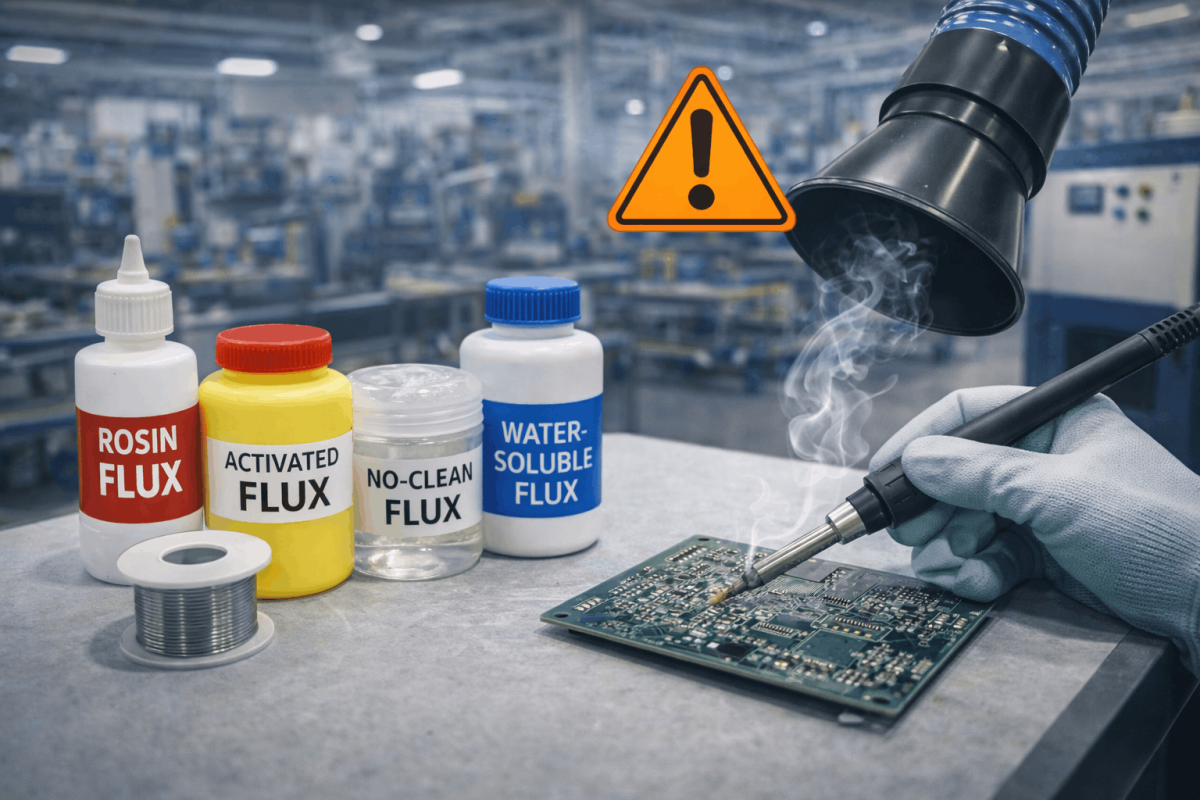
Soldering releases fumes that contain flux particles and volatile compounds. A soldering fume extractor removes these at the source, protecting workers and maintaining a clean work environment.

Q2: Can one unit handle multiple soldering stations?
Yes. As seen in this project, a FumeKiller® FK500IM with twin arms can efficiently extract fumes from two workstations simultaneously, reducing space and cost.

Q3: What maintenance does the FumeKiller® require?
Electrostatic cells are washable and reusable, making the system low-maintenance and cost-effective over time.

Q4: Who manufactures reliable soldering fume extractors in India?
Powertech Pollution Controls, a fume extractor manufacturer in Bangalore, designs and manufactures high-performance fume extraction systems including welding fume extractors, soldering fume extractors, mist collectors, and dust collectors for industries across India.

Conclusion

This project demonstrates how a well-designed soldering fume extraction system can deliver clean air, worker comfort, and compliance in high-density soldering setups. By deploying 30 FumeKiller® FK500IM units with twin extractor arms, Powertech Pollution Controls helped a major power infrastructure manufacturer maintain a cleaner, safer, and more productive workplace.With decades of expertise as a soldering fume extractor manufacturer in Bangalore, Powertech continues to deliver customized air filtration solutions that meet the needs of modern manufacturing facilities across India.

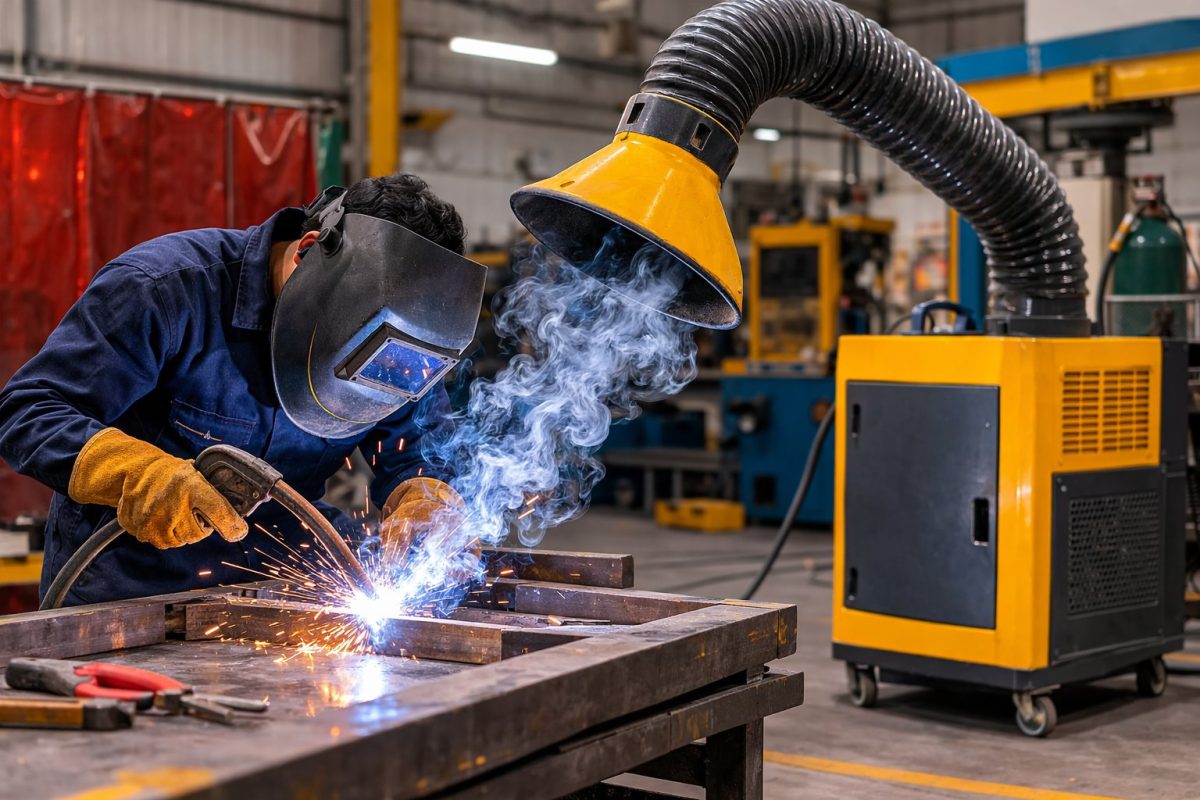
Worker welding metal on a workbench with a fume extraction system operating nearby and a digital display showing KPIs like capture efficiency, airflow, and filter performance.

Essential KPIs to Measure Fume Extraction Efficiency

Why Measuring Fume Extraction Efficiency Matters

Installing a fume extraction system is only the first step in ensuring clean air in an industrial workspace. To maintain effective air quality control, it’s important to track specific performance indicators that show how well the system is working. These Key Performance Indicators (KPIs) help assess filtration efficiency, system reliability, and long-term cost-effectiveness.

Whether you’re using a welding fume extractor, soldering fume extractor, or mist collector, understanding these KPIs helps you ensure your system is operating at its best.

1. Capture Efficiency

What It Measures:

The percentage of fumes or contaminants captured at the source before they spread into the workspace.

Why It Matters:

A high capture efficiency means the fume extractor is positioned correctly and has adequate suction power. Poor capture rates often point to blocked filters, wrong hood placement, or undersized systems.

How to Improve It:

  • Position suction arms closer to the emission point.
  • Check for leaks or duct obstructions.
  • Use properly rated airflow capacity for each process.

2. Airflow Velocity and Volume

What It Measures:

The speed and amount of air moving through the fume extraction system, usually measured in cubic meters per hour (CMH).

Why It Matters:

Stable airflow ensures consistent fume capture and filtration. Low airflow may indicate clogged filters, damaged fans, or incorrect system calibration.

How to Improve It:

  • Perform regular airflow checks with an anemometer.
  • Clean electrostatic plates or replace filters periodically.

3. Filtration Efficiency

What It Measures:

The system’s ability to remove fine particles, fumes, and mist from the air.

Why It Matters:

Filtration efficiency reflects how well your fume extractor cleans the air before it’s released back into the workspace. A lower reading suggests worn-out filters or damaged collection cells.

How to Improve It:

  • Use high-quality filters or electrostatic units like Powertech’s FumeKiller.
  • Clean or replace filter media as per maintenance schedules.

4. Energy Consumption

What It Measures:

The amount of electricity consumed by the fume extractor during operation.

Why It Matters:

Efficient systems maintain high suction and filtration without drawing excess power. Energy-efficient units, such as those designed by Powertech Pollution Controls, reduce long-term operational costs.

How to Improve It:

  • Choose systems with optimized motor and fan design.
  • Schedule regular cleaning to maintain steady airflow.

5. Maintenance Frequency and Downtime

What It Measures:

The number of hours spent on cleaning, servicing, or downtime due to system failure.

Why It Matters:

Frequent breakdowns or long maintenance periods reduce productivity. Tracking downtime helps identify whether filters, fans, or ducts are underperforming.

How to Improve It:

Q&A: Common Questions About Measuring Fume Extraction Efficiency

Q1: How often should these KPIs be measured?
At least once every quarter, or more frequently in heavy-duty operations. Regular monitoring helps detect efficiency drops early.

Q2: Can data monitoring be automated?
Yes. Modern systems can include airflow and pressure sensors that send real-time data for analysis and preventive maintenance.

Q3: Which KPIs are most critical for compliance?
Capture efficiency and filtration performance are key for CPCB and occupational safety compliance.

Q4: Where can I find a reliable manufacturer to help monitor system efficiency?
Powertech Pollution Controls, a trusted fume extractor manufacturer in India, offers customized welding fume extractors, soldering fume extractors, and mist collectors with high-efficiency filtration and low maintenance needs.

Conclusion

Measuring and tracking KPIs ensures that you have installed an efficient fume extractor that performs at its best, protecting workers, machines, and the environment. By focusing on capture efficiency, airflow, filtration performance, and energy use, you can maintain compliance and reduce costs. Partner with Powertech Pollution Controls for custom designed air pollution control solutions.

Side-by-side comparison of a generic fume extractor and a custom Powertech FumeKiller system, showing how the custom extractor with flexible arms captures fumes more effectively during welding.

What Makes a Custom Fume Extractor More Effective Than Generic Ones?

Why Does Every Industry Need the Right Fume Extraction System?

Air pollution in industrial environments is a major concern for both safety and productivity. Processes such as welding, soldering, grinding, and machining release harmful fumes, mist, and fine particles. A fume extractor helps capture these pollutants at the source before they spread through the workspace. However, not all fume extractors are designed the same way. Many facilities rely on generic models that may not deliver the performance they expect. This is where a custom-built fume extractor makes the difference.

What Is a Custom Fume Extractor?

A custom fume extractor is designed and built to match the exact needs of a specific application or facility. Unlike off-the-shelf models, it considers factors such as the type of pollutants, airflow requirements, machine layout, and available space. Powertech Pollution Controls, a leading fume extractor manufacturer in Bangalore, specializes in creating tailored solutions that improve both performance and efficiency.

Why Are Custom Fume Extractors More Effective?

1. Designed for Specific Pollutants

Different processes produce different types of pollutants. A welding fume extractor is a system designed to handle heavy smoke and metal particles, while a soldering fume extractor focuses on capturing fine flux fumes. A custom extractor ensures the right filter type, suction capacity, and filtration method are used for maximum efficiency.

2. Optimized Airflow and Placement

Generic units often struggle to maintain consistent suction across large or complex layouts. A custom-designed system maps out airflow paths and positions suction hoods close to the source, ensuring uniform extraction and cleaner air throughout the facility.

3. Integration with Existing Machinery

Custom extractors can be designed to integrate directly with CNC machines, welding booths, or assembly lines. This makes them easier to install and operate, while also improving the overall workflow.

4. Scalable and Energy-Efficient

Tailored systems are sized correctly for the volume of air to be treated. They maintain effective suction without wasting energy, reducing both operational costs and environmental impact — a key factor for sustainable manufacturing.

Common Questions About Custom Fume Extractors

Q1: Are custom fume extractors more expensive than standard ones?

A: While the initial cost may be higher, a custom system saves money in the long run by reducing maintenance, downtime, and energy consumption.

Q2: Who can build a reliable custom fume extraction system in India?

A: Powertech Pollution Controls, a trusted fume extractor manufacturer in India, designs systems for a wide range of industries, including automotive, heavy engineering, and electronics manufacturing.

Q3: Can custom extractors be used for dust or mist control?

A: Yes. Powertech also designs and manufactures dust collectors as well as mist collectors for applications like grinding, machining, and coolant mist control.

How Custom Fume Extractors Improve Workplace Safety

Cleaner air directly improves worker health and productivity. Custom systems reduce exposure to harmful fumes, prevent slippery mist buildup, and extend the life of expensive equipment. They also help facilities comply with CPCB and other environmental regulations.

Conclusion

A custom fume extractor delivers higher performance, better efficiency, and long-term reliability compared to generic models. With expertise in welding fume extractors, soldering fume extractors, and mist collectors, Powertech Pollution Controls designs systems that meet the unique challenges of modern manufacturing. Whether it’s a small workshop or a large production facility, a custom-built solution ensures cleaner air and safer operations.