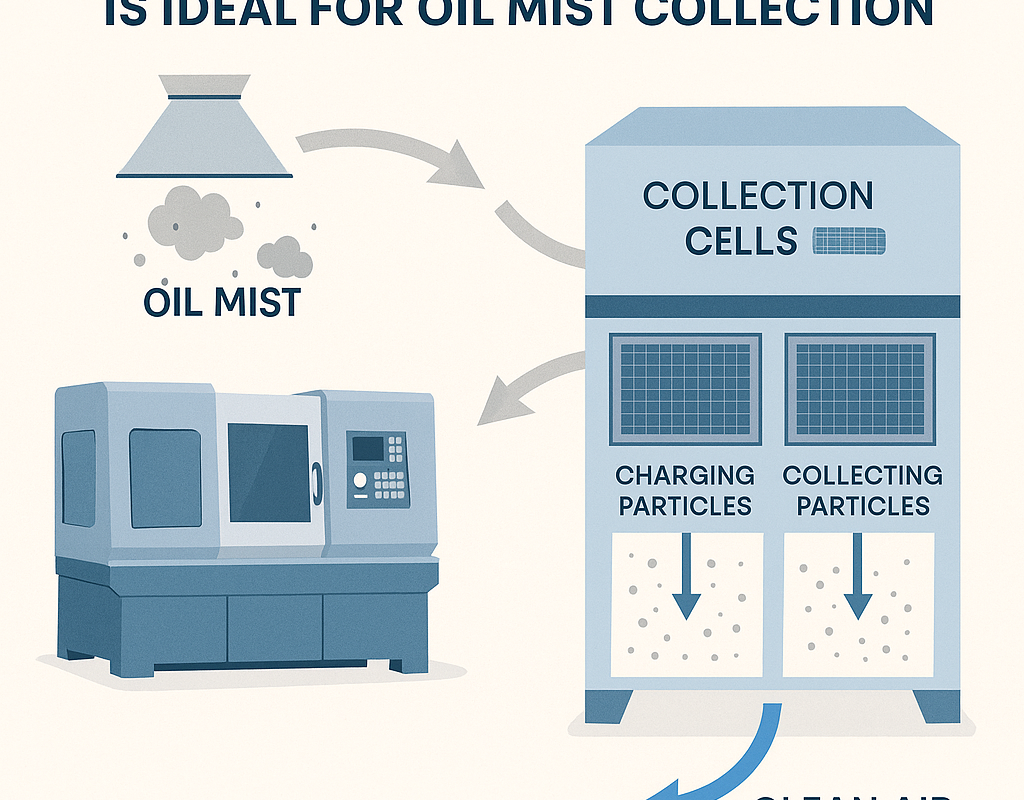
Diagram showing electrostatic precipitation for oil mist collection, with oil mist generated by a CNC machine being charged, collected in cells, and released as clean air.

Why Electrostatic Precipitation is Ideal for Oil Mist Collection

Understanding Oil Mist in Industrial Processes

Oil mist is a common by-product in industries that use CNC machining, grinding, or cutting with coolants. When oil-based or water-based coolants are sprayed at high speeds, fine mist particles are released into the air. If left uncontrolled, these particles reduce indoor air quality, create slip hazards, and damage machinery. A reliable oil mist collection system is necessary to keep workshops safe and efficient.

How Electrostatic Precipitation Works

Electrostatic precipitation is a proven technology for capturing fine particles such as oil mist, smoke, and fumes. In this method, contaminated air is drawn into a unit where the particles are given an electric charge. These charged particles are then attracted to oppositely charged plates and collected. Clean air is released back into the workplace, keeping the environment safe.

Why an Electrostatic Fume Extractor can excel in Oil Mist Collection

  • High Efficiency: Captures particles as small as 0.01 microns, making it more effective than traditional filters.
  • Reusable Collection Cells: Instead of disposable filters, electrostatic units use washable plates, reducing waste and running costs.
  • Consistent Airflow: Unlike mechanical filters that clog, electrostatic systems maintain steady suction and airflow.
  • Energy Savings: Low pressure drop design reduces power consumption, improving long-term efficiency.

Applications Beyond Oil Mist

Electrostatic fume extractors are not limited to mist control. They are widely used as:

This versatility makes electrostatic systems a preferred choice for workshops with multiple pollutant sources.

Why Work with a Trusted Manufacturer

Choosing the right fume extractor is about more than just technology — it also depends on the expertise of the supplier. Powertech Pollution Controls, a leading fume extractor manufacturer in Bangalore, has decades of experience in designing electrostatic fume extractors for oil mist, welding fumes, soldering fumes, and more. With a range of models like the FumeKiller, Powertech provides reliable solutions that meet CPCB compliance and workplace safety standards.

Conclusion

Electrostatic precipitation is the most effective and sustainable method for oil mist collection. Its ability to capture fine particles, reduce waste, and save energy makes it ideal for industries using CNC machines, grinding, or other coolant-based processes. With trusted partners like Powertech Pollution Controls — a specialist in welding fume extractors, soldering fume extractors, and industrial air filtration systems — companies can achieve cleaner air, safer workplaces, and better compliance with environmental standards.
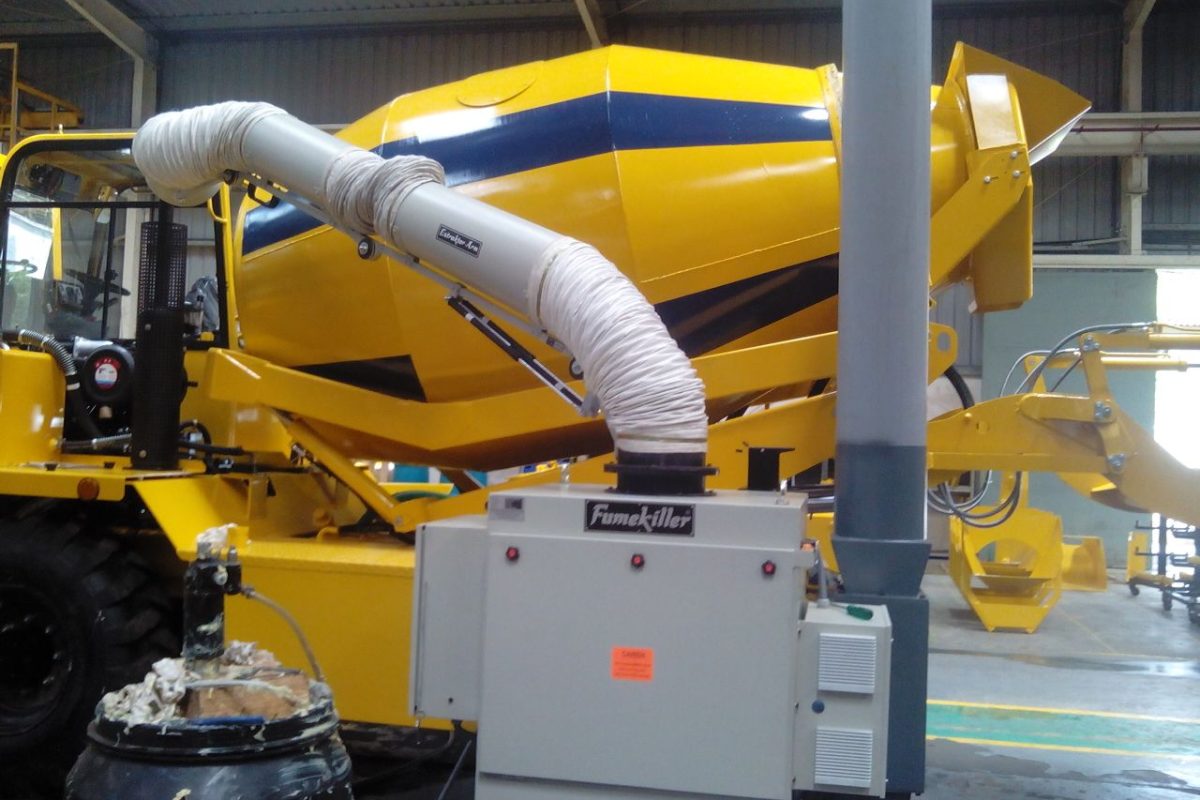
Portable Welding Fume Extractor in Action

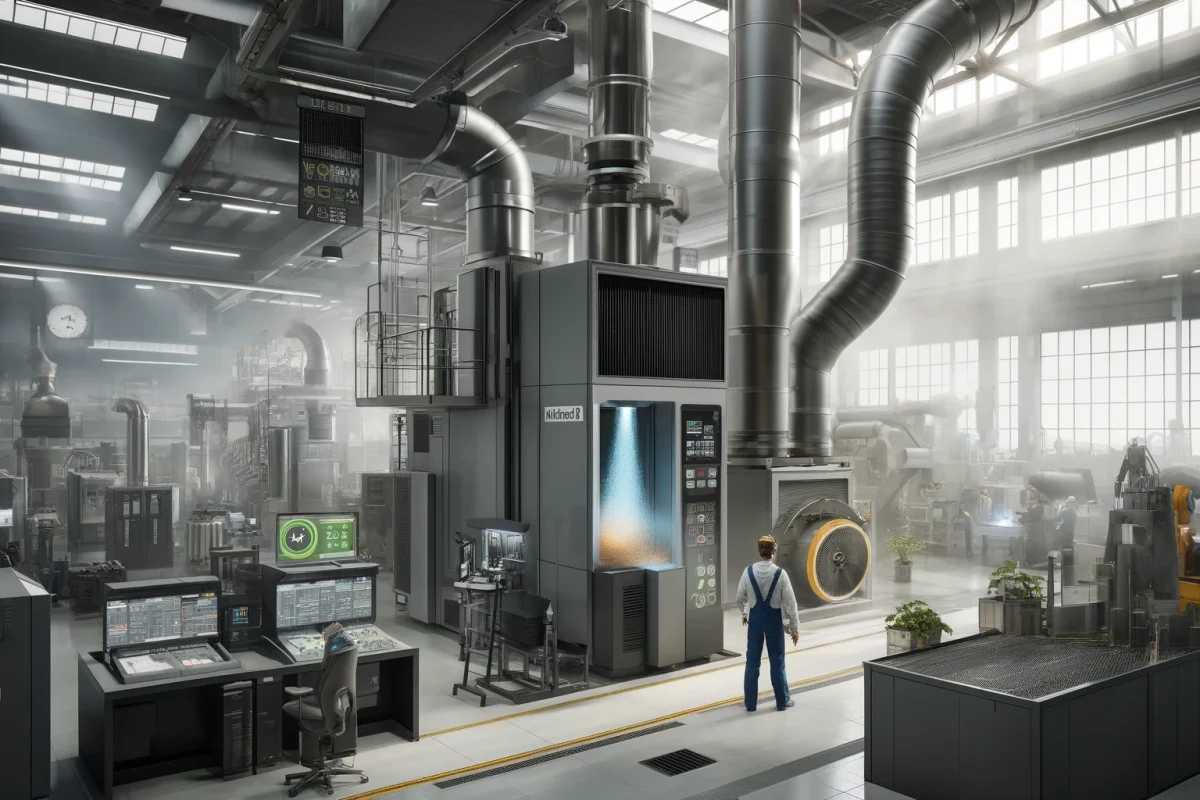
Air Quality Improvement in Automotive Workshops with Fume Extractors

Why Air Quality Matters in Automotive Workshops

Automotive workshops handle welding, soldering, painting, and engine testing on a daily basis. These processes release fumes, smoke, dust, and oil mist that pollute the air. Poor air quality not only affects worker health but also reduces productivity and can damage sensitive tools. Using a proper fume extraction system is the most effective way to improve air quality in these workshops.

Sources of Air Pollution in Workshops

Workshops generate different types of airborne pollutants depending on the activity:

  • Welding and Soldering release metal fumes and smoke.
  • Grinding and Cutting produce fine dust that spreads across the workspace.
  • Painting and Spraying release volatile organic compounds (VOCs).
  • Engine Testing generates exhaust gases that are harmful when concentrated indoors.

Without proper extraction, these contaminants linger in the workshop and increase the risks for both workers and customers.

How a Fume Extractor Can Help

Fume extractors are designed to capture and filter out pollutants at the source before they spread into the air. In automotive workshops, they are used to handle:

Welding Fumes

A fixed welding fume extractor or a portable fume extractor with flexible arms can be placed near welding stations to capture fumes directly at the source.

Soldering Fumes

A soldering fume extractor can be used with the suction hood(s) placed 6 – 8 inches from the fume generation point. These fume extractors are much smaller as compared to welding fume extractors.

Dust from Grinding

A dust collector can remove fine particles created during grinding and polishing work, keeping surfaces and equipment cleaner.

Oil Mist and Smoke

Electrostatic mist collectors capture oil mist from machining and smoke from certain repair processes.

Exhaust Gases

Specialized fume extraction systems capture and vent engine exhaust gases, preventing buildup inside enclosed workshops.

Benefits of Cleaner Air in Automotive Workshops

  • Health Protection: Workers are protected from respiratory issues, skin irritation, and long-term health problems.
  • Improved Safety: Cleaner air reduces the chance of accidents caused by slippery floors or poor visibility.
  • Longer Equipment Life: Dust-free environments prevent buildup on sensitive tools and machines.
  • Regulatory Compliance: Meeting workplace air quality standards avoids fines and improves professional reputation.
  • Higher Productivity: Healthy workers and cleaner environments improve efficiency and reduce downtime.

Conclusion

Air quality is a critical factor in the performance and safety of automotive workshops. Fume extractors provide an effective way to control welding fumes, grinding dust, oil mist, and exhaust gases. By investing in proper fume extraction systems, workshops can create safer workplaces, extend the life of their equipment, and ensure compliance with environmental standards.
How to Ensure CPCB Compliance with Your Air Filtration Systems

Understanding CPCB Guidelines

The Central Pollution Control Board (CPCB) sets air quality and emission standards for industries in India. These rules apply to facilities where processes generate dust, fumes, mist, smoke, or other airborne pollutants. Meeting CPCB norms is not only a legal requirement but also an important step toward protecting workers, equipment, and the environment.

Why CPCB Compliance Matters

Compliance with CPCB standards ensures that your facility operates within permitted emission limits. Failure to meet these limits can lead to fines, shutdown orders, or legal action. Beyond regulation, following these standards helps improve air quality, creates a healthier workplace, and builds trust with clients and stakeholders.

Steps to Ensure Compliance with Your Air Pollution Control Systems

1. Install the Right Air Filtration System

Choose a system that matches your process requirements. For example:

Matching the system to the type of pollutant ensures effective filtration and helps meet CPCB limits.

2. Maintain Proper Airflow and Suction

CPCB compliance depends on consistent performance. Check airflow levels regularly to confirm that suction is strong enough to capture pollutants at the source. Blocked filters or leaks in ducts can reduce efficiency and cause emission levels to rise.

3. Use Approved Filters and Media

Filters play a central role in meeting emission standards. Always use filters rated for your application, such as HEPA filters for fine dust or electrostatic filters for mist and smoke. Avoid low-quality alternatives, as they may fail to meet CPCB standards.

4. Keep Records of Maintenance and Inspections

CPCB officials may request proof of maintenance and system performance. Maintain a log of filter replacements, airflow checks, and system servicing. This record shows compliance and helps identify issues before they become serious.

5. Monitor Emissions Regularly

Periodic monitoring of emissions ensures your system continues to perform within the prescribed limits. Use portable monitoring equipment or work with certified agencies to measure particulate levels in the air.

6. Train Workers on Proper Usage

Even the best air filtration system cannot perform well if not used correctly. Train operators to position suction hoods close to the source, avoid tampering with settings, and report any drop in performance.

Benefits of CPCB Compliance

  • Avoid legal action, penalties, and plant shutdowns
  • Create a safer workplace for employees
  • Improve machine performance by reducing dust and mist buildup
  • Build a reputation as a responsible manufacturer
  • Contribute to sustainability and environmental protection

Conclusion

CPCB compliance is more than just a regulatory requirement. It is a way to ensure clean air, safer working conditions, and long-term operational efficiency. By choosing the right air filtration system, maintaining it regularly, monitoring emissions, and training staff, you can meet CPCB standards with confidence and keep your facility running without disruption.

Common Sources of Industrial Air Pollution and How to Control Them

Understanding the Root of Industrial Air Pollution

Air pollution from industrial activities affects not just the environment, but also the health of workers and the efficiency of operations. Many factories and manufacturing plants release harmful particles and gases into the air through day-to-day processes. Identifying the main sources of this pollution is the first step in controlling it.

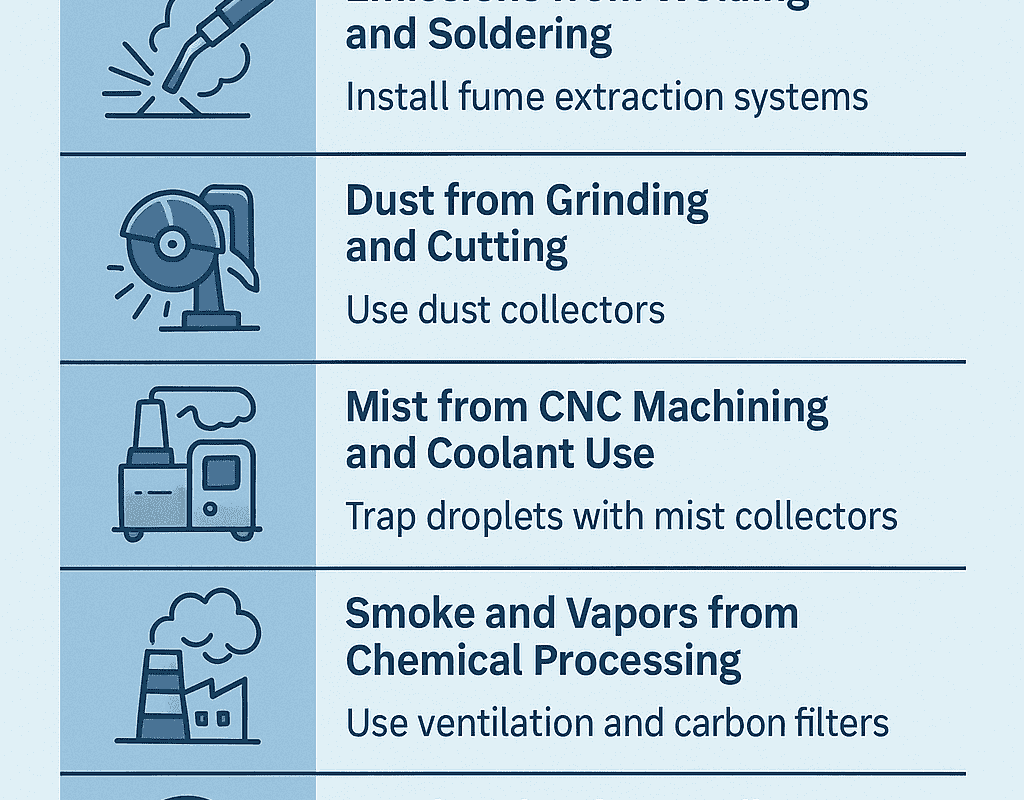
1. Emissions from Welding and Soldering

Welding and soldering processes release fumes that contain metal particles and gases. These fumes often include substances like lead, cadmium, and ozone, which are dangerous when inhaled over time.

How to Control Welding Fumes and Soldering Fumes

Installing a fume extractor near the source is the most effective solution. A system like a welding fume extractor or soldering fume extractor will extract and filter the contaminants within the fumes and release clean air back into the workspace.

2. Dust from Grinding and Cutting

Processes like grinding, sanding, and cutting generate a large amount of dust. These fine particles can float in the air and settle on machines, products, and inside the lungs of workers.

How to Control Dust

Using a dust collector near the machines prevents the spread of fine particles. Regular cleaning and maintenance of ducts and filters keep the system efficient. Depending on the volume and type of dust involved, a self-cleaning dust collector or reverse-pulsed jet dust collector may also be used.

3. Mist from CNC Machining and Coolant Use

CNC machines use oil-based or water-based coolants during operations. These coolants often become airborne as fine mist and mix with other particles in the air.

How to Control Mist

Mist collectors are designed to trap and remove these fine droplets. Depending on the volume and type of mist, you can use a centrifugal mist collector or an electrostatic mist collector for best results.

4. Smoke and Vapors from Chemical Processing

Industries that handle chemicals, paints, or solvents often release vapors that are not visible but are harmful. These volatile organic compounds (VOCs) can spread quickly in enclosed spaces.

How to Control Smoke and VOCs

Proper ventilation systems and activated carbon filters can capture and neutralize these vapors. Enclosing chemical processes and using local exhaust systems further improves safety.

5. Combustion from Boilers and Furnaces

Factories that rely on combustion for heat or energy often release smoke, carbon monoxide, and other gases. These emissions can be harmful if not managed properly.

How to Control IBoiler and Furnace Emissions

Installing emission control systems such as scrubbers, filters, or catalytic converters reduces the amount of harmful gases released into the air. Routine monitoring is also essential to stay within safety limits.

6. Inadequate General Ventilation

Even with local systems in place, poor overall ventilation can allow pollutants to remain in the air longer. Stagnant air lowers the effectiveness of all pollution control systems.

How to Control Ventilation

Make sure the workspace has a balanced flow of fresh and filtered air. Combine general ventilation with targeted exhaust systems to cover all areas of the facility.

Conclusion

Industrial air pollution can come from multiple sources, but each one can be managed with the right equipment and planning. Whether it’s fumes from welding, dust from grinding, or mist from machining, fume extraction systems and air filtration units provide effective solutions. A clean air strategy protects workers, meets safety regulations, and improves overall productivity. Investing in proper air pollution control is not just a legal need — it’s a smart operational move.

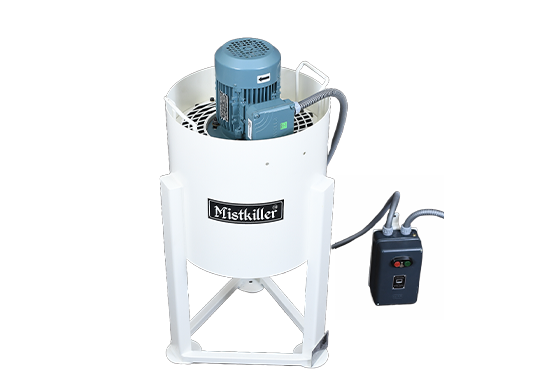
Mist-collector

Importance of Air Pollution Control in CNC Machining

Industries which are in the manufacturing sector, including automotive, aerospace, tooling, heavy and light engineering, typically make use of CNC machining for various processes. This is primarily because these systems allow for precise designs implemented accurately and consistently for multiple parts and tools. These systems, however, do have a downside – they generate excessive amounts of heat during the machining processes.

The application and drawbacks of coolants:

To counter the generated heat, either water-based or oil-based coolants are used in the machining procedures. This subsequently leads to generation of oil or coolant mist that can reduce the air quality within the shopfloor. Additionally the mist particles may settle into the small gaps and crevices in the machines and can cause complete system failures if left unchecked. The poor air quality can also lead to health issues among the workers within the shopfloor.

Why Air Pollution Control is Essential

Through the use of a proper air pollution control system, the workspace can be kept clean and safe. Some of the benefits include:

  1. Protect Health of Workers: By clearing the air of pollutants, the workers are protected from contaminants and reduce health risks.
  2. Keep Machines in Good Condition: As captured mist particles can no longer settle within the gaps of the machines, the equipment stays clean and runs better for longer.
  3. Meet Environmental Regulations: Cleaner air means adhering to environmental rules.
  4. Economical Benefits: The captured coolant mist can be recovered from the mist collector and then reused, allowing for long term economical benefits.

The Solution: Mist Collectors

Based on the type of coolant being used, different types of mist collectors may be used to control the generated mist. Water based coolant mist can be controlled using a centrifugal mist collector. Alternatively, oil based coolant mist can be controlled using an electrostatic oil mist collector.

These mist collectors make use of the concept of mist evacuation where the entire volume of air within the enclosed CNC machines are evacuated within a short span of time, usually 5 – 10 seconds. This ensures that by the time the operator opens the doors of the machine, all the air is evacuated and no mist escapes into the shopfloor.
The process of CNC machining can lead to generation of oil based or water based coolant mist. These pollutants can be controlled using a mist collector. For any requirements to do with mist extraction, reach out to us today.